Nutrition • Longevity Simplified
The Longevity Nutrition Blueprint
The “big picture” nutrition guide. Food quality, protein, fibre, gut health, blood sugar, fats, and meal timing — organised into a simple system you can actually stick to.
Use this page as your pillar: it explains the core principles, then routes you to the right cluster posts depending on your bottleneck. If you prefer a directory view, go back to the Nutrition Hub.
Table of Contents
- 1) Introduction: what longevity nutrition actually is
- 2) The 5 rules that cover 80% of results
- 3) The Longevity Plate (simple template)
- 4) Protein (muscle protection + appetite control)
- 5) Fibre + plant diversity (gut + metabolism)
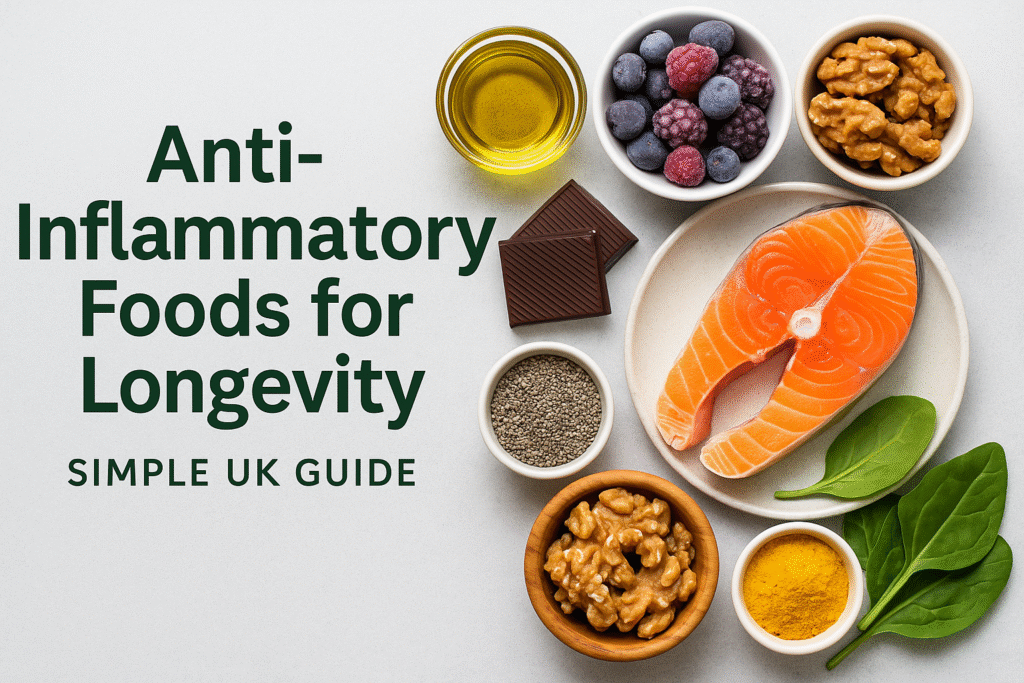
- 6) Fats (oils, omega-3, inflammation)
- 7) Carbs + blood sugar (timing + context)
- 8) Meal timing (chrononutrition + flexibility)
- 9) Hydration + minerals (salt + electrolytes)
- 10) Roadmap: choose your cluster (best next reads)
- 11) FAQ
- 12) References
- 13) Disclaimer
1) Introduction: what longevity nutrition actually is
Longevity nutrition isn’t a single diet. It’s a repeatable pattern that supports the systems that keep you functional as you age: blood sugar control, inflammation, gut health, muscle maintenance, and metabolic flexibility.
The biggest mistake I see (and have made myself) is trying to “solve” nutrition with complexity — tracking everything, changing plans weekly, or chasing perfect macros. In practice, the people who do best build defaults: a few meals and habits they can repeat without friction. That’s the blueprint below.
If you want the deeper “why” behind ageing biology, pair this with: Why Longevity Matters and Hallmarks of Ageing.
2) The 5 rules that cover 80% of results
- Eat mostly whole foods. Reduce ultra-processed exposure. (Start here)
- Protein at every main meal. Protect muscle and appetite control. (Go deeper)
- Fibre daily. It’s the quiet lever for gut + blood sugar. (Go deeper)
- Choose fats on purpose. Oils + omega-3 matter for long-term health. (Start here)
- Timing matters — but only after basics. Get rhythm before optimisation. (Go deeper)
If you want the simplest sustainable frame, read: The 80/20 Longevity Eating Rule.
3) The Longevity Plate (simple template)
This is the default template I come back to when I want “healthy” without overthinking:
- ½ plate: vegetables (or veg + fruit)
- ¼ plate: protein (animal or plant)
- ¼ plate: whole-food carbs (optional, scaled to activity + goals)
- Added fats: olive oil, nuts, seeds, avocado (small but consistent)
Want a practical version you can copy? Use: The Anti-Inflammatory Plate.
4) Protein: muscle protection + appetite control
Muscle is one of the strongest predictors of healthy ageing. Protein supports repair, recovery, and helps meals “hold” you so you snack less. The key is consistency more than perfection.
- Default: include a clear protein source at breakfast, lunch, and dinner.
- Practical target: aim for a “palm-sized” portion each meal (adjust to your size and training).
- If you want to optimise: spread intake across the day rather than saving it all for dinner.
Deep dive: Protein Timing vs Total Protein.
5) Fibre + plant diversity: the gut-metabolism bridge
Fibre is a multi-tool: it supports gut bacteria, improves satiety, and helps blunt blood sugar spikes. Plant diversity adds polyphenols and feeds different microbes over time.
- Simple daily move: add one fibre “booster” (beans/lentils, oats, berries, veg, seeds).
- Weekly move: increase plant diversity gradually (different veg, herbs, legumes, nuts).
Read next: Fibre for Longevity and Polyphenols Explained. For the full gut cluster, start here: Gut Health and the Microbiome.
6) Fats: oils, omega-3, and inflammation
Fat isn’t the enemy — the type matters. The simplest longevity default is: use a high-quality olive oil baseline and ensure you get enough omega-3 over time.
- Start here: Best Oils for Longevity
- Then: Omega-3 for Longevity
7) Carbs + blood sugar: timing and context
Carbs can be helpful or harmful depending on the source, portion, sleep, stress, and activity. The longevity goal isn’t “low carb” — it’s stable energy and stable blood sugar.
- Start: Blood Sugar and Longevity
- Then: Blood Sugar Hacks
- Simple habit: Walking After Meals
- Optimise: Carb Timing for Longevity
8) Meal timing: chrononutrition + flexibility
Meal timing can noticeably change appetite, sleep, and glucose responses. The mistake is trying to optimise timing before your meal quality is stable. Start with a consistent rhythm, then explore tools like time-restricted eating or fasting if they suit you.
- Chrononutrition: Meal Timing for Longevity
- Fasting, Autophagy and Metabolic Flexibility
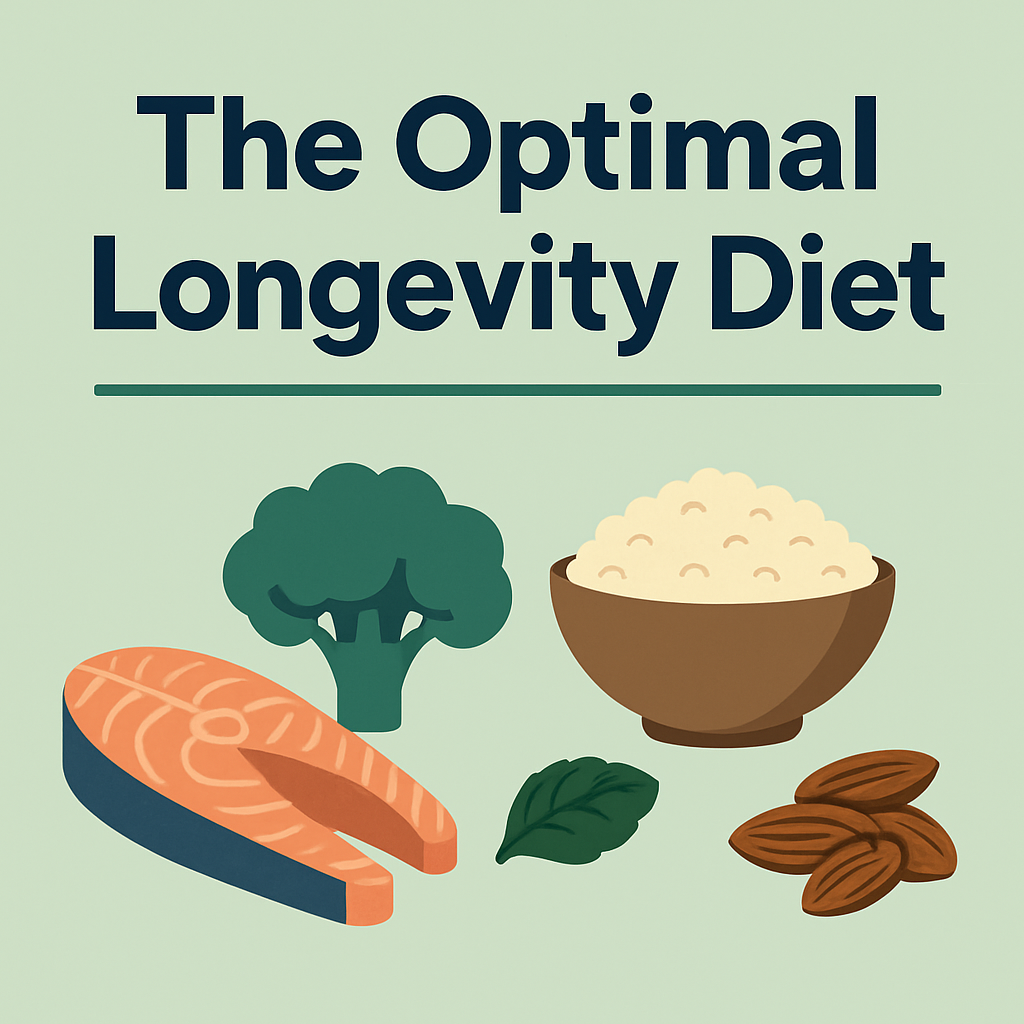
- The Optimal Longevity Diet
9) Hydration + minerals: salt and electrolytes (context matters)
Hydration is not just “drink more water”. Sodium, potassium, activity levels, and sweat losses change what your body needs. This cluster keeps it practical and context-driven.
- Hydration for Longevity
- Electrolytes for Energy & Recovery
- Salt & Longevity
- Iron & Ferritin for Longevity
10) Roadmap: choose your cluster (best next reads)
If you’re not sure where to go next, choose one cluster and work through it in order. This is how the Nutrition Hub is structured too — but this pillar page gives you the “why” + the path.
Blood Sugar & Metabolic Health
Best if you struggle with cravings, crashes, or weight regain.
Inflammation & Food Quality
Best if you want a calmer baseline and fewer “inflammaging” inputs.
Gut Health & Microbiome
Best if digestion, immunity, or inflammation feels like your bottleneck.
Meal Timing & Flexibility
Best if appetite rhythm, sleep, or energy swings drive your eating.
Hydration, Electrolytes & Minerals
Best if you’re low energy, training more, or unsure about salt/electrolytes.
Simple “doable” eating patterns
Best if you want a sustainable plan without macro obsession.
Prefer the directory view? Visit the Nutrition Hub.
11) FAQ
Do I need to follow this perfectly for it to work?
No — patterns win. If you improve your baseline (whole foods, protein, fibre, fewer ultra-processed snacks), results compound over time. Use this blueprint as a guide, not a rulebook.
Where should I start if I’m overwhelmed?
Pick one bottleneck and one habit: a protein anchor at breakfast and a 10-minute walk after your largest meal. Then follow the roadmap section.
How does fasting fit in?
Fasting is a timing tool. It works best after meal quality is stable. Start here: Fasting, Autophagy and Metabolic Flexibility.
Is this compatible with plant-based eating?
Yes — just pay attention to protein and key nutrients. Start here: Protein Timing vs Total Protein and Omega-3.
12) References
Written by Longevity Simplified — turning complex health science into practical daily habits.
Next step: Go back to the Nutrition Hub and choose the cluster that matches your bottleneck.
Affiliate disclaimer: Some guides on this site contain affiliate links. If you click and purchase, we may earn a small commission at no extra cost to you. We only recommend products we genuinely believe offer good quality and value.
Medical disclaimer: This article is for information only and is not medical advice. Always speak with your GP or a registered nutrition professional before making major changes to your diet, especially if you have a medical condition or take medication.

Simon is the creator of Longevity Simplified, where he breaks down complex science into simple, practical habits anyone can follow. He focuses on evidence-based approaches to movement, sleep, stress and nutrition to help people improve their healthspan.