Supplements • UK Guide • Foundations
Best Supplements for Longevity (Simple UK Guide)
A science-based breakdown of the supplements that genuinely support healthy ageing — clear, practical, and UK-focused.
Disclaimer: This guide is educational only and does not replace medical advice. Speak with your GP or pharmacist if you are on medication, pregnant/breastfeeding, or managing a medical condition.
Longevity starts with daily habits — sleep, movement, nutrition and stress management. Supplements can’t replace these foundations, but the right ones can meaningfully support energy, brain health, muscles, immunity and healthy ageing.
This UK-focused guide breaks down the supplements with the strongest evidence behind them: how they work, who they help, how to take them, and when they’re worth considering. It’s simple, practical, and written for readers who want clarity rather than hype.
If you’re new to longevity, start with Why longevity matters, then explore how ageing works at the cellular level in The nine hallmarks of ageing. Understanding these foundations makes it clearer why certain supplements play a meaningful role.
How I Think About Supplements in My Own Routine
When I first got interested in longevity, I did what most people do – I tried to build the “perfect” supplement stack. It quickly turned into a long list of capsules that cost a lot and didn’t obviously change how I felt.
Over time, tracking my sleep, energy and training made one thing very clear: the basics mattered far more than the fancy stuff. Getting enough protein, walking every day, lifting a few times a week and protecting my sleep made the biggest difference. Supplements only started to feel useful once those pieces were in place.
That’s why this guide focuses on a small core of well-supported options, plus a few “nice to have” extras. The goal isn’t to take everything – it’s to choose a handful that genuinely fill gaps for you.
Quick Start: The Longevity Supplements Framework
To keep this simple, I group supplements into four “buckets”. Start with essentials, then add only what matches your goal.
- Essentials & common gaps: Vitamin D, Omega-3, Magnesium
- Mitochondria & energy: CoQ10/Ubiquinol, Creatine
- Repair & resilience: NAC, Collagen (context-dependent)
- Advanced compounds: Resveratrol / NMN / NR (caution + realism)
Want the organised view? Visit the Supplements Hub.

Essentials & common gaps (start here)
For most people in the UK, the biggest “wins” come from fixing common gaps first. If you do nothing else, these are the most reasonable starting points.
1) Omega-3 (EPA/DHA)
Why it matters for longevity: Omega-3 fatty acids — especially EPA and DHA — play a central role in heart health, brain ageing, inflammation control and metabolic balance. They are among the most researched nutrients in preventive health, with benefits seen across cardiovascular, cognitive and inflammatory pathways.
The science: EPA helps regulate inflammatory processes that naturally rise with age, while DHA is a structural fat found in the brain and eyes. Higher omega-3 levels are associated with better cognitive ageing, lower cardiovascular risk and improved triglyceride levels. Modern Western diets tend to be low in EPA/DHA, making supplementation useful for many people.
What to look for: Choose a supplement with clear EPA/DHA amounts and third-party testing for purity and oxidation (rancid oils are ineffective). Triglyceride-form or re-esterified oils often absorb best. If you avoid fish, algae-based omega-3 provides DHA and EPA without compromise.
How to take: Most adults aim for 250–1000 mg/day of combined EPA + DHA. Take with a meal containing fat to improve absorption and reduce any fishy aftertaste.
Related deep dive: Omega-3 Brain & Longevity
Where to buy (UK):
High-quality Fish Oil (Affiliate)
Vegan Algae-based Omega-3 (Affiliate)
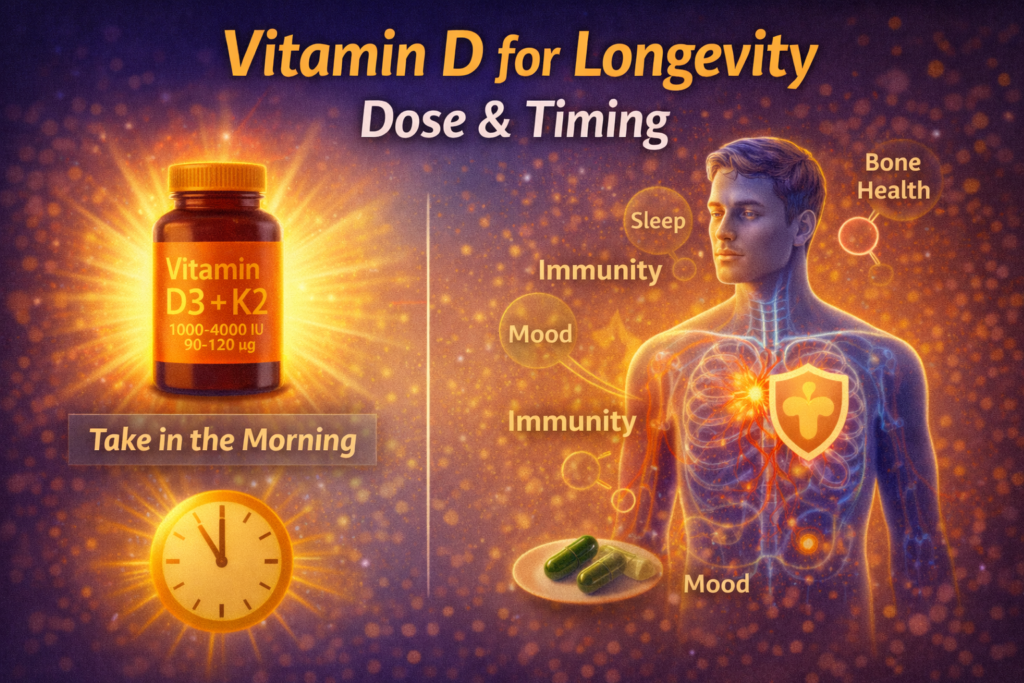
2) Vitamin D
Why it matters for longevity: Vitamin D plays a central role in immunity, bone strength, muscle function and inflammation control. Low levels are extremely common in the UK due to limited sun exposure for much of the year, especially between October and March.
The science: Vitamin D acts like a hormone that regulates hundreds of cellular processes. Deficiency is linked with weakened immune response, poorer muscle performance, reduced bone density and disrupted mood regulation. Correcting deficiency is one of the simplest, highest-impact health interventions.
What to look for: Choose D3 (cholecalciferol) rather than D2. Some formulas pair D3 with vitamin K2, which may support calcium balance — but if you take anticoagulants, check with your GP first.
How to take: Many UK adults use 1000–4000 IU/day during darker months. The most accurate approach is to test your levels and adjust accordingly.
Full guide: Vitamin D for Longevity: Dose & Timing
Where to buy (UK):
Vitamin D3 1000–2000 IU (Affiliate)
3) Magnesium
Why it matters for longevity: Magnesium is involved in more than 300 enzymatic reactions including energy production, muscle function, blood sugar balance and sleep quality. Many people fall short through diet alone, making supplementation one of the most impactful daily supports.
The science: Magnesium helps regulate nervous system activity, supports mitochondrial energy production, maintains insulin sensitivity and reduces muscle tension. Deficiency is linked with sleep issues, fatigue, headaches and elevated inflammation.
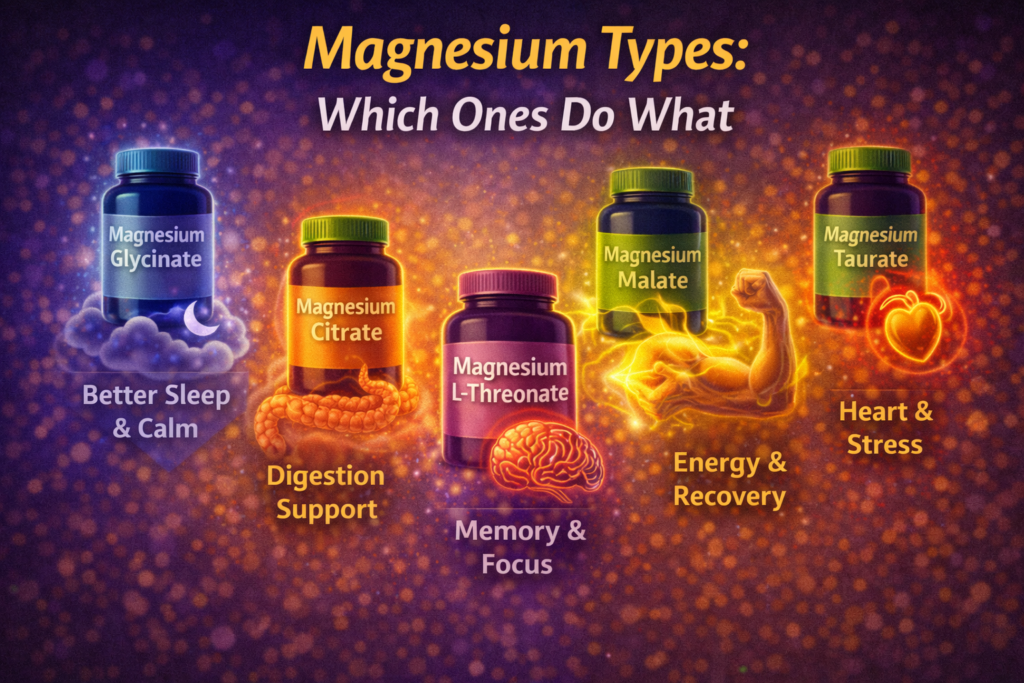
What to look for: Forms vary in purpose:
• Glycinate — calm, sleep, stress support
• Citrate — digestion and regularity
• Malate — daytime energy and muscle recovery
Avoid magnesium oxide due to poor absorption.
How to take: Many adults use 200–400 mg/day, typically in the evening if using glycinate. Check labels for “elemental magnesium,” which reflects the actual usable amount.
Full guide: Magnesium Types: Which Ones Do What
Where to buy (UK):
Magnesium Glycinate (Affiliate)
Mitochondria & cellular energy
Ageing is tightly linked to declining mitochondrial function — the “energy factories” inside cells. If energy, training capacity, or cognitive resilience are your goals, start here.
4) CoQ10
Why it matters for longevity: CoQ10 is a crucial molecule used by mitochondria to make energy. Levels naturally decline with age and can fall further if you take statins. Supporting mitochondrial health is a core pillar of healthy ageing.
The science: CoQ10 acts as both an energy carrier and antioxidant within mitochondria. Supplementation has been linked with improved energy output, better cardiovascular function and reduced oxidative stress — all foundational to long-term vitality.
What to look for: Most people do well with ubiquinone. Ubiquinol (the reduced form) may offer better absorption but is more expensive. Always take CoQ10 with a meal containing fat for proper uptake.
How to take: Typical doses range from 100–200 mg/day.
Full guide: CoQ10 & Ubiquinol for Longevity
Where to buy (UK):
CoQ10 (Affiliate)
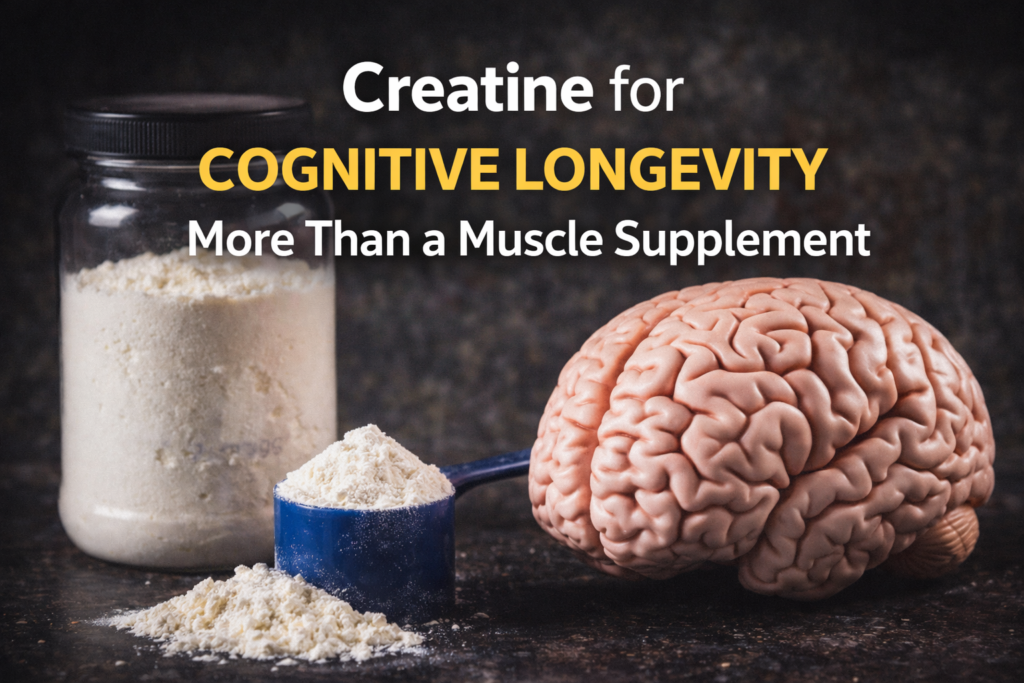
5) Creatine
Why it matters for longevity: Creatine is not just a sports supplement — it supports strength, muscle preservation, brain energy and cognitive resilience. As we age, maintaining muscle mass becomes one of the strongest predictors of long-term independence and metabolic health.
The science: Creatine helps cells regenerate ATP, the body’s rapid-fire energy currency. Research shows benefits for strength, power, muscle maintenance, recovery and even working memory. It may be particularly helpful for older adults or those who eat minimal red meat.
What to look for: Choose plain creatine monohydrate. Micronised versions mix more easily. Avoid blends or “advanced” forms — they offer no proven advantage.
How to take: 3–5 g/day. Loading is optional. Consistency is what creates benefits.
Full guide: Creatine for Cognitive Longevity
Where to buy (UK):
Creatine Monohydrate (Affiliate)
Targeted & situational (context matters)
These can be helpful, but they’re not “defaults”. Use them when there’s a specific reason — gut symptoms, recovery needs, joint goals, or a higher-stress period.
6) Probiotics
Why it matters for longevity: A healthy gut supports digestion, immunity, mood regulation, inflammation control and metabolic stability. Because modern diets and stress can disrupt the microbiome, probiotics or fermented foods can help restore balance.
The science: The gut communicates directly with the immune system, the brain and metabolic pathways. Certain probiotic strains support digestion, reduce inflammation and help maintain a strong gut barrier — crucial for long-term health and disease prevention.
What to look for: Choose a product with clear strain information, a meaningful CFU count and quality testing. Multi-strain blends are best for general daily support. Fermented foods like yoghurt, kefir, sauerkraut and kimchi are excellent additions.
How to take: Follow the brand’s instructions. Consistency matters more than timing.
Where to buy (UK):
Probiotic (Affiliate)
Do You Need All of These?
No — and most people shouldn’t take everything. Supplements should fill gaps, not create a long monthly bill. A simple, realistic starting point for many UK adults looks like:
- Vitamin D (especially October–March)
- Omega-3 (if you rarely eat oily fish)
- Magnesium glycinate (for sleep, relaxation and recovery)
Then, add others only if they fit your personal goals:
- CoQ10 — for energy, mitochondrial support, or if taking statins
- Creatine — for muscle maintenance, cognitive support and ageing well
- Probiotics — if digestion, immunity or gut health need support
Solid habits always come first: high-protein meals, consistent sleep, daily movement and stress regulation. Supplements work best when the fundamentals are steady.
Other Promising Longevity Supplements (Not Needed Daily)
Some supplements are widely discussed in the longevity world, but they aren’t essential for most people and shouldn’t be taken without context. These options show early promise, but are best viewed as optional extras rather than daily staples.
1) NAC (N-Acetyl Cysteine)
Why it’s interesting: Supports glutathione — one of the body’s major antioxidants. May help with detoxification, immune resilience and oxidative stress.
When it’s useful: During higher stress periods, poor sleep phases, or increased illness exposure.
Deep dive: NAC for Longevity
Affiliate: NAC Supplement (Affiliate)
2) Resveratrol / NMN / NR
Why it’s interesting: Linked to cellular stress-response pathways involved in repair and inflammation control.
Evidence status: Promising in animals, mixed and still evolving in humans — context and expectations matter.
Deep dive: Resveratrol vs NMN vs NR
Affiliate: Resveratrol Supplement (Affiliate)
3) Curcumin (high-absorption forms)
Why it’s interesting: One of the strongest natural anti-inflammatory compounds studied. May help joint health, mood and chronic inflammation.
When it’s useful: Occasional support during periods of inflammation or recovery.
Affiliate: Curcumin (Bioavailable) (Affiliate)
4) Rhodiola Rosea
Why it’s interesting: Adaptogen that may improve stress resilience, energy and focus.
Best for: People experiencing chronic stress or mental fatigue — not needed every day.
Affiliate: Rhodiola Rosea (Affiliate)
5) Lion’s Mane Mushroom
Why it’s interesting: Early research links it to nerve growth factor (NGF) and cognitive support.
Evidence: Promising, but still emerging.
Affiliate: Lion’s Mane Mushroom (Affiliate)
6) Electrolytes / Hydration Mix (occasional use)
Why it’s useful: Supports hydration, energy and recovery for people who train often or sweat heavily.
Not daily: Most people don’t need electrolytes every day unless active.
Affiliate: Hydration Mix (Affiliate)
These supplements are optional and situation-dependent — they can be helpful, but they are not required for longevity. Start with the essentials first.
FAQs
Do longevity supplements really work?
Some supplements have strong evidence behind them, especially Vitamin D (if levels are low), Omega-3, Magnesium and Creatine. These support key systems such as energy production, immunity, sleep quality and muscle health. Think of supplements as supportive tools — not shortcuts or anti-ageing pills.
Can I get everything from food?
Food should always come first, but some nutrients are commonly low:
- Vitamin D: nearly impossible to maintain year-round in the UK without supplementation.
- Omega-3: requires several portions of oily fish weekly.
- Magnesium: many people fall short, especially with low whole-food intake.
Testing and targeted supplementation can help fill realistic gaps.
When should I take them?
With meals: Omega-3, Vitamin D, CoQ10 (fat improves absorption).
Evening: Magnesium glycinate for sleep and recovery.
Any time: Creatine (timing doesn’t matter).
Follow the label: Probiotics (varies by strain).
Are supplements safe with medications?
Sometimes — but interactions do occur. For example, Vitamin K2 may not be appropriate for people on anticoagulants. Always check with your GP if you’re on medication or managing a chronic condition.
Conclusion
Longevity is built on daily consistency — sleep, protein-rich meals, movement, low stress and stable blood sugar. Supplements can’t replace these foundations, but they can strengthen key systems that support healthy ageing: mitochondria, immunity, muscle mass, gut function and inflammation control.
Start small. Add only what makes sense for your goals. A simple trio — Vitamin D, Omega-3 and Magnesium — covers the most common gaps. Then, build from there if you want extra support for energy, strength or digestion.
If you’re exploring the science behind longevity, your next step might be:
- Metabolic flexibility: why switching fuels matters
- The nine biological hallmarks of ageing
- Autophagy explained simply
Explore the Supplements Hub
All supplement guides organised by goal: essentials, mitochondria, repair/resilience, and advanced compounds.
References
- NHS – Vitamin D: who needs it and how much
- NHS – Vitamins and minerals overview
- Examine – Fish Oil (Omega-3) summary of evidence
- Examine – Magnesium: effects and uses
- British Heart Foundation – Healthy living hub
Written by Longevity Simplified — turning complex science into simple daily actions.
Affiliate Disclaimer: Some links in this guide are affiliate links. If you buy something, we may earn a small commission at no extra cost to you. We only recommend products we believe offer genuine quality and value. This article is for informational purposes and is not medical advice.

Simon is the creator of Longevity Simplified, where he breaks down complex science into simple, practical habits anyone can follow. He focuses on evidence-based approaches to movement, sleep, stress and nutrition to help people improve their healthspan.