How to Improve Sleep for Longevity (Simple UK Guide)
Good sleep is one of the simplest ways to support long-term health, brain function, hormones and mood. This guide keeps it practical, evidence-based and easy to follow.
Part of: Sleep & Recovery Hub | Also read: Recovery & Restoration Blueprint
Longevity isn’t just about how long you live – it’s about how well you function as you age. Sleep is one of the biggest levers you can pull. It supports memory, mood, metabolism, immune function and long-term disease risk.
During good-quality sleep, your brain clears waste, your body repairs tissues and your hormones reset. When sleep is consistently poor, hunger hormones rise, stress increases and inflammation builds – all of which make healthy ageing harder.
Note: This article is educational, not medical advice. If you have ongoing sleep problems, loud snoring, breathing pauses at night or take medication, please speak with your GP.
If you’re new to longevity, you may also find it helpful to read Why longevity matters and The nine hallmarks of ageing to see how sleep fits into the bigger picture of healthy ageing.
How I Learned to Prioritise Sleep
For a long time, I treated sleep as something I could “catch up on” at the weekend. Late nights, scrolling in bed and inconsistent wake times felt normal, especially during busy periods. I didn’t connect my sleep habits with my energy, mood or food choices at all.
Once I started paying closer attention, the pattern became obvious: after poor sleep, everything felt harder. I craved more sugar, moved less, felt more stressed and found it harder to focus. Improving my sleep didn’t just help at night — it made every other healthy habit easier the next day.
That’s why sleep sits at the foundation of longevity for me. When sleep is solid, everything else works better.
Table of Contents

Why Sleep Matters for Longevity
Sleep is not just “rest.” It is one of the most important biological repair systems you have. While you sleep, your body performs deep maintenance that keeps your brain sharp, your metabolism stable and your cells functioning the way they should. Poor sleep, on the other hand, accelerates many of the processes linked with ageing.
Here’s what high-quality sleep does for your long-term health:
- Cellular repair: Deep sleep activates processes that clear damaged proteins, support mitochondrial function and reduce inflammation — all linked to the hallmarks of ageing.
- Brain “clearance”: During sleep (especially deeper stages), the brain’s waste-clearance systems become more active, helping remove metabolic by-products that accumulate during the day.
- Hormone regulation: Sleep stabilises appetite hormones, stress hormones and metabolic signals. This makes it easier to maintain healthy body weight and avoid energy crashes.
- Immune system reset: A good night’s sleep improves immune accuracy, helping your body fight infections and reduce chronic inflammation.
- Metabolic stability: Consistent sleep improves insulin sensitivity and blood sugar control, which are central to metabolic flexibility.
When sleep is consistently poor, the opposite happens: inflammation rises, metabolic health declines, stress hormones increase and cognitive performance drops. Over time, this can accelerate ageing and make it harder to build healthy habits — even if your diet and exercise are good.
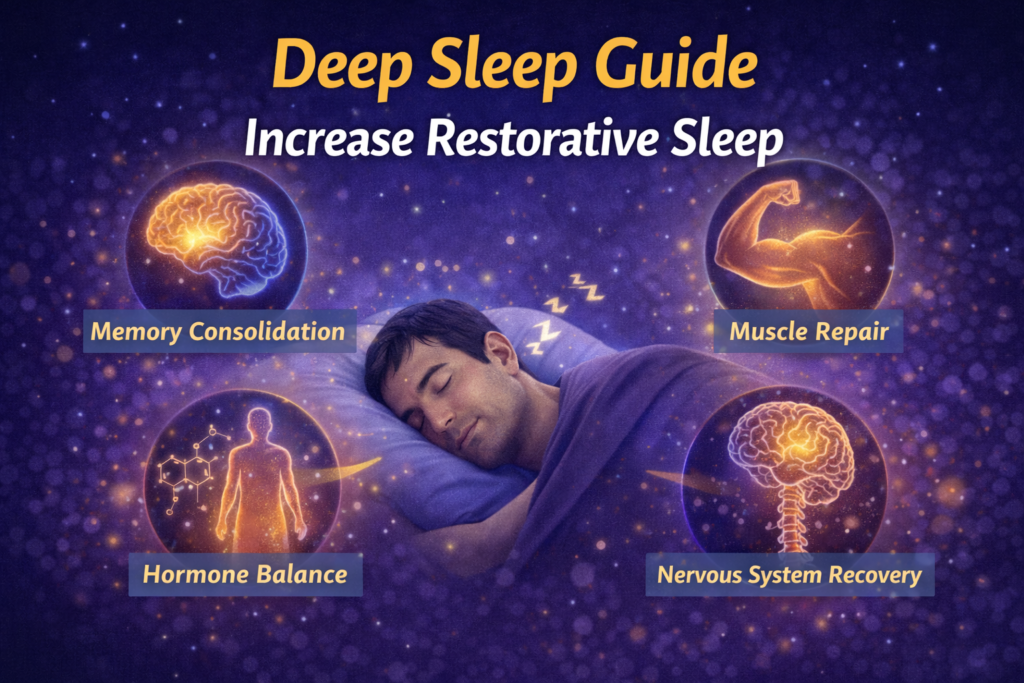
Want a deeper dive? If sleep quality is the issue (not just hours), your Deep Sleep Guide breaks down what actually improves restorative sleep (without getting obsessive).
For more ways to naturally support sleep and recovery, you may also find our guide on evidence-based longevity supplements useful, especially magnesium, which has one of the strongest sleep-support profiles.
6 Simple, Science-Backed Ways to Sleep Better
Improving sleep doesn’t require complicated routines. These six habits provide the biggest impact and work for most people, even if your schedule is busy or inconsistent.
1. Keep a Consistent Sleep Schedule
Why it matters: Your internal clock (circadian rhythm) controls hormones, digestion, mood and alertness. When your sleep and wake times vary, your body struggles to keep these systems stable.
What to do: Aim to go to bed and wake within the same 60–90 minute window daily, even on weekends. Consistency improves sleep depth and makes falling asleep easier.
Longevity link: Stable circadian rhythms support healthier metabolism and lower inflammation — two pillars of healthy ageing.
Coming soon in this cluster: Best bedtime window, social jetlag explained, and shift work damage control.
2. Get Morning Light & Limit Evening Light
Why it matters: Morning daylight anchors your body clock and suppresses melatonin at the right time. Evening blue light does the opposite — it tells your brain it’s “daytime,” making it harder to wind down.
Morning: Get 5–15 minutes of outdoor light soon after waking.
Evening: Dim overhead lights, use warm lighting, and reduce screen brightness.
Read next: Morning Light Guide (simple steps + what to do in UK winters).
Optional tools: Blue-light glasses (Affiliate) | Warm bedside lamp (Affiliate)
Coming soon in this cluster: Evening light & screens (without going extreme).
3. Consider Magnesium Glycinate in the Evening
Why it matters: Magnesium helps regulate nervous system activity, promotes muscle relaxation and supports deeper sleep. Many UK adults fall short on magnesium intake.
How to take: 200–400 mg elemental magnesium glycinate about 1–2 hours before bed. Always check with your GP if you’re on medication or have a medical condition.
Where to buy (UK):
Magnesium Glycinate (Affiliate)
Related reading: Best Supplements for Longevity (UK)
4. Optimise Your Bedroom: Cool, Dark, Quiet
Why it matters: Your body needs a drop in core temperature to fall asleep. Light and noise directly suppress deep sleep and REM sleep.
- Temperature: Aim for a cool room (around 18°C).
- Darkness: Use blackout curtains or a sleep mask.
- Quiet: Try earplugs or gentle white noise.
Optional tools:
Sleep mask (Affiliate)
|
Earplugs (Affiliate)
|
Blackout curtains (Affiliate)
Coming soon in this cluster: Temperature & sleep (the fastest bedroom upgrade).
5. Lower Stress Before Bed (10–15 Minutes)
Why it matters: High evening cortisol signals your brain to stay alert. A short wind-down ritual reduces this activation so sleep feels natural, not forced.
Simple options:
- Slow breathing (4 seconds in, 6 out)
- Gentle stretching or yoga
- A warm shower
- A quick “brain dump” journal to clear mental clutter
Related: Learn more in Stress and Longevity.
6. Watch Caffeine & Alcohol Timing
Caffeine: It has a ~6–8 hour half-life. Even afternoon coffee may reduce deep sleep. Aim for a cut-off around midday or early afternoon.
Read next: Caffeine Cut-Off Times (a practical “UK-real-life” approach).
Alcohol: It can make you fall asleep quickly but disrupts deep sleep and REM sleep, often causing 2–3am wake-ups. Keep it earlier in the evening or limit on weeknights.
Coming soon in this cluster: Alcohol & sleep (why it wrecks recovery even when you “sleep”).
Optional Sleep Helpers (Use Only If Needed)
These tools aren’t essential for good sleep, but they can provide an extra boost if your evenings feel busy, noisy or overstimulating. Think of them as helpful add-ons—not daily requirements.
1. Blue-Light Glasses (Evening)
Why they help: They reduce harsh blue-light exposure from screens, making it easier for your brain to wind down naturally.
Try this: Wear them 1–2 hours before bed while on devices.
Blue-light glasses (Affiliate)
2. Sleep Mask & Earplugs
Why they help: Light and noise are two of the biggest sleep disruptors. These simple tools create a darker, quieter sleep environment—especially effective if you live near street noise or share a room.
Sleep mask (Affiliate) | Earplugs (Affiliate)
3. Lavender or Calming Scents
Why it helps: Soft scents such as lavender may support relaxation by lowering nervous system activity, making your wind-down routine feel smoother.
4. Magnesium Glycinate
Why it helps: Useful if you struggle to relax in the evening. It supports muscle relaxation and deeper rest. Many people pair it with a wind-down ritual.
Magnesium Glycinate (Affiliate)
Note: These helpers work best when layered on top of the foundations—consistent sleep times, light control, a calm evening routine, and a restful bedroom setup.

When to Get Professional Help
Most sleep issues improve with simple daily habits. But if you’ve tried the steps in this guide and still struggle, it may signal an underlying sleep disorder. Getting support early can make a huge difference to your energy, mood and long-term health.
Common signs you should speak with your GP
- You regularly struggle to fall asleep or stay asleep
- You wake up feeling unrefreshed most mornings
- You feel excessively tired during the day
- You snore loudly or stop breathing during sleep (possible sleep apnoea)
- You experience restless legs, night-time anxiety or frequent waking
Conditions such as insomnia, sleep apnoea, restless legs syndrome and anxiety-related sleep disruption are treatable. Identifying and addressing them early often leads to deeper sleep, better concentration, improved mood and more stable energy during the day.
UK reference: NHS – Sleep and tiredness
FAQs
How many hours of sleep do I need for longevity?
Most adults function best with 7–9 hours of sleep each night. The goal is not a specific number but waking up feeling clear, steady and alert most days.
Is magnesium safe to take daily?
Magnesium glycinate is commonly used in the evening and is well-tolerated for many people. If you take medication, have a medical condition, or are pregnant/breastfeeding, check with your GP before starting.
Does poor sleep really shorten lifespan?
Long-term poor sleep is linked with higher inflammation, reduced cognitive resilience and increased risk of several chronic diseases. Improving sleep quality supports healthier ageing across multiple systems.
Should I track my sleep with a wearable?
Wearables can be helpful for spotting trends and building awareness. However, you don’t need perfect numbers—your daily energy, focus, and mood are the best indicators of sleep quality.
Conclusion & Next Steps: Keep It Simple
You don’t need a complicated routine to improve sleep. Start with one or two changes – for example, a consistent wake time and 10 minutes of morning light. Once those feel easy, add another habit.
Over time, these small steps compound into deeper, more restorative sleep and better long-term health.
Get the Free Longevity Starter Guide
Suggested reading inside this hub:
- Deep Sleep Guide (restore quality)
- Caffeine Cut-Off Times (protect deep sleep)
- Morning Light Guide (anchor circadian rhythm)
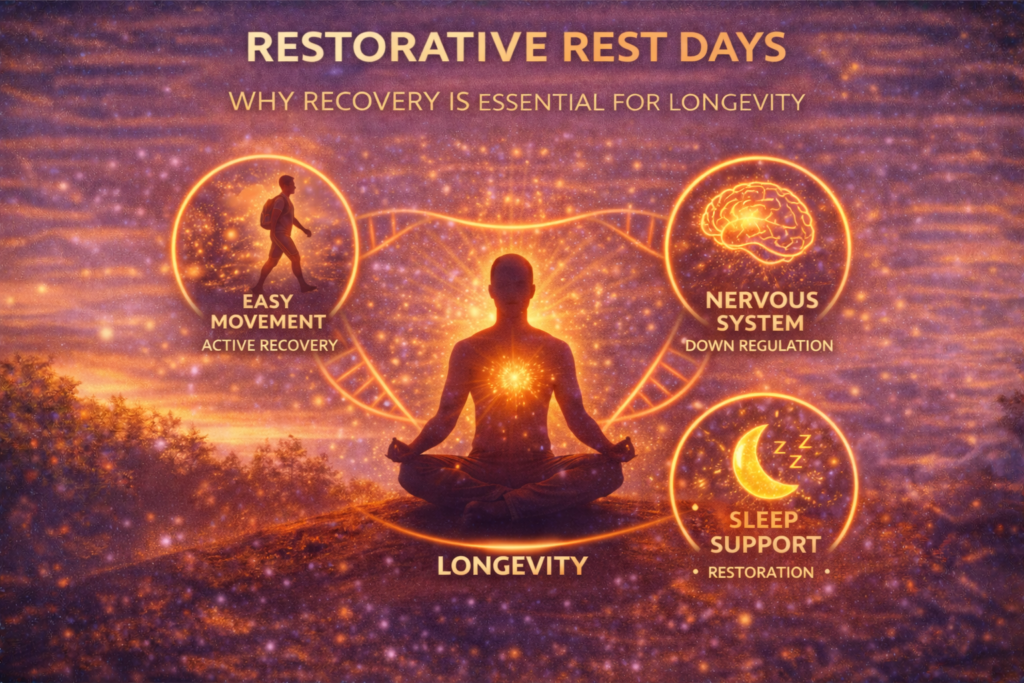
- Restorative Rest Days (recovery as a skill)
- Recovery & Restoration Blueprint (the full system)
References
Written by Longevity Simplified — turning complex health science into easy daily actions. — Visit the homepage
Affiliate Disclaimer: Some links in this article are affiliate links. If you click and purchase, we may earn a commission at no extra cost to you. We only recommend products we believe offer good quality and value. This content is for information only and is not medical advice.

Simon is the creator of Longevity Simplified, where he breaks down complex science into simple, practical habits anyone can follow. He focuses on evidence-based approaches to movement, sleep, stress and nutrition to help people improve their healthspan.