Nutrition • Meal Timing • Metabolic Flexibility
Fasting, Autophagy and Metabolic Flexibility: A Practical Guide for Longevity
Simple food-timing habits that support energy, repair and long-term metabolic health — without extreme rules.
At a glance
This guide shows how fasting, autophagy and metabolic flexibility fit into everyday life without extreme rules. The aim is steadier energy, calmer appetite, more stable blood sugar, and supportive “repair time” between meals.
- Meal timing helps your body shift from digesting to repairing.
- Autophagy is a natural clean-up process supported by rest, movement, and lower “snack noise”.
- Metabolic flexibility looks like steadier hunger and fewer crashes.
- Gentle habits beat long aggressive fasts for most people.
Table of contents
- Introduction
- 1. Why food timing matters for longevity
- 2. What metabolic flexibility looks like in real life
- 3. Simple fasting methods anyone can use
- 4. Foods and habits that make fasting easier
- 5. How movement supports autophagy and fuel use
- 6. The best way to break a fast
- 7. Who should avoid or modify fasting
- 8. A flexible fasting day in practice
- Bringing it all together
- Next steps (cluster links)
- FAQ
- References
- Disclaimer
Introduction
Fasting, meal timing and metabolic flexibility are often explained in two unhelpful ways: either as strict protocols, or as deep biology with no clear “what do I actually do?” This guide is the middle path.
It’s not a repeat of the Foundations science posts. Instead, it shows how to apply those ideas in daily life — using practical timing strategies, balanced meals, and repeatable habits that support long-term health.
If you want the underlying science first, start with: Autophagy Explained Simply and Metabolic Flexibility Explained Simply. Then use this article to translate the ideas into a workable routine.
1. Why food timing matters for longevity
Your body spends a lot of time processing food. When you create longer gaps between meals (especially overnight), your metabolism gets more “quiet time” — fewer spikes, fewer cravings, and often better sleep.
- Longer gaps can support steadier energy and easier appetite control.
- Earlier last meals often help sleep quality, which then improves hunger regulation the next day.
- Consistency helps your circadian rhythm: your body likes predictable patterns.

If you want the broader nutrition “system” this sits inside, use: The Longevity Nutrition Blueprint. If your main struggle is glucose spikes and cravings, start here: Blood Sugar and Longevity.
2. What metabolic flexibility looks like in real life
Metabolic flexibility is your ability to switch between carbohydrates and fat for fuel. In everyday terms, it looks like steadier hunger, fewer crashes, and less dependence on constant snacks.
- You feel satisfied after meals rather than hungry again soon.
- You can go a few hours without thinking about food.
- You wake up with more stable morning energy.
- Gentle movement (like walking) feels easier without “needing” quick sugar.
You can build flexibility without strict fasting. Whole foods, adequate protein and fibre, and fewer ultra-processed snacks do a lot of the work. If you want the most practical glucose tools, use: Blood Sugar Hacks and Why Walking After Meals Extends Lifespan.
3. Simple fasting methods anyone can use
Fasting doesn’t need to be extreme. For most people, the biggest benefits come from giving digestion a break overnight and spacing meals thoughtfully during the day.
- 12:12 — eat within a 12-hour window; a gentle baseline almost anyone can start with.
- 14:10 — a modest step up that often improves appetite rhythm and energy.
- 16:8 — popular for people who enjoy a longer overnight fast and tolerate it well.
The goal isn’t to push longer and longer fasts. The goal is a pattern that supports your energy, mood, and sleep. If your sleep suffers, your plan is too aggressive.
4. Foods and habits that make fasting easier
Fasting feels easier when your meals keep you full and your blood sugar steady. This is where “good nutrition” and “timing” meet. Think: protein + fibre + whole foods + enough salt/water if needed.
- Prioritise protein. Helps control hunger and maintain muscle. See: Protein Timing vs Total Protein.
- Eat high-fibre plants. Slows digestion and supports the gut. See: Fibre for Longevity.
- Choose supportive fats. Olive oil, nuts and seeds improve satiety. See: Best Oils for Longevity.
- Reduce ultra-processed snacks. They create spikes and crashes. See: Ultra-Processed Foods & Ageing.
If you want the “baseline system” that makes timing easier, start with The Longevity Nutrition Blueprint, and if gut comfort is the limiter, use Gut Health and the Microbiome.
5. How movement supports autophagy and fuel use
Movement and fasting work well together. Gentle exercise helps your body use energy more efficiently and can reinforce metabolic flexibility without needing extreme fasting windows.
- Easy walks (including fasted walks) can support fat use without stressing the body.
- Steady-state cardio improves mitochondrial efficiency over time.
- Strength work protects muscle — especially important if you’re experimenting with longer gaps between meals.
Pairing movement with better meal structure is one of the simplest “compounding” combinations for healthspan. If your biggest win is glucose stability, don’t miss: Walking After Meals.
6. The best way to break a fast
How you break a fast often determines how you feel for the rest of the day. A balanced first meal helps avoid spikes and rebound hunger.
- Start with protein and fibre.
- Add healthy fats for satiety.
- Choose whole-food carbs if you want them (fruit, oats, potatoes, rice).
- Avoid high-sugar foods on an empty stomach if you’re prone to crashes.

If you want a simple template meal approach, use: The Anti-Inflammatory Plate.
7. Who should avoid or modify fasting
Fasting isn’t right for everyone. It may not be suitable if you are pregnant, breastfeeding, underweight, have a history of eating disorders, or are managing certain medical conditions. Anyone taking medication that affects blood sugar should seek medical guidance before starting.
If fasting leaves you dizzy, anxious, overly hungry, or it disrupts sleep, shorten the fasting window or return to regular meals while improving food quality first. In practice, sleep and stability beat aggressive fasting for long-term health.
8. A flexible fasting day in practice
Here’s a gentle pattern that supports metabolic health without feeling restrictive. Adjust earlier or later based on your schedule.
- 07:00 — wake, water, light movement or fresh air
- 10:00 — first meal (protein + plants + fats)
- 14:00 — second balanced meal
- 18:00 — final main meal
- Evening — light walk; herbal tea if desired
If your priority is stable glucose, add a short post-meal walk: Why Walking After Meals Extends Lifespan.
Bringing it all together
Fasting and metabolic flexibility aren’t extreme protocols. They’re patterns that sit on top of your daily nutrition, sleep, and movement habits. By spacing meals thoughtfully, improving food quality, and building steady energy, you help your body switch between fuel sources more smoothly and support long-term health.
If you want the full baseline system, start with: The Longevity Nutrition Blueprint.
Next steps and related reading
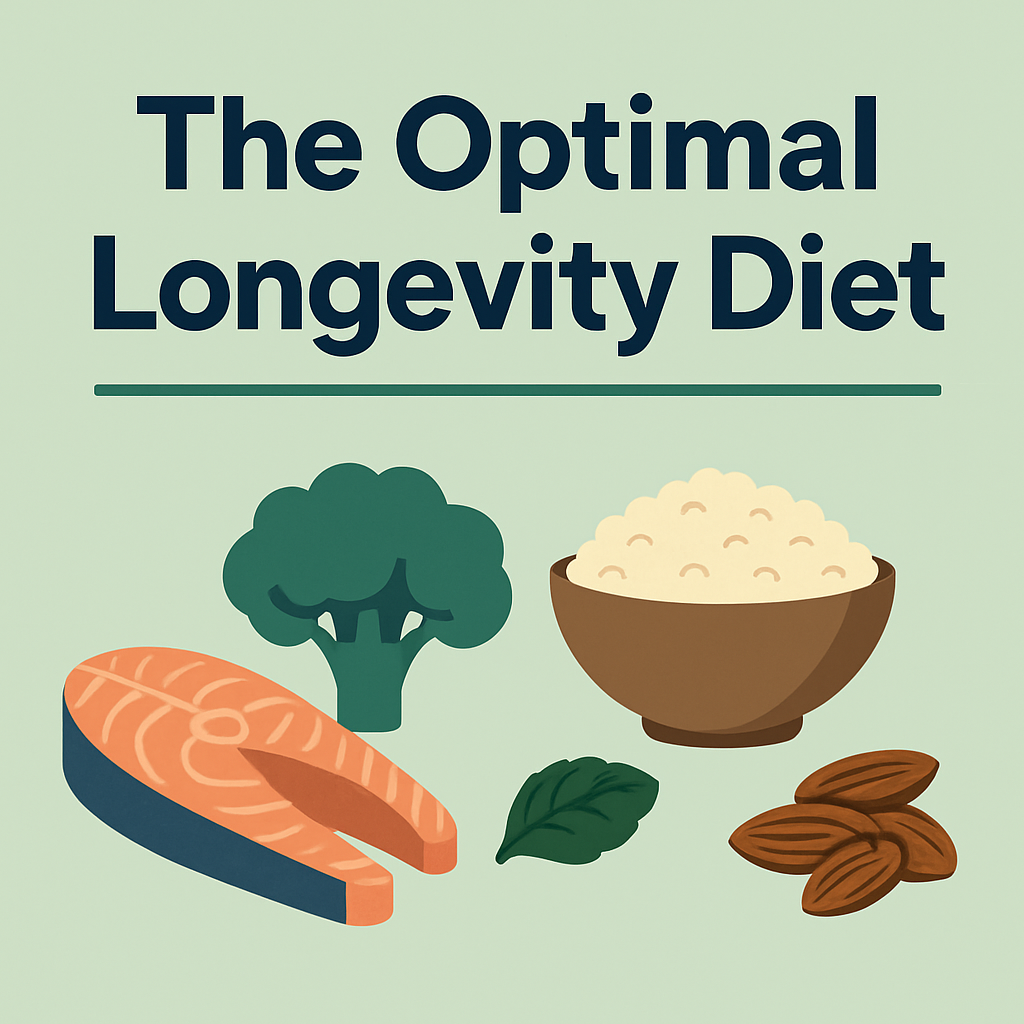
- Start with the pillar: The Longevity Nutrition Blueprint
- Meal timing foundation: Chrononutrition
- Blood sugar skills: Blood Sugar and Longevity and Blood Sugar Hacks
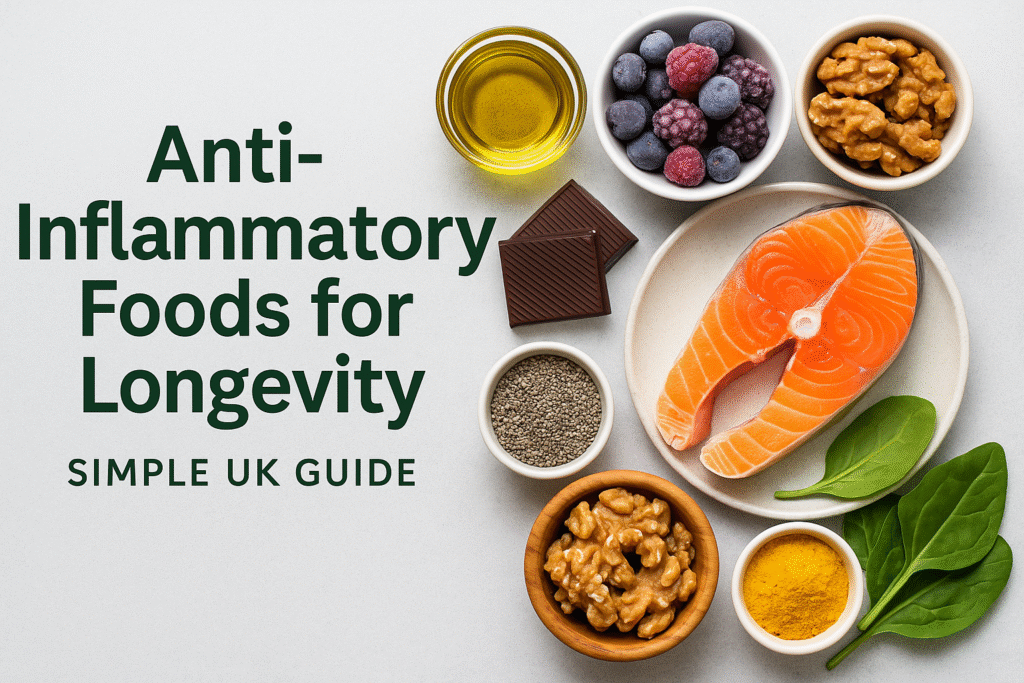
- Anti-inflammatory baseline: The Anti-Inflammatory Plate and Anti-Inflammatory Foods
- Gut support: Gut Health and the Microbiome
- Back to hub: Nutrition Hub
Fasting and metabolic flexibility FAQ
Do I need to fast every day?
No. Many people do well with gentle patterns like 12:12 or 14:10 most days. Others prefer weekday-only timing. Consistency matters more than strict rules.
Will fasting slow my metabolism?
Short daily fasts usually don’t “slow” metabolism. Extreme calorie restriction can, which is why this guide focuses on timing patterns that are sustainable and food-quality-driven.
Can I exercise while fasting?
Often yes — light movement like walking is usually fine. If you feel weak or dizzy, shorten the fast or have a small balanced meal first.
Do I need supplements to support fasting?
Most people don’t. Hydration matters, and electrolytes can help some people (especially with training or heat). See: Electrolytes for Energy & Recovery and Hydration for Longevity.
References (selected)
- Cell Metabolism — research on fasting and time-restricted eating (journal)
- New England Journal of Medicine — autophagy and human health (journal)
- Annual Reviews — metabolic flexibility and nutrition (publisher)
For the simplified science versions on this site: Autophagy Explained Simply • Metabolic Flexibility Explained Simply.
Important note
This guide is for general information and education. It is not medical advice and not a replacement for seeing your GP, dietitian, or other qualified professional. Never ignore medical advice or delay seeking it because of something you read online.
Affiliate disclaimer: Some resources on Longevity Simplified may include affiliate links. If you choose to buy through these links it supports the site at no extra cost to you.
Written by Longevity Simplified — turning complex health science into practical daily habits.

Simon is the creator of Longevity Simplified, where he breaks down complex science into simple, practical habits anyone can follow. He focuses on evidence-based approaches to movement, sleep, stress and nutrition to help people improve their healthspan.