Nutrition • Gut Health
The Gut Microbiome of Centenarians: 4 Standout Bacteria
What the world’s longest-living people tend to share in their gut — and how to support it with simple food habits.
One of the most fascinating patterns in longevity research is this: many people who live to 100+ don’t just have “good genes” — they often have a gut microbiome that looks different from the average older adult.
It’s not only about having more diversity. Centenarian groups also tend to show higher levels of specific microbes associated with lower inflammation, better metabolic health, and more resilient immune balance.
In this guide, I’ll break it down simply. You’ll learn:
- what makes the centenarian microbiome unique
- four standout bacteria often linked with long-lived populations
- why they may matter for inflammation, metabolism, and the gut barrier
- how to support a more “centenarian-friendly” gut with diet and lifestyle
1) The simple explanation
Longevity isn’t only about your cells — it’s also about your ecosystem. Your gut microbes help:
- strengthen the gut lining (barrier function)
- produce helpful compounds like short-chain fatty acids
- train and regulate immune responses
- influence blood sugar and appetite signals
- keep inflammatory microbes in check
As we age, many people lose microbial diversity and “good” microbes decline. However, in many centenarian cohorts, certain beneficial patterns remain more stable.
Important note: this doesn’t mean one bacterium “causes” longevity. Instead, it suggests long-lived people often share a set of conditions (diet, activity, sleep, stress, social patterns) that make beneficial microbes more likely to thrive.
2) What’s different about centenarians’ microbiomes
Across multiple studies, centenarians frequently show two broad trends:
Higher resilience and functional output
It’s not just which microbes are present — it’s what they do. Many beneficial microbes produce compounds that support gut barrier integrity and reduce inflammatory signalling.
Lower chronic inflammation pressure
Chronic inflammation is one of the biggest accelerators of ageing. Therefore, a gut environment that supports anti-inflammatory signalling can be a meaningful advantage over decades.
If you want a deeper overview of how diet patterns shape microbial diversity and health outcomes, see the Nature Reviews Microbiology review on diet–microbiome interactions.
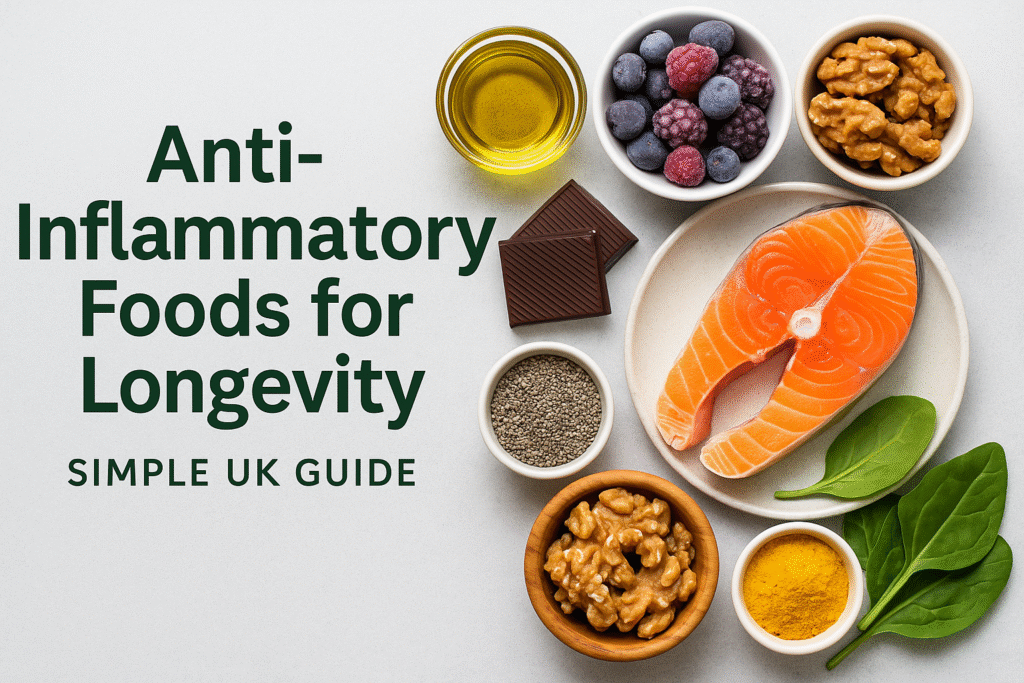
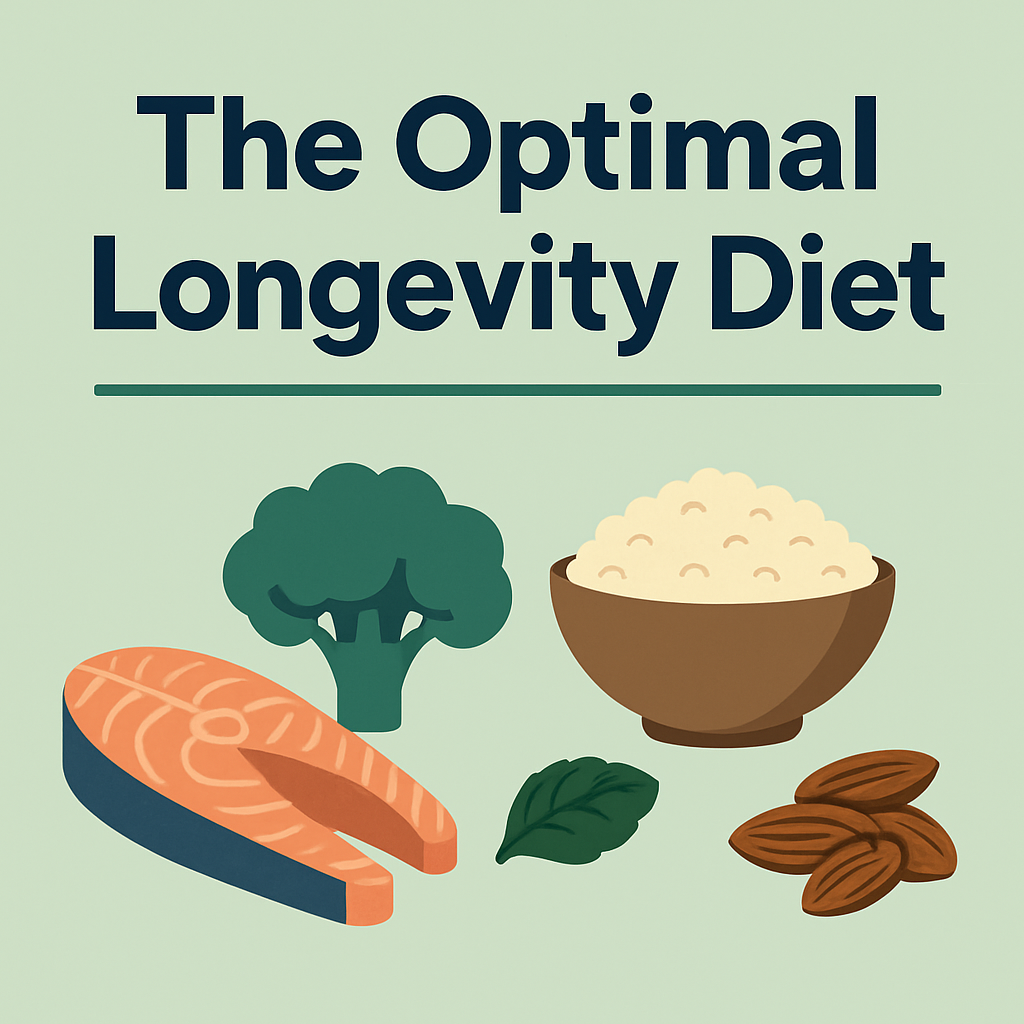
If you’re building the basics first, start with: Anti-Inflammatory Foods and The Optimal Longevity Diet.
3) The 4 standout bacteria (explained simply)
These four microbes are commonly mentioned in longevity discussions because they show up repeatedly across centenarian research themes. Think of them as signals of a favourable gut environment — not magic bullets.
1) Akkermansia (Akkermansia muciniphila)
Often associated with a stronger gut barrier and healthier metabolic signalling. It lives close to the gut lining and is frequently discussed in relation to insulin sensitivity and inflammation balance.
2) Christensenella
One of the more “heritable” gut microbes, often associated with leanness and metabolic stability. In practice, it seems to correlate with healthier long-term weight regulation patterns.
3) Oscillibacter
Commonly linked with production of beneficial metabolites and gut-environment balance. In simple terms: it’s often seen in microbial ecosystems that look more stable and less inflammatory.
4) Odoribacter
Frequently associated with healthier inflammatory balance and fat metabolism signalling. It tends to do better in fibre-rich, whole-food dietary patterns.
Key point: these microbes don’t thrive on ultra-processed foods. Instead, they’re more likely to flourish when you consistently eat fibre, polyphenols, and minimally processed whole foods.
4) How to support these microbes naturally
You don’t need exotic protocols. Instead, focus on the “inputs” that shape your gut environment. Over time, those inputs tend to nudge your microbiome in a more beneficial direction.
A) Eat more prebiotic fibre
Prebiotics are fibres that feed beneficial microbes. Start small if your gut is sensitive, then build gradually.
- onions, garlic, leeks
- asparagus
- slightly green bananas
- beans and lentils
- oats
B) Prioritise polyphenol-rich foods
Polyphenols are plant compounds that many beneficial microbes love. Plus, they can lower oxidative stress.
- berries (fresh or frozen)
- extra-virgin olive oil
- green tea
- dark chocolate (70%+)
- red/purple veg (red cabbage, beetroot, aubergine)
C) Add fermented foods (if tolerated)
Fermented foods can support microbial diversity and help the gut ecosystem stay robust.
- live yoghurt or kefir
- kimchi or sauerkraut
- miso
D) Reduce ultra-processed foods
This is the unglamorous lever that often matters most. UPFs can reduce diversity and favour inflammatory species, especially when they’re low in fibre and high in refined fats/sugars.
E) Walk after meals
A short walk improves glucose handling, and better glucose control tends to support a more favourable gut environment. If you want one habit that stacks benefits fast, this is it.
Helpful companion reads: Blood Sugar and Longevity and Why Walking After Meals Extends Lifespan.
5) A simple daily “feed your gut” plan
Here’s a realistic template you can repeat. It’s intentionally boring — because boring is sustainable.
Daily template
- Breakfast: oats + berries + yoghurt (or kefir)
- Lunch: big mixed salad/veg + olive oil + protein + a slow carb (beans/lentils/potatoes)
- Dinner: vegetables + protein + legumes or whole grains, plus herbs/spices
- Daily habit: 10-minute walk after your largest meal
Even if you only nail this 80% of the time, you’ll likely notice better digestion, steadier energy, and fewer cravings. In other words, it gets easier as you go.
6) Quick wins
- add frozen berries to breakfast daily
- add garlic + onions to one meal (easy prebiotic boost)
- eat beans or lentils 3–4x per week
- swap one snack for yoghurt + nuts
- drink green tea instead of a sugary drink
- walk 10 minutes after dinner
7) What not to do
- Don’t rely on random probiotic supplements. Most don’t contain these specific microbes, and diet still matters more.
- Don’t eliminate all carbs. Many beneficial microbes depend on fibre-rich plant carbs.
- Don’t expect overnight changes. Some shifts happen quickly, but deeper stability takes weeks to months.
- Don’t “out-supplement” a low-fibre diet. If the inputs don’t change, the ecosystem won’t either.
8) My personal approach
When I first went down the gut-health rabbit hole, I wasted time trying to micromanage details. What actually moved the needle was simpler: food diversity and repeatable staples.
- berries and oats most mornings
- olive oil + vegetables daily
- beans or lentils several times per week
- something fermented every day or two (usually yoghurt or kefir)
It’s not perfect, but it’s consistent. Therefore, it’s the kind of pattern I can stick with for years — which is exactly how gut shifts become meaningful.
9) FAQs
Can you buy supplements containing Akkermansia, Christensenella, Oscillibacter, or Odoribacter?
Not reliably. Some products make claims, but for most people, diet and lifestyle are the most dependable way to support a favourable gut environment.
Does the microbiome really influence longevity?
Yes — it can influence inflammation, metabolic health, immune balance, and brain–gut signalling. However, it’s one part of a bigger system.
How long does it take to improve gut health?
Some changes can occur in days. Still, more stable improvements usually take weeks to months of consistent inputs.
Are fermented foods enough on their own?
They can help, but fibre and polyphenols are the foundation. Without them, fermented foods won’t compensate.
Want a simple gut + longevity eating structure?
Start with anti-inflammatory meals, stable blood sugar habits, and daily movement — then let the microbiome follow.
Related articles
- Anti-Inflammatory Foods
- The Optimal Longevity Diet
- Blood Sugar and Longevity
- Why Walking After Meals Extends Lifespan
- Metabolic Flexibility Explained Simply
If you take one thing from this…
The “centenarian microbiome” is mostly built on fibre, polyphenols, fermented foods (if tolerated), and low ultra-processed intake. Start feeding the ecosystem, and the ecosystem starts supporting you.
— Simon, Longevity Simplified
Disclaimer: This article is for educational purposes only and isn’t medical advice. If you have a gastrointestinal condition, are immunocompromised, or have complex health issues, speak with a qualified clinician before making major diet changes.
References
- Nature Reviews Microbiology: review articles on diet–microbiome interactions and health outcomes.
- Centenarian microbiome cohort studies (observational research comparing long-lived groups with younger/older controls).
- Human studies on fibre, polyphenols, fermented foods, and microbial diversity (dietary intervention literature).

Simon is the creator of Longevity Simplified, where he breaks down complex science into simple, practical habits anyone can follow. He focuses on evidence-based approaches to movement, sleep, stress and nutrition to help people improve their healthspan.