The Optimal Longevity Diet
What scientists broadly agree on, where they still disagree – and how to turn the research into simple, everyday meals.
Everyone wants a way of eating that supports a long, healthy life without feeling restricted or confused. The problem is that nutrition advice often sounds like a fight between camps: keto, low fat, plant based, Mediterranean, high protein, fasting and many more.
Behind the headlines and trends there is actually more agreement than it seems. Over the last few years, large population studies, clinical trials and research from longevity centres have started to point towards some shared foundations of an optimal longevity diet.
This guide breaks it down into simple language so you can see:
- What scientists consistently agree on
- Where experts still debate the details
- What a practical, everyday longevity diet looks like in real life
Note: This article is for education only and is not medical advice. If you have a health condition, allergies, or take medication, speak with your GP or a registered nutrition professional before making big changes to your diet.
Table of Contents

What Scientists Agree On
There is no single perfect human diet, but there are clear patterns that show up again and again in people who live longer, healthier lives. Most longevity researchers now agree on these core foundations.
1) An Optimal Longevity Diet Is Mostly Whole and Minimally Processed
Across Mediterranean populations, Blue Zone regions and long term cohort studies, diets linked with healthy ageing are built around whole, minimally processed foods. These include vegetables, beans, lentils, fruit, whole grains, nuts, seeds and high quality protein sources.
These foods support lower inflammation, steadier blood sugar and healthier cholesterol profiles. They also provide the fibre and phytonutrients your gut microbiome needs to thrive.
2) Fibre Is Essential for Long Term Health
High fibre intake is consistently associated with lower risk of heart disease, stroke, type 2 diabetes and some cancers. Fibre feeds beneficial gut bacteria, supports regular digestion and helps regulate appetite.
Many longevity focused practitioners aim for 25 to 40 grams of fibre each day, mainly from vegetables, fruit, whole grains, beans, lentils, nuts and seeds.
3) Healthy Fats Support Heart and Brain Health
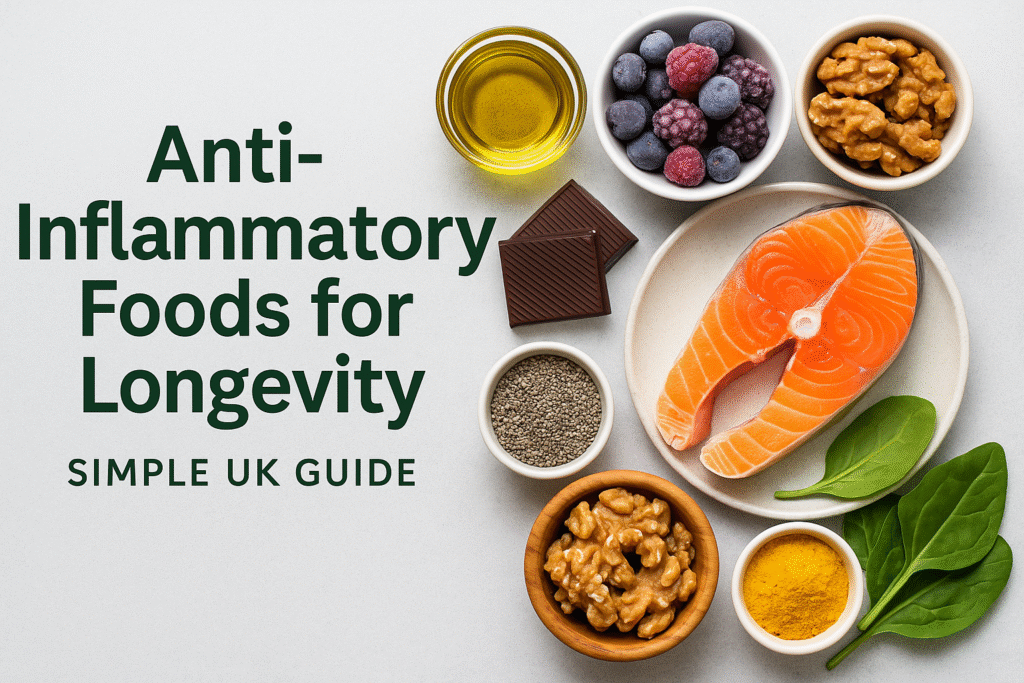
Extra virgin olive oil, nuts, seeds, avocados and oily fish appear again and again in longevity research. They provide monounsaturated and polyunsaturated fats which support healthy cholesterol levels, reduce inflammation and may protect brain function with age.
You can read more on this in the related guide Anti-inflammatory foods for longevity.
4) Protein Becomes More Important With Age
From around age 30 we gradually lose muscle mass unless we protect it. Adequate protein intake, combined with resistance exercise, helps maintain strength, bone density and metabolic health.
Many researchers suggest a range of 1.2 to 1.6 grams of protein per kilogram of bodyweight per day for healthy ageing, adjusted to your own needs, goals and medical situation.
5) Plants Should Feature in Every Meal
You do not need to be fully plant based to eat for longevity, but a plant forward plate is a consistent pattern in long lived populations. Variety is important. Different plants provide different polyphenols and antioxidants that support healthy ageing in complementary ways.
As a simple rule of thumb, aim for at least two different colours of plants on most plates across the day.
Where Experts Still Disagree
The foundations above are widely shared. The debates tend to focus on details such as meal timing, macronutrient ratios and how much animal food to include.
1) Should You Fast?
Intermittent fasting and time restricted eating can improve blood sugar control and inflammation for some people. Other studies show similar benefits when total calorie intake and food quality are matched.
For most people, a gentle approach such as a 12 to 14 hour overnight fast (for example, finishing dinner by 8 p.m. and eating breakfast after 8–10 a.m.) is a realistic starting point without extreme rules.
2) How Much Animal Protein Is Ideal?
There is broad agreement that quality matters more than quantity. Lean meats, eggs, yoghurt and fish can all fit within a longevity diet.
Some researchers prefer mostly plant based protein sources, while others support a mixed pattern that includes moderate amounts of animal foods. Your choice can be guided by personal preference, ethics, budget and how your body responds.
3) Should You Avoid Carbohydrates?
Low carbohydrate diets can improve markers like blood sugar in the short term. Over the longer term, the quality of carbohydrates appears more important than the total amount.
Carbohydrates from whole grains, beans, lentils and root vegetables are consistently linked with better health outcomes. Highly processed refined carbs are not.
4) How Important Are Supplements?
Some longevity experts focus almost entirely on food. Others highlight benefits from targeted supplements such as omega 3, vitamin D, magnesium or B12, depending on the individual.
Supplements can be useful if you have a proven deficiency or cannot meet your needs from food alone. They tend to work best when they support a solid diet rather than replace it. You can read more in Best supplements for longevity (UK guide).
What a Longevity Diet Looks Like in Real Life
Rather than chasing perfection, think of a longevity diet as a set of small daily habits that stack up over years.
Daily Habits That Support Healthy Ageing
- Fill at least half your plate with vegetables or fruit at most main meals.
- Include a palm sized portion of protein (or two palms if you are very active) with each meal.
- Choose whole grains like oats, brown rice, quinoa or wholegrain bread instead of refined versions.
- Cook mainly with extra virgin olive oil and limit deep fried foods.
- Eat a small handful of nuts or seeds on most days.
- Include beans or lentils several times a week, even if you also eat meat or fish.
- Have oily fish such as salmon, mackerel or sardines once or twice per week, if you eat fish.
- Keep highly processed foods, sugary drinks and takeaway meals as occasional treats instead of daily staples.
These patterns align with the research on Mediterranean style diets, Blue Zone regions and modern clinical trials. They support metabolic health, muscle maintenance and lower inflammation, which all contribute to a longer healthspan.
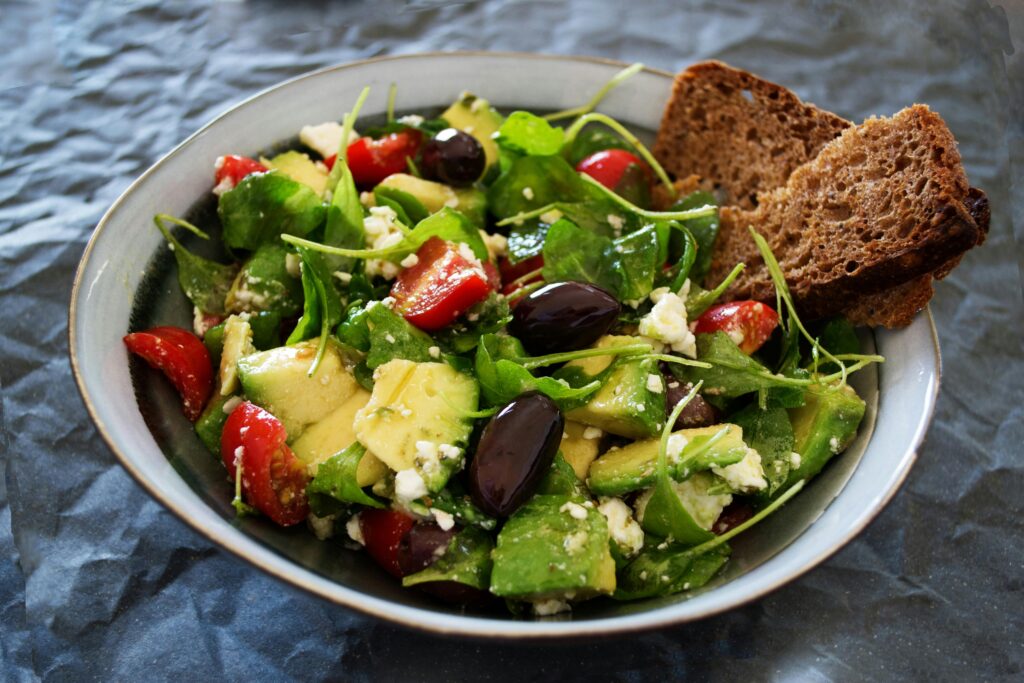
A Simple Day of Eating for Longevity
This is not a strict meal plan, just an example of how the principles above can look in one normal day.
Breakfast
Oats with berries, chia seeds and yoghurt
- Base of rolled oats or steel cut oats
- Handful of mixed berries, fresh or frozen
- One tablespoon of chia or ground flaxseeds
- A spoon of plain Greek yoghurt (or soy yoghurt) for extra protein
Coffee or tea if you enjoy it, ideally without too much added sugar.
Lunch
Mixed salad bowl with beans or grilled chicken
- Leafy greens, tomatoes, cucumber, peppers or any colourful vegetables you like
- Protein source such as chickpeas, lentils, tofu or grilled chicken
- Olive oil and lemon or vinegar as a simple dressing
- Optional side of wholegrain bread or quinoa
Dinner
Salmon or plant based protein with roasted vegetables and whole grains
- Oven baked salmon, tempeh or a bean based dish
- Roasted vegetables such as broccoli, carrots, onions and peppers
- Quinoa, brown rice or another whole grain as a side
Snacks
Choose from:
- A small handful of mixed nuts
- Fruit with a spoon of nut butter
- Hummus with vegetable sticks
- A square or two of dark chocolate
If you would like a more structured starting point, you can also check the anti-inflammatory foods for longevity guide.
How I Apply These Principles Personally
When I first started looking at longevity nutrition, I tried hopping between different “diets” – low carb for a while, then plant based, then more protein heavy. What finally made things easier was stepping back and focusing on the patterns that kept showing up in the research.
In practice, my own eating now looks very similar most days:
- A mostly consistent, higher protein breakfast with some fibre (usually oats or eggs plus vegetables).
- Plenty of plants at lunch and dinner, with olive oil as the default fat.
- Beans, lentils or tofu several times a week, even if there is also some animal protein.
- “Fun foods” still included, but more intentionally and less by default.
I still adjust based on work, training and social life, but the foundations stay the same. That is the core idea of an optimal longevity diet: stable foundations, flexible details.
FAQs
Is there one “best” longevity diet?
Not exactly. Different patterns (Mediterranean, plant forward, some low carb approaches) can all support healthy ageing if they are built on whole foods, adequate protein, plenty of plants and limited ultra-processed foods. The best diet is the one that fits those principles and that you can enjoy and maintain.
Do I have to give up meat for longevity?
Not necessarily. Many people do well on diets that include moderate amounts of high quality animal protein alongside lots of plants. If you choose to eat meat, focus on quality, portion size and keeping processed meats to a minimum.
Are snacks bad for longevity?
Snacks are not a problem on their own. What matters more is what you snack on and whether it helps or harms your overall pattern. Snacks based on fruit, nuts, yoghurt or hummus can support stable energy far better than sugary drinks or pastries.
Can I still have “treat” foods?
Yes. Longevity is about long term patterns, not perfection. It is completely possible to enjoy desserts, takeaway meals or alcohol occasionally while still keeping your core diet focused on plants, whole foods, healthy fats and sufficient protein.
References & Further Reading
- World Health Organization – Healthy diet guidelines
- Harvard T.H. Chan School of Public Health – Healthy Eating Plate & longevity research
- Blue Zones® – Dietary patterns linked to longer life
- European Prospective Investigation into Cancer and Nutrition (EPIC Study)
- Global Burden of Disease Study – Dietary risk factors
- National Institutes of Health – Protein requirements across ageing
- American Heart Association – Recommendations on healthy fats and heart health
- American Diabetes Association – Dietary patterns and metabolic health
Want a Simple Plan to Start Eating for Longevity?
You do not need to overhaul everything at once. Start by adding one extra serving of plants each day or by swapping one refined food for a whole food source. Small changes compound over time.
If you would like a clear, printable starting point, you can download the free Longevity Starter Guide. It gives you simple, science-informed steps for nutrition, movement, sleep and stress that you can begin this week.
Get the Free Longevity Starter Guide →
Also helpful:
Anti-inflammatory foods for longevity •
Blood sugar and longevity •
Best supplements for longevity (UK guide) •
Zone 2 cardio for longevity •
How to improve sleep for longevity
Written by Longevity Simplified – turning complex longevity science into simple daily actions.
Affiliate Disclaimer: Some links in this article are affiliate links. If you click and purchase, we may earn a small commission at no extra cost to you. We only recommend products we believe offer good quality and value. This content is for information only and is not medical advice.

Simon is the creator of Longevity Simplified, where he breaks down complex science into simple, practical habits anyone can follow. He focuses on evidence-based approaches to movement, sleep, stress and nutrition to help people improve their healthspan.