Nutrition • Sustainable habits
The 80/20 Longevity Eating Rule
A simple, sustainable way to eat for long-term health — without restriction.
In short: Aim for nutrient-dense meals most of the time, then leave room for enjoyment. Over weeks and months, that consistency matters far more than “perfect” eating.
Most diets fail for a boring reason: they’re too strict to live with. They rely on elimination, rigid rules, and all-or-nothing thinking. As a result, you might do “perfect” for a week… and then bounce hard the other way.
Longevity eating is different. It’s built around flexibility, balance, and repeatability — the kind of plan you can follow when life gets busy, social events happen, and motivation dips. That’s why I keep coming back to the same framework:
The 80/20 Longevity Eating Rule.
It supports long-term energy, weight stability, and metabolic health — and, importantly, it helps you stay consistent without feeling restricted.
1) What the 80/20 rule actually means
The 80/20 rule is simple:
Eat nutrient-dense, longevity-supporting foods about 80% of the time — and enjoy the other 20% without guilt.
In practice, this means your “default” meals are built from whole, minimally processed foods (protein, plants, fibre, healthy fats). Then, you intentionally leave room for pleasure foods, meals out, cultural favourites, or the occasional convenience choice.
Crucially, 80/20 isn’t a spreadsheet. It’s a direction. If you’re roughly in that zone over time, you’re doing it right.
2) Why it works for longevity
Longevity is mostly a pattern game. Your body adapts to what you do repeatedly, not what you do occasionally. Therefore, a plan that you can stick to for years beats a “perfect” plan you abandon after two weeks.
Flexible eating improves adherence
When people allow planned flexibility, they tend to stick with healthy routines longer. In other words, a little room to breathe can prevent the classic restrict → crave → binge cycle.
Consistency beats perfection
A single takeaway doesn’t “ruin” anything. Likewise, one ultra-healthy day doesn’t fix everything. However, your weekly average is where the magic happens.
Your 80% supplies the longevity inputs
Most of the benefits come from the boring foundations: adequate protein, plenty of plants, high fibre, and healthy fats — which support satiety, stable blood sugar, and lower inflammation over time.
Your 20% reduces stress (and makes life livable)
Rigid food rules can raise stress and backfire. By contrast, planned flexibility helps you eat well while still enjoying social meals and your favourite treats — without needing to “start again Monday.”
Helpful framework: the Harvard Healthy Eating Plate is a clear visual guide for building balanced meals.
3) The Longevity Plate Formula (your 80%)
If you want one repeatable template, use this. It’s simple enough to remember, yet structured enough to work.
The Longevity Plate (default meal template)
- 40% colourful vegetables (fibre, antioxidants, volume)
- 30% high-quality protein (satiety, muscle maintenance, metabolic health)
- 20% smart carbs / whole grains (training fuel, gut health, steady energy)
- 10% healthy fats (hormones, absorption, flavour)
40% colourful vegetables
Think: frozen mixed veg, salad bags, peppers, carrots, onions, mushrooms, broccoli, spinach. If you’re busy, frozen veg is the cheat code — it’s cheap, fast, and still counts.
30% high-quality protein
Chicken, eggs, Greek yoghurt, tofu, beans/lentils, lean mince, cottage cheese. Protein makes the whole system easier because it reduces cravings and keeps you full longer.
20% smart carbs / whole grains
Oats, potatoes, quinoa, brown rice, wholemeal pasta, beans. If you’re more active, you’ll usually tolerate (and benefit from) more carbs. If you’re sedentary, you may do better with slightly less — but you don’t need to fear them.
10% healthy fats
Extra-virgin olive oil, nuts, seeds, avocado. Even small amounts improve satisfaction, which makes consistency easier.
Result: steadier energy, better blood sugar control, and meals you can repeat without overthinking.
4) What counts as the 20%?
The 20% is simply “foods you enjoy that aren’t doing the heavy lifting for nutrition.” Examples:
- pizza or takeaway
- desserts
- crisps
- chocolate
- pastries
- higher-calorie convenience meals
No guilt. No compensating. No “I’ve ruined it.” Instead, you just return to your next normal meal.
Key idea: The 20% works best when it’s enjoyed intentionally (a meal out, a planned treat), not mindlessly (grazing all day).
5) How to apply 80/20 in real life
Here are the simplest ways to make it work without tracking:
- Make your default meals the 80%. Breakfast + lunch + most dinners follow the Longevity Plate.
- Use 20% for real life. Social meals, weekends, holidays, and the foods you genuinely love.
- Plan one indulgence, not ten “accidents.” You enjoy it more, and it’s easier to stop.
- Don’t restrict after indulgences. That’s how the cycle starts. Instead, return to normal.
- Anchor with protein + plants. If you do nothing else, do those two.
Also, if you want an easy “longevity multiplier,” add a short walk after bigger meals. It’s one of the simplest habits for metabolic health.
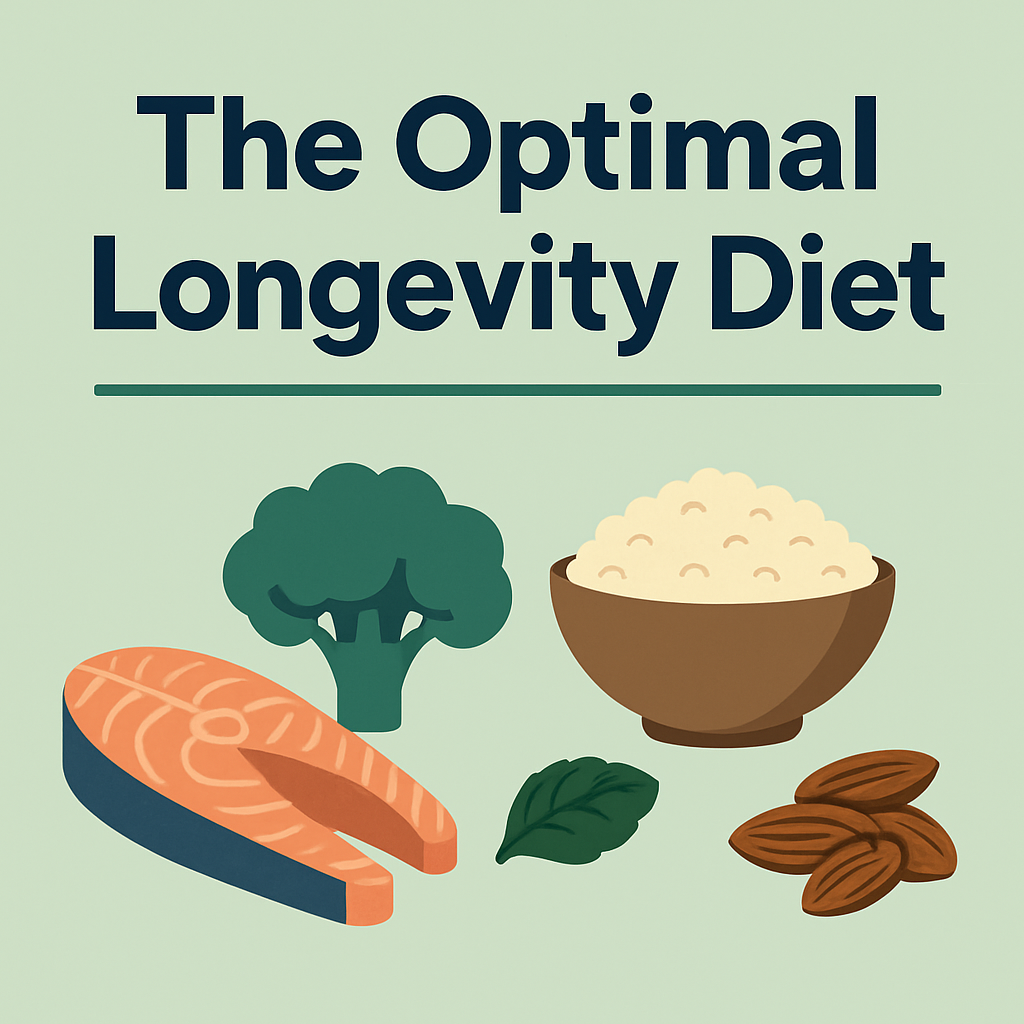
If you’re building your nutrition foundations, start here: The Optimal Longevity Diet and Blood Sugar and Longevity.
6) Quick wins (starts today)
- Protein at breakfast to reduce cravings later.
- Half-plate veg at lunch or dinner.
- Keep a planned treat at home — it reduces the “scarcity” effect.
- Make the 20% social when possible (it’s more satisfying than solo snacking).
- Do a 5–10 minute walk after meals (especially higher-carb meals).
7) Common mistakes to avoid
- Accidental 40%: grazing + snacks + “little treats” can quietly stack up.
- Good vs bad labels: moralising food fuels rebound behaviour.
- Using 20% as a reward: it’s not “earned,” it’s simply part of balance.
- Restricting the next day: this increases cravings and turns 80/20 into a cycle.
- Making the 80% a strict diet: the whole point is flexibility.
8) My personal approach
Here’s how I use 80/20 in real life (and why it’s stuck): I keep my weekday meals boring in a good way — repeatable, protein-forward, and vegetable-heavy. Then, I stop trying to be “the perfect eater” on weekends.
- My 80%: protein-focused meals, colourful veg, oats/beans/potatoes, olive oil.
- My 20%: chocolate most weeks, dessert at the weekend, and the occasional pizza.
- My rule: no punishment, no “starting again,” just back to normal at the next meal.
As a result, my energy is steadier and my eating feels… normal. And that’s the point: longevity habits should feel like a lifestyle, not a project.
9) FAQs
Is 80/20 good for weight control?
Often, yes. Whole foods tend to be more filling per calorie, so many people naturally eat less when most meals follow the Longevity Plate.
Can I do 90/10 instead?
You can — if it feels easy and doesn’t trigger restriction. However, for most people, 80/20 is the sweet spot for sustainability.
What if I go over the 20%?
Nothing dramatic happens. Don’t compensate — just return to your next normal meal. Over time, that response is what builds consistency.
Do I need to track percentages?
No. Think of it as “most meals are nourishing” plus “some meals are just enjoyed.” If you want structure, use the plate template and let the rest flex.
Does alcohol count in the 20%?
Yes — if you drink, it typically fits best in the flexible 20%. If longevity is your priority, keeping alcohol modest is a sensible choice.
Want a simple longevity meal guide?
Start with my core templates and build from there — no tracking, no perfection.
See the Optimal Longevity Diet →
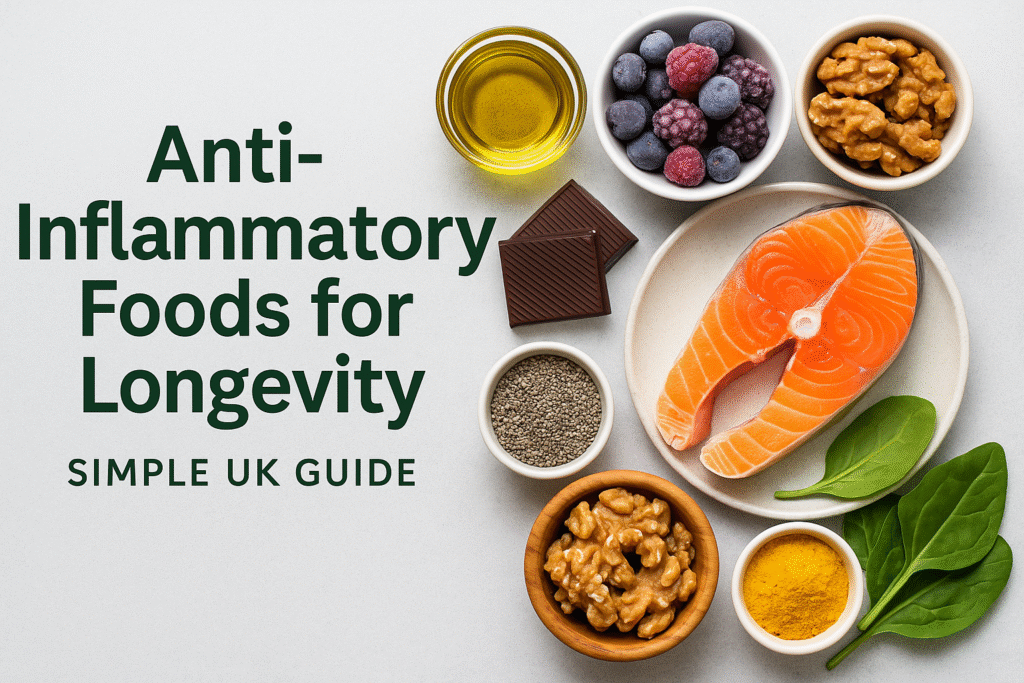
Next, pair it with: Blood Sugar and Longevity and Anti-Inflammatory Foods.
Related articles
- The Optimal Longevity Diet
- Blood Sugar and Longevity
- Anti-Inflammatory Foods
- Metabolic Flexibility (Foundations)
- Zone 2 Cardio for Longevity
If you take one thing from this…
The 80/20 rule isn’t a diet — it’s a default. Build most meals from nutrient-dense foods, then leave room for enjoyment. Over months and years, that consistency is what supports healthspan.
— Simon, Longevity Simplified
Disclaimer: This article is for educational purposes only and isn’t medical advice. If you have diabetes, an eating disorder history, or a medical condition, speak with a qualified healthcare professional before making significant dietary changes.
References
- Harvard T.H. Chan School of Public Health — Healthy Eating Plate (meal-building framework).
- General evidence base on dietary adherence and flexible restraint in long-term behaviour change (nutrition psychology / weight management literature).

Simon is the creator of Longevity Simplified, where he breaks down complex science into simple, practical habits anyone can follow. He focuses on evidence-based approaches to movement, sleep, stress and nutrition to help people improve their healthspan.