Why Walking After Meals Extends Lifespan
A 10-minute habit that improves blood sugar, metabolism, and long-term health.
Disclaimer: This article is for educational purposes only and does not replace medical advice. If you have diabetes, metabolic disease, or mobility limitations, consult a qualified professional before changing your routine.
If you want one habit that improves digestion, stabilises energy, supports weight control, and extends lifespan, it’s this: a short walk after meals.
Importantly, this simple routine has become one of the most researched longevity habits in recent years. Even better, you only need 5–10 minutes to see measurable benefits.
In this guide, you’ll learn:
- why post-meal walking is so effective for longevity
- how it improves blood sugar control and metabolic health
- the simple 10-Minute Post-Meal Formula
- easy ways to fit it into everyday life
1. The Simple Explanation
After you eat, your blood sugar naturally rises. A short walk activates your leg muscles — the largest muscles in the body — which helps pull glucose out of the bloodstream.
As a result, the post-meal “spike” is smaller, and the demand on your pancreas and insulin system is reduced.
Over time, this simple habit makes your metabolism more efficient and protects long-term health.
2. The Science (Explained Simply)
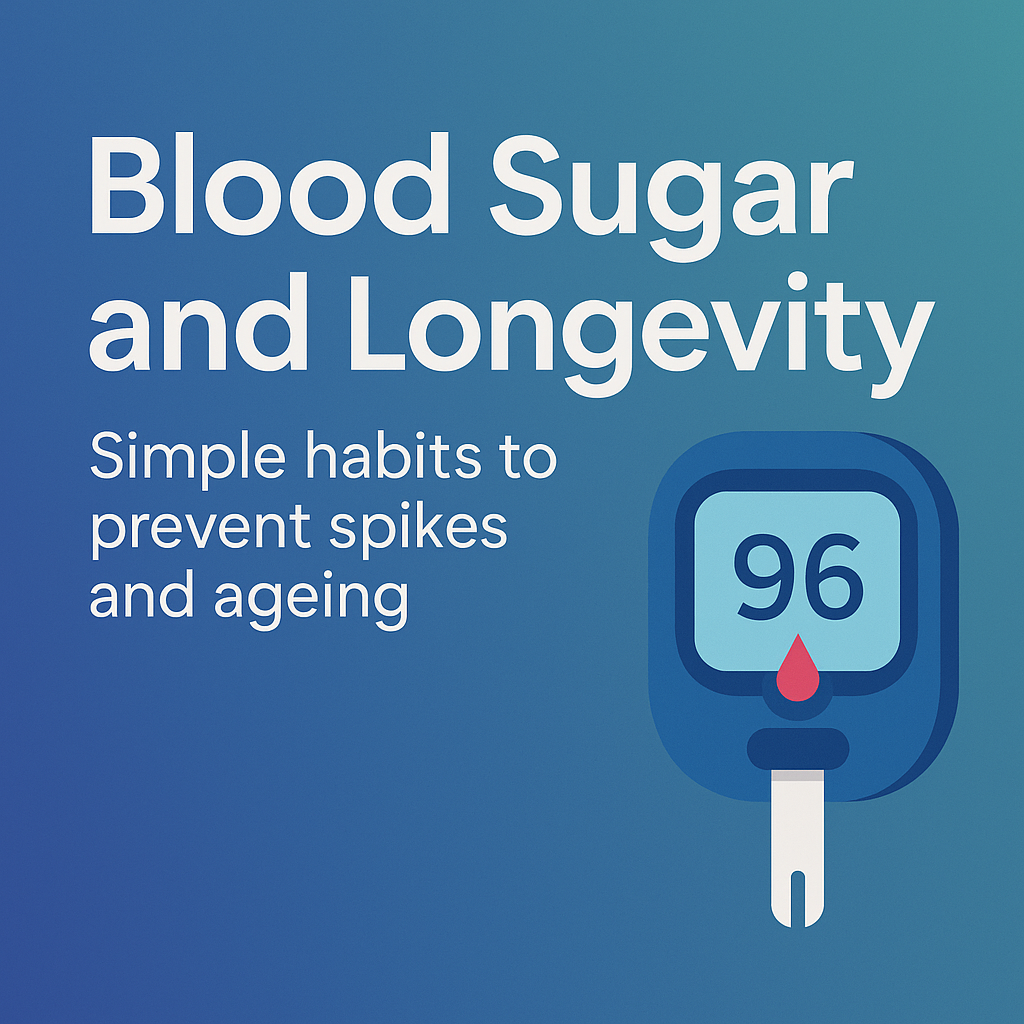
Walking after meals reduces blood sugar spikes by around 20–30%.
In practice, muscle contraction acts like a sponge, absorbing glucose with minimal insulin use.
Lower spikes mean lower inflammation.
High glucose swings accelerate cellular ageing and increase inflammatory stress.
Walking improves insulin sensitivity.
As a result, your body becomes better at managing blood sugar over time.
Stable glucose protects brain health.
Research links steadier blood sugar levels with healthier cognitive ageing and reduced dementia risk (JAMA).
Digestion improves almost immediately.
Meanwhile, gentle movement stimulates gut motility, reducing bloating and discomfort.
3. The 10-Minute Post-Meal Formula
You don’t need long walks or intense exercise. Instead, the formula is simple:
Walk for 5–10 minutes within 20 minutes of finishing your meal.
Your pace should feel:
- comfortable
- nasal-breathing friendly
- slightly brisk but not strenuous
You can apply this after:
- breakfast
- lunch
- dinner
Overall, even one post-meal walk per day delivers measurable benefits.
4. Practical Ways to Add Post-Meal Walks
- for example, walk around your home or garden
- on rainy days, do 5 minutes in a hallway
- use the walk as a boundary between work and personal time
- walk with your coffee after breakfast
- take phone calls while walking
- turn part of your lunch break into a 10-minute reset walk
5. What NOT to Do
- don’t sit immediately after eating
- don’t power-walk or push intensity
- don’t skip walks on rest days
- don’t obsess over step counts — time matters more
6. My Personal Approach
My own post-meal walking routine is intentionally simple.
- in the morning, 5–7 minutes after breakfast
- later in the day, 10 minutes after lunch
- in the evening, a gentle stroll to support sleep
Together, these short walks noticeably improve energy, digestion, and overall calm.
7. FAQs
Is 5 minutes enough?
Yes. In fact, studies show even 2–5 minutes can make a difference.
Does the pace matter?
Not much. Comfortable and sustainable works best.
What if I eat late?
A short walk can still support digestion and sleep quality.
Is walking better than standing after meals?
Yes — standing helps slightly; walking is significantly more effective.
8. UK-Specific Notes
- indoor walking works well on rainy evenings
- winter daylight makes post-lunch walks especially valuable
- most UK neighbourhoods allow safe 5–10 minute loops
If You Take One Thing From This…
A 5–10 minute walk after meals is one of the simplest and most powerful longevity habits you can build — and it starts working immediately.
Want a full metabolic health routine?
I’ve created a simple weekly structure combining walking, Zone 2, and strength training.
Related Articles
- Walking as a Longevity Superpower
- Simple Home Zone 2 Routine
- How to Calculate Your True Zone 2 Heart Rate
- Consistency Beats Intensity
- Movement for Stress & Recovery
References
- DiPietro L et al. Walking after meals and glucose control. Sports Medicine.
- Paluch AE et al. Steps per day and all-cause mortality. JAMA.
— Longevity Simplified

Simon is the creator of Longevity Simplified, where he breaks down complex science into simple, practical habits anyone can follow. He focuses on evidence-based approaches to movement, sleep, stress and nutrition to help people improve their healthspan.