Supplements • Immunity • Healthy Ageing
Vitamin D for Longevity: Dose & Timing
A clear, evidence-based guide to optimising the sunshine vitamin for immune health, mood, and healthy ageing.
Vitamin D is one of the most powerful…
Vitamin D is one of the most powerful — and most commonly deficient — nutrients for long-term health. It influences immunity, inflammation, bone strength, muscle function, mood, sleep, and even biological ageing.
In the UK, deficiency is widespread due to limited sunlight for much of the year, indoor lifestyles, and age-related changes in vitamin D synthesis. Many people operate below optimal levels without realising it.
The good news: vitamin D is simple to optimise when you understand dose, timing, and context.
In this guide, you’ll learn:
- why vitamin D matters for longevity
- the ideal blood range for long-term health
- safe, effective daily doses
- when to take vitamin D for best absorption
- whether vitamin K2 really matters
1) The simple explanation
Vitamin D behaves more like a hormone than a traditional vitamin. Once activated, it binds to receptors in nearly every tissue.
It helps regulate:
- immune defence
- inflammation
- bone and muscle strength
- mood and emotional resilience
- metabolic health
In northern latitudes, deficiency is the norm — not the exception.
2) Why vitamin D matters for ageing
Immune resilience: lower infection risk and better recovery.
Inflammation control: chronic inflammation accelerates ageing.
Muscle & bone: reduces fracture risk and sarcopenia.
Mood & sleep: linked to seasonal low mood and fatigue.
Metabolic health: supports insulin sensitivity.
3) Ideal vitamin D blood levels
Longevity-focused target:
75–125 nmol/L
- <25 nmol/L — deficient
- 25–50 nmol/L — insufficient
- 75–125 nmol/L — optimal for most adults
4) How much vitamin D should you take?
- 1,000–2,000 IU — maintenance for many adults
- 2,000–4,000 IU — winter or low baseline levels
Doses up to 4,000 IU/day are widely considered safe for long-term use in healthy adults.
5) Best time to take vitamin D
Morning or early afternoon with food.
Vitamin D signals “daytime” to the body and may interfere with sleep if taken late.
6) Should you take vitamin D with K2?
Vitamin K2 helps guide calcium into bones rather than soft tissue.
- K2 (MK-7): 90–120 µg daily
7) Quick wins
- take with food containing fat
- supplement consistently in winter
- test levels once or twice per year
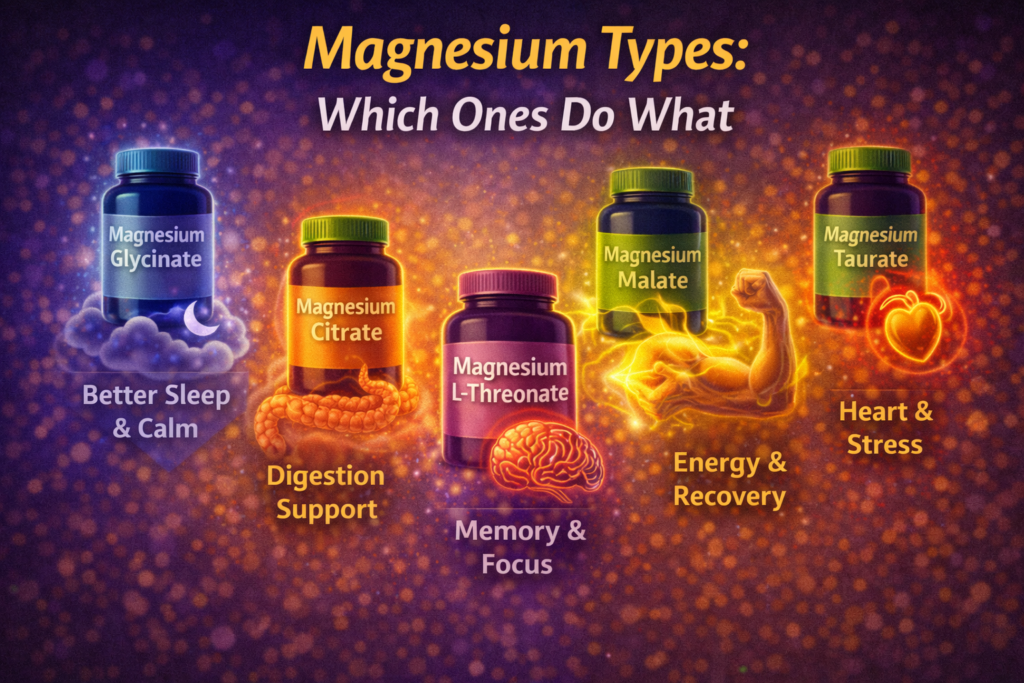
- combine with magnesium for better metabolism
8) Common mistakes
- taking it late at night
- megadosing without blood tests
- assuming UK summer sun is enough
9) My personal approach
In autumn and winter I typically use 2,000–3,000 IU daily, paired with vitamin K2 and regular outdoor light exposure.
10) FAQs
Is vitamin D safe long-term?
Yes, at standard doses with sensible monitoring.
How fast do levels rise?
Usually 8–12 weeks.
Want a simple supplement routine?
Start with the essentials and avoid hype.
References
- NHS — Vitamin D guidance
- NIH Office of Dietary Supplements — Vitamin D Fact Sheet
- Holick MF. Vitamin D deficiency. NEJM.
— Simon, Longevity Simplified
Disclaimer: Educational content only. Not medical advice.

Simon is the creator of Longevity Simplified, where he breaks down complex science into simple, practical habits anyone can follow. He focuses on evidence-based approaches to movement, sleep, stress and nutrition to help people improve their healthspan.