Ultra-Processed Foods & Ageing: How Modern Diets Accelerate Biological Decline
It’s not just what you eat — it’s how industrial processing quietly rewires metabolism, inflammation, and ageing.
Ultra-processed foods are now a dominant part of modern diets. For many people, they make up more than half of daily calorie intake.
However, growing evidence suggests that these foods do far more than add empty calories. Over time, they disrupt blood sugar control, damage gut health, increase inflammation, and accelerate biological ageing.
Importantly, this isn’t about perfection or food fear. It’s about understanding how ultra-processed foods affect the body — and how to reduce exposure without overhauling your entire life.
This guide explains:
- what ultra-processed foods actually are
- why they are linked to faster ageing
- how they affect metabolism and inflammation
- practical ways to reduce reliance on them
1. What Are Ultra-Processed Foods?
Ultra-processed foods are industrial formulations made largely from refined ingredients, additives, and flavour enhancers rather than whole foods.
They are often designed to be:
- hyper-palatable
- cheap and shelf-stable
- quick to consume
Common examples include:
- packaged snacks and sweets
- sugary drinks and energy drinks
- ready meals and frozen pizzas
- processed meats and fast food
Crucially, ultra-processed does not simply mean “unhealthy” — it refers to how far food has been altered from its original form.
2. Why Ultra-Processed Foods Accelerate Ageing
Diets high in ultra-processed foods are consistently associated with:
- higher all-cause mortality
- greater cardiovascular risk
- increased frailty in later life
- faster functional decline
Over time, these foods contribute to chronic low-grade inflammation — one of the core drivers of ageing.
Public health bodies such as the :contentReference[oaicite:0]{index=0} increasingly highlight food quality and processing as key determinants of long-term health.
From a longevity perspective, ultra-processed foods act as a constant metabolic stressor.
3. Blood Sugar, Insulin, and Metabolic Damage
Ultra-processed foods tend to be:
- low in fibre
- high in refined carbohydrates
- quickly digested
As a result, they cause rapid blood sugar spikes followed by insulin surges.
Repeated exposure to these swings increases:
- insulin resistance
- fat storage
- energy instability
→ Internal link: Blood Sugar Hacks
Over years, this metabolic pattern accelerates ageing and disease risk.
4. Gut Health and Inflammation
Your gut microbiome relies on fibre, polyphenols, and diverse plant compounds.
However, ultra-processed diets are typically low in these inputs and high in additives that disrupt gut balance.
This combination leads to:
- reduced microbial diversity
- weakened gut barrier function
- increased systemic inflammation
→ Internal links: Fibre for Longevity | Polyphenols Explained
Over time, gut dysfunction becomes a driver of whole-body ageing.
5. Why Processing Matters More Than Calories
Two diets can contain the same calories and macronutrients — yet produce very different health outcomes.
Importantly, ultra-processed foods alter:
- how quickly food is eaten
- how full you feel
- how hormones respond
- how the gut and brain communicate
This is why calorie counting alone fails to protect long-term health.
Longevity depends on the signals food sends — not just the energy it contains.
6. How to Reduce Ultra-Processed Foods in Real Life
You don’t need to eliminate them entirely.
Instead, focus on displacement rather than restriction.
- base meals around whole foods
- increase protein and fibre first
- cook simple meals more often
- treat ultra-processed foods as occasional, not default
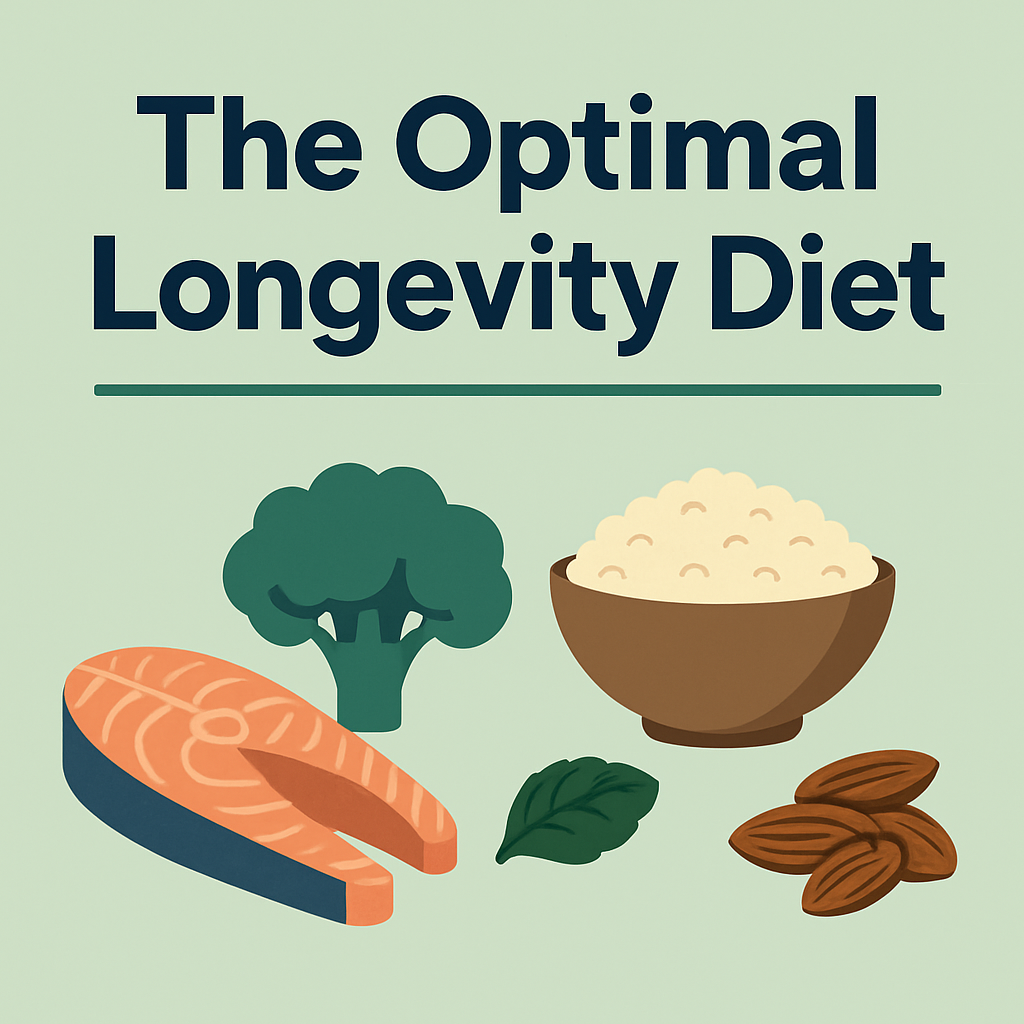
→ Internal link: Optimal Longevity Diet
Over time, taste preferences adapt and reliance naturally decreases.
7. Common Mistakes
- treating all processed food as harmful
- aiming for perfection instead of consistency
- replacing ultra-processed foods with refined “health” products
- ignoring social and practical realities
Instead, aim for a diet that is mostly real food — not rigid rules.
FAQ
Are all processed foods bad?
No. Minimally processed foods like frozen vegetables or yoghurt can be part of a healthy diet.
Is occasional fast food harmful?
No. The issue is frequency and reliance, not occasional use.
Do ultra-processed foods affect ageing even if calories are controlled?
Yes. Processing influences hormones, gut health, and inflammation beyond calorie content.
Final Takeaway
Ultra-processed foods don’t age you overnight.
However, eaten daily and by default, they quietly accelerate metabolic dysfunction, inflammation, and biological decline.
Choose real food most of the time. Build habits that support ease and consistency.
Longevity isn’t about eating perfectly — it’s about avoiding a diet that works against you every day.
References
- BMJ – Ultra-Processed Foods and Mortality
- World Health Organization – Diet and Chronic Disease
- British Journal of Nutrition – Food Processing and Health Outcomes
Disclaimer: This content is for educational purposes only and does not constitute medical advice. Always consult a qualified healthcare professional before making major dietary changes.

Simon is the creator of Longevity Simplified, where he breaks down complex science into simple, practical habits anyone can follow. He focuses on evidence-based approaches to movement, sleep, stress and nutrition to help people improve their healthspan.