Restorative Rest Days: Why Recovery Is a Longevity Skill, Not Time Off
Rest days aren’t about doing nothing — they’re about restoring the systems that keep you resilient as you age.
Part of: Sleep & Recovery Hub | Core guide: How to Improve Sleep for Longevity | Main pillar: Recovery & Restoration Blueprint
In fitness culture, rest days are often treated as a weakness.
People either skip them entirely or collapse into passive inactivity when burnout hits.
However, from a longevity perspective, rest days are neither optional nor lazy. They are a deliberate tool for maintaining physical capacity, nervous system balance, and long-term resilience.
This guide explains:
- why recovery matters more as you age
- what actually happens during effective rest
- how to structure restorative rest days
- how to avoid turning rest into deconditioning
Quick links in this hub: Recovery & Restoration Blueprint | Deep Sleep Guide | Caffeine Cut-Off Times
1. Why Rest Days Matter for Longevity
Training breaks tissue down. Recovery is when adaptation happens.
As we age, recovery capacity often declines faster than strength or motivation. This means:
- muscles may repair more slowly
- connective tissue becomes less forgiving
- nervous system stress can accumulate faster
Without sufficient recovery, even “healthy” exercise can quietly increase injury risk, fatigue, and hormonal stress.
Longevity isn’t built by doing more — it’s built by recovering better.
Coming soon in the Recovery Skills & Rest Days cluster: active recovery vs rest, deload weeks explained, overtraining signs, and sleep vs training when life gets busy.
2. What Happens During Recovery
Effective rest supports multiple biological systems at once.
During restorative recovery:
- muscle protein repair and remodelling occur
- glycogen stores are replenished
- connective tissue adapts
- the nervous system downshifts into parasympathetic mode
Importantly, this process is disrupted by poor sleep, chronic stress, and constant stimulation.
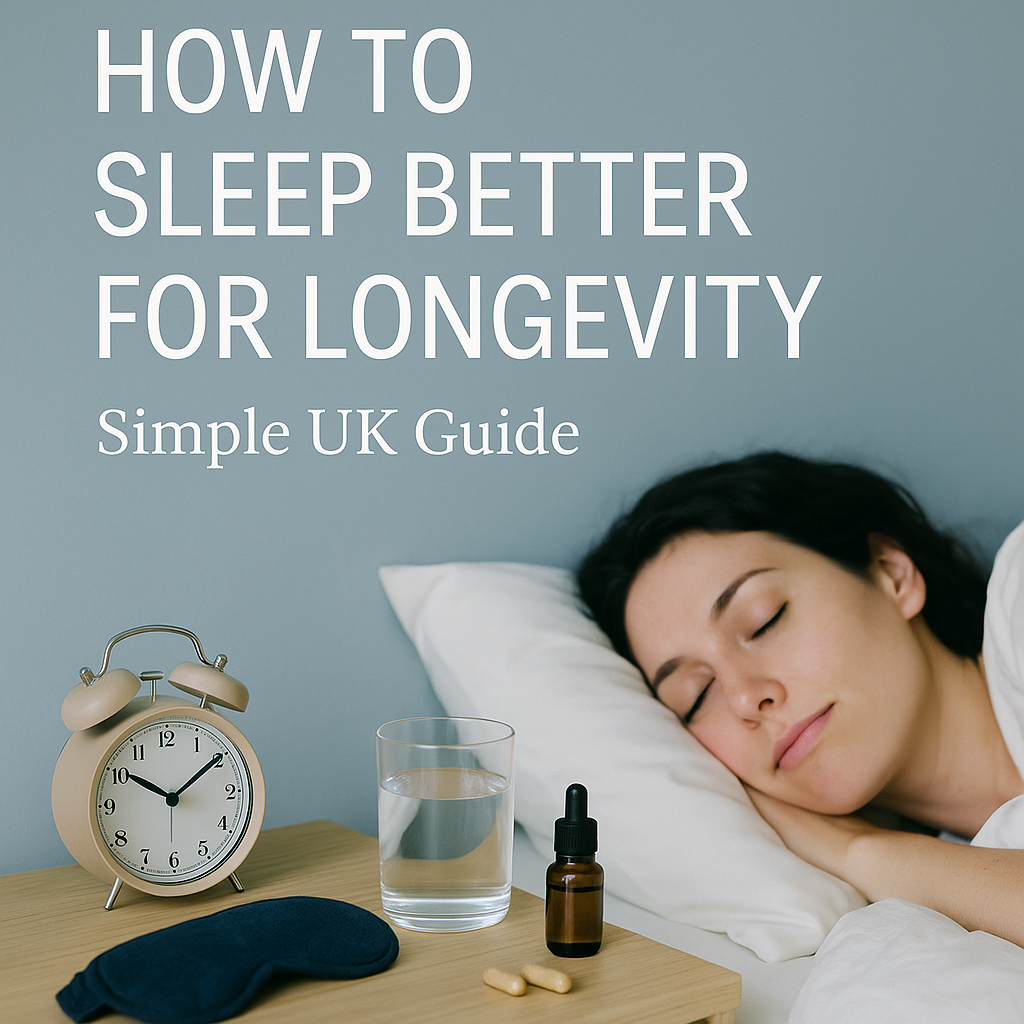
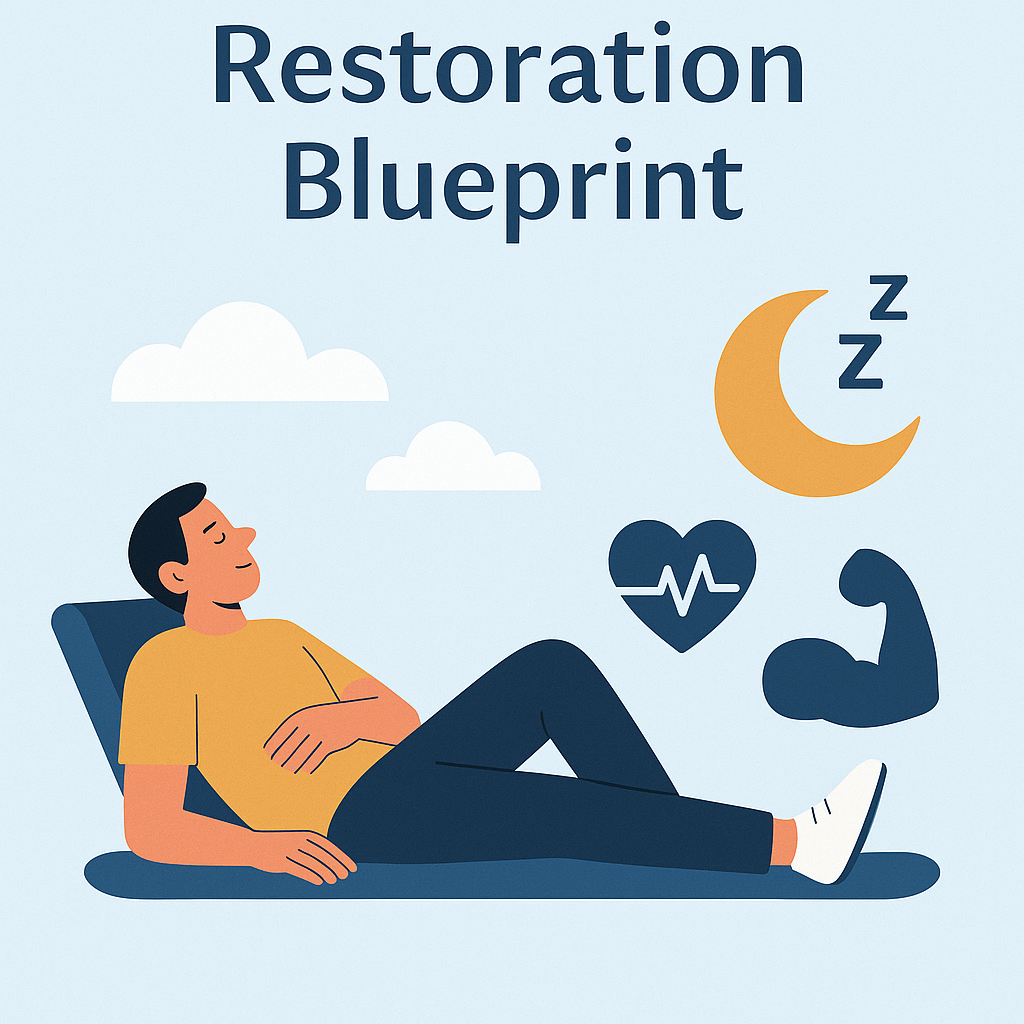
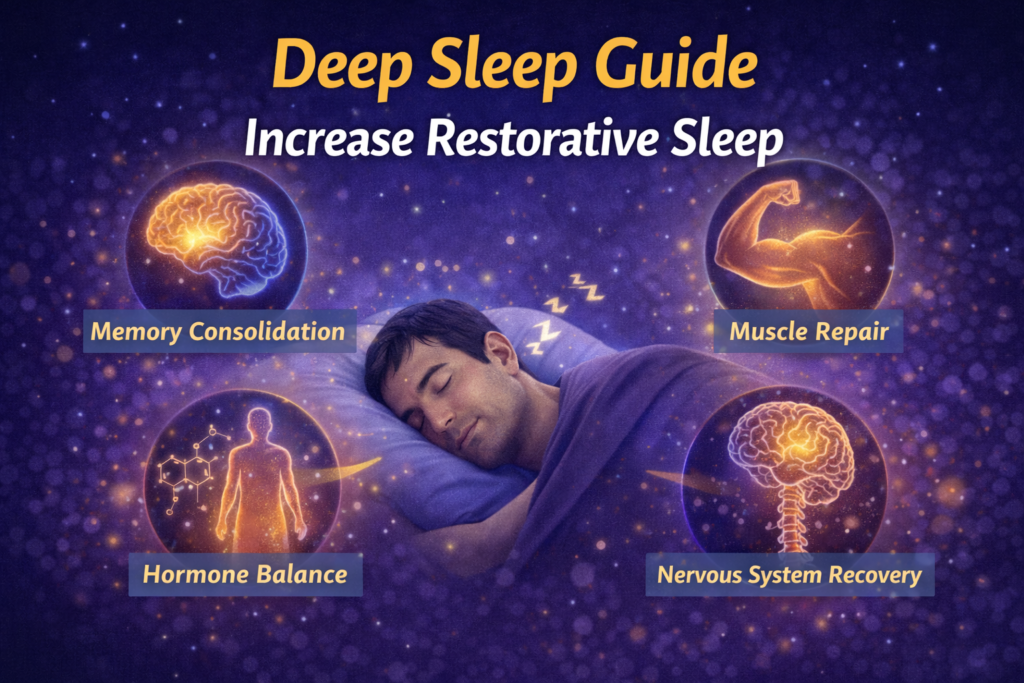
If sleep is the limiting factor, start here: How to Improve Sleep for Longevity. If your sleep is “fine” but you still feel run down, work through the system: Recovery & Restoration Blueprint.
3. Rest vs Doing Nothing
A common mistake is equating rest with inactivity.
True restorative rest is active in the right ways and passive in others.
Helpful rest-day activities include:
- easy walking or light cycling
- mobility and joint circles
- breathing exercises
- time outdoors
These support circulation, joint health, and nervous system recovery without adding stress.
Related (sleep side): Morning Light Guide (circadian stability supports recovery).
4. How to Structure a Restorative Rest Day
A longevity-focused rest day has intention.
Movement
- 20–60 minutes of easy movement
- no heart-rate targets
- nasal breathing where possible
Nervous System
- slow breathing (4–6 breaths per minute)
- reduced screen stimulation
- unhurried meals
Sleep Support
- consistent bedtime
- earlier caffeine cut-off
- evening light reduction
Helpful links: How to Improve Sleep for Longevity | Caffeine Cut-Off Times | Morning Light Guide | Deep Sleep Guide
Coming soon: evening light & screens (how to reduce circadian disruption without going extreme).
5. How Often You Need Rest Days
Rest frequency depends on age, training load, and life stress.
General longevity guidelines:
- at least 1–2 restorative days per week
- more if training intensely or under high stress
- planned rest beats forced rest after injury
As intensity rises, recovery must scale with it.
If you’re building training structure, your movement framework will sit under the Movement & Strength hub.
6. Common Recovery Mistakes
- turning rest days into hard “active recovery” workouts
- using rest days for errands and mental overload
- ignoring sleep quality
- waiting until injured to rest
Instead, view recovery as scheduled maintenance.
FAQ
Can I still walk on rest days?
Yes. Walking supports recovery and circulation.
Do rest days slow progress?
No. They enable adaptation and reduce setbacks.
Does recovery matter more with age?
Yes. Recovery capacity often declines faster than motivation or strength, so planning it becomes more important.
Final Takeaway
Rest days are not a pause from progress.
However, without them, progress eventually stalls or reverses.
Move gently. Downshift the nervous system. Protect sleep.
Longevity is built as much on recovery as it is on training.
References
- Sports medicine literature on recovery, adaptation, and training load management
- Gerontology research on physical stress, injury risk, and ageing physiology
- NHS guidance on exercise, rest, and injury prevention
Disclaimer: This content is for educational purposes only and does not constitute medical advice. Always consult a qualified professional before making major changes to your exercise routine.

Simon is the creator of Longevity Simplified, where he breaks down complex science into simple, practical habits anyone can follow. He focuses on evidence-based approaches to movement, sleep, stress and nutrition to help people improve their healthspan.