Processed Meat & Longevity: What the Evidence Actually Shows
Separating risk, context, and exaggeration in the processed meat debate.
← Back to: The Longevity Nutrition Blueprint
Processed meat is consistently flagged as a health risk — but the conversation is often confusing.
Headlines range from “eat any processed meat and you’ll shorten your life” to “the risk is overblown and meaningless.” Neither framing is particularly helpful.
The evidence sits in the middle.
This guide explains:
- what counts as processed meat
- what the evidence actually shows about longevity
- why risk depends on dose and context
- how to approach processed meat without fear or rigidity
What Is Processed Meat?
Processed meat refers to meat that has been preserved or flavoured through methods such as curing, smoking, salting, or adding preservatives.
Common examples include:
- bacon
- sausages
- ham
- salami and other cured meats
This category is distinct from fresh, unprocessed red meat.
What Does the Evidence Show?
Large observational studies consistently link higher processed meat intake with increased risk of:
- cardiovascular disease
- type 2 diabetes
- overall mortality
The World Health Organization classifies processed meat as carcinogenic based on associations with colorectal cancer.
However, it’s important to understand what this means:
- the increased risk is relative, not absolute
- risk rises with higher intake
- occasional consumption carries far less impact than daily intake
These findings are similar in strength to other dietary risk factors and should be interpreted in context.
Why Processed Meat May Increase Risk
Several mechanisms may explain the observed associations:
- nitrites and nitrates used in curing
- heme iron, which may promote oxidative stress
- advanced glycation and oxidation products from processing and cooking
- high sodium content
Importantly, no single component acts alone.
Risk appears to emerge from the combination of processing, additives, and overall dietary pattern — not meat itself in isolation.
Dose, Diet Quality, and Context
Processed meat rarely appears in isolation.
Higher intake is often part of a broader pattern that includes:
- low fibre intake
- high ultra-processed food consumption
- lower fruit and vegetable intake
This context matters.
When diets are rich in fibre, polyphenols, and omega-3 fats, the relative impact of occasional processed meat is likely smaller.
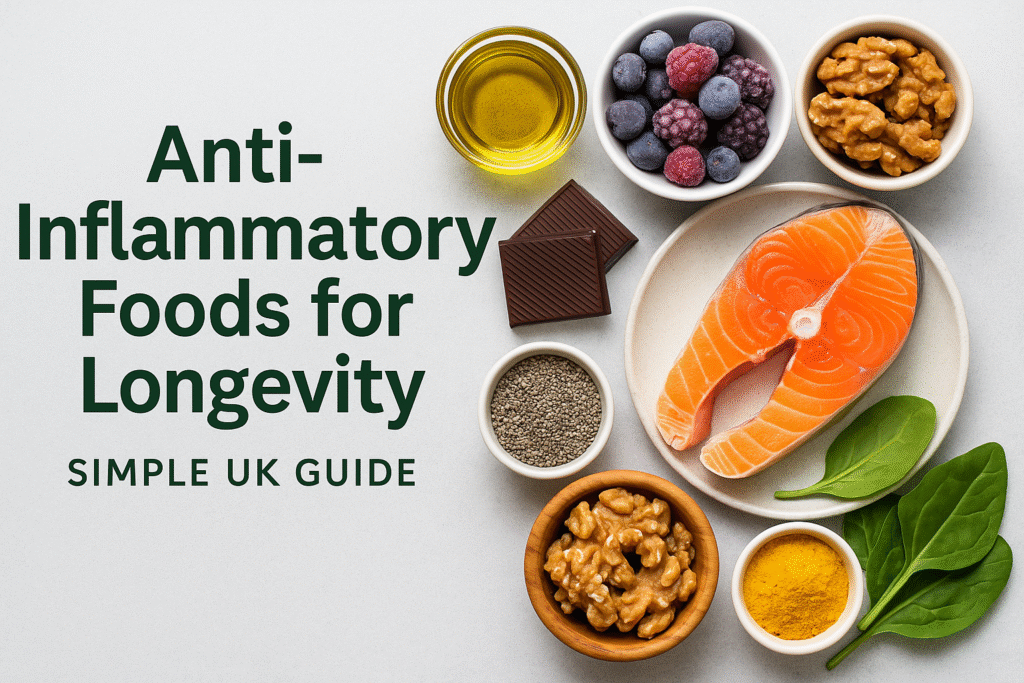
This mirrors the broader principles outlined in ultra-processed foods & ageing and anti-inflammatory foods.
What This Means in Practice
A longevity-focused approach doesn’t require elimination.
Practical guidance includes:
- treat processed meat as an occasional food, not a staple
- prioritise fresh, minimally processed protein sources
- pair meat with fibre-rich, plant-heavy meals
- avoid daily reliance on processed meats for convenience
This pattern reduces risk while preserving flexibility and enjoyment.
Frequently Asked Questions
Is processed meat worse than unprocessed red meat?
Yes. Evidence consistently shows higher risk with processed forms.
Does cooking method matter?
Yes. High heat and charring may increase harmful compounds.
Is organic or nitrate-free processed meat safer?
Possibly slightly better, but still best treated as occasional.
The Longevity Takeaway
Processed meat is associated with higher health risk — but context matters.
The risk rises with frequency and poor overall diet quality, not occasional enjoyment.
By prioritising whole foods, fibre, and anti-inflammatory patterns, you can minimise risk without rigid restriction — a core principle of the Longevity Nutrition Blueprint.
References
- Bouvard V et al. “Carcinogenicity of the consumption of red and processed meat.” The Lancet Oncology. 2015.
- Schwingshackl L et al. “Food groups and risk of all-cause mortality.” American Journal of Clinical Nutrition. 2017.
Disclaimer: This article is for educational purposes only and does not replace medical advice.

Simon is the creator of Longevity Simplified, where he breaks down complex science into simple, practical habits anyone can follow. He focuses on evidence-based approaches to movement, sleep, stress and nutrition to help people improve their healthspan.