Prebiotics Explained: The Foods That Feed Good Bacteria
Why feeding your gut matters more than adding more bacteria.
← Back to: The Longevity Nutrition Blueprint
When people think about gut health, probiotics usually steal the spotlight.
But in practice, the long-term health of your microbiome depends far more on prebiotics — the foods that feed beneficial bacteria already living in your gut.
Without the right fuel, even the “best” bacteria struggle to survive.
This guide explains:
- what prebiotics actually are
- how they support gut and immune health
- why food-based prebiotics outperform supplements
- how prebiotics fit into longevity-focused nutrition
What Are Prebiotics?
Prebiotics are types of dietary fibre and plant compounds that resist digestion in the small intestine.
Instead of being absorbed, they reach the large intestine where they are fermented by gut bacteria.
This fermentation process feeds beneficial microbes and supports a healthier gut ecosystem.
Prebiotics are naturally found in many plant foods — especially those eaten regularly in traditional diets.
How Prebiotics Work in the Gut
When gut bacteria ferment prebiotic fibres, they produce short-chain fatty acids (SCFAs) such as butyrate.
SCFAs:
- support the gut lining
- reduce low-grade inflammation
- improve insulin sensitivity
- support immune regulation
This process helps explain why fibre-rich diets are consistently linked to lower risk of metabolic and inflammatory disease.
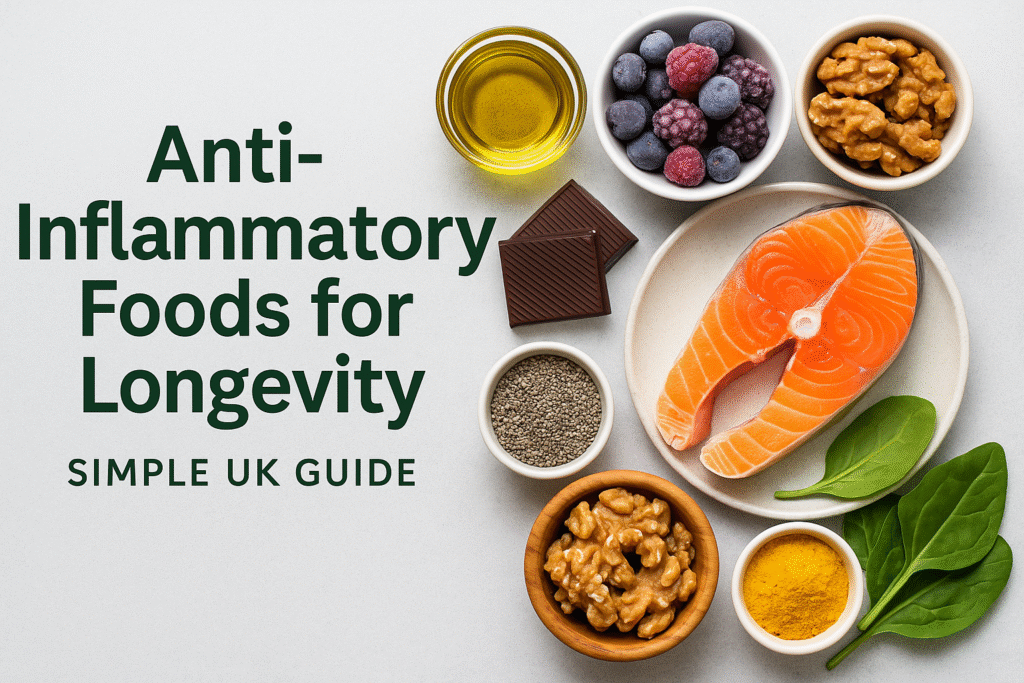
It also connects gut health to themes explored in anti-inflammatory foods and blood sugar and longevity.
Best Food Sources of Prebiotics
You don’t need exotic foods or supplements to feed your gut.
Common prebiotic-rich foods include:
- onions and garlic
- leeks and asparagus
- oats and barley
- legumes
- bananas (especially slightly underripe)
Many polyphenol-rich foods also have prebiotic effects, reinforcing the overlap with polyphenols explained.
Why Diversity Matters More Than Quantity
Different bacteria prefer different fibres.
Eating a wide range of plant foods feeds a wider range of microbes — increasing microbiome diversity.
This diversity is one of the strongest markers associated with resilience, metabolic health, and longevity.
This is why strategies like the 30 plants a week approach are so effective.
Large single doses of one fibre are far less useful than consistent variety.
Prebiotic Supplements: Helpful or Hype?
Prebiotic supplements can help in specific situations — such as very low fibre intake or clinical gut issues.
However, they:
- lack the diversity of whole foods
- can cause bloating if introduced too quickly
- don’t provide broader nutritional benefits
For most people, food-based prebiotics are more effective and sustainable.
This mirrors the food-first logic discussed in polyphenols vs supplements.
Frequently Asked Questions
Are prebiotics the same as fibre?
All prebiotics are fibre, but not all fibre is prebiotic.
Can prebiotics cause bloating?
Yes — especially if increased too quickly.
Do I need both prebiotics and probiotics?
Prebiotics are foundational; probiotics are optional.
The Longevity Takeaway
Gut health starts with feeding the bacteria you already have.
Prebiotic-rich foods support microbial diversity, reduce inflammation, and strengthen metabolic health — all key pillars of longevity.
By prioritising variety and consistency over supplements, you build a gut ecosystem that supports long-term resilience.
This food-first, systems-based approach sits at the heart of the Longevity Nutrition Blueprint.
References
- Gibson GR et al. “Dietary prebiotics: current status and new definition.” Food Science & Technology Bulletin. 2017.
- Makki K et al. “The impact of dietary fiber on gut microbiota.” Cell Host & Microbe. 2018.
Disclaimer: This article is for educational purposes only and does not replace medical advice.

Simon is the creator of Longevity Simplified, where he breaks down complex science into simple, practical habits anyone can follow. He focuses on evidence-based approaches to movement, sleep, stress and nutrition to help people improve their healthspan.