Polyphenols vs Supplements: When Food Wins
Why whole foods usually outperform isolated compounds for longevity.
← Back to: The Longevity Nutrition Blueprint
Polyphenols are often described as one of the most powerful dietary tools for reducing inflammation and supporting longevity.
They’re linked to better metabolic health, lower cardiovascular risk, and healthier ageing — which has led to a surge in polyphenol supplements promising similar benefits in capsule form.
But here’s the key question:
Do isolated polyphenol supplements actually work the same way as polyphenol-rich foods?
This guide explains:
- what polyphenols really do in the body
- why food sources behave differently from supplements
- when supplements may help — and when they don’t
- how to prioritise polyphenols for longevity without complexity
What Are Polyphenols?
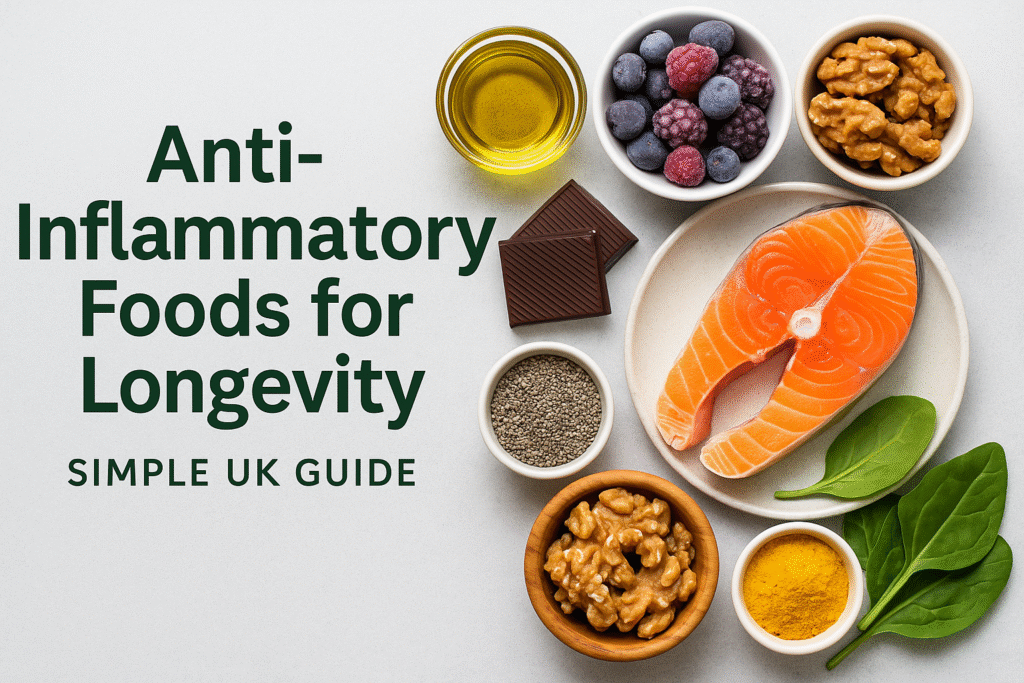
Polyphenols are plant compounds found in foods like:
- berries
- olive oil
- tea and coffee
- dark chocolate
- vegetables, herbs, and spices
They act as signalling molecules rather than direct antioxidants.
Instead of “neutralising free radicals” outright, polyphenols stimulate the body’s own protective systems — a process often described as hormesis.
This signalling effect is why polyphenol-rich diets are consistently linked to lower inflammation and better long-term health.
A deeper overview is covered in polyphenols explained.
Polyphenols in Food vs Supplements
In whole foods, polyphenols arrive as part of a complex package.
They’re consumed alongside:
- fibre
- healthy fats
- micronutrients
- hundreds of other plant compounds
Supplements isolate one or two compounds — often at doses far higher than food would provide.
This changes how polyphenols interact with the body.
Food delivers diversity and synergy. Supplements deliver concentration and simplicity.
Bioavailability and Synergy
Many polyphenols have low direct bioavailability.
That’s not a flaw — it’s part of how they work.
In food:
- polyphenols reach the gut largely intact
- they interact with microbes
- metabolites are produced gradually
In supplement form:
- absorption can be unpredictable
- high doses may bypass natural signalling pathways
- benefits don’t always scale with dose
This is one reason supplement trials often show mixed or disappointing results compared with food-based studies.
Polyphenols and the Gut Microbiome
One of the most important — and underappreciated — roles of polyphenols is their interaction with the gut microbiome.
Polyphenols:
- feed beneficial bacteria
- increase microbial diversity
- reduce gut-driven inflammation
This gut-mediated pathway helps explain why whole-food polyphenols consistently outperform supplements.
It also explains the overlap between polyphenol intake and benefits seen in gut health and the microbiome.
When Supplements May Help
Supplements aren’t useless — they’re just situational.
They may help when:
- dietary diversity is very low
- specific compounds are being studied therapeutically
- access to polyphenol-rich foods is limited
Even then, supplements should support — not replace — a food-first approach.
Longevity benefits emerge from patterns, not isolated compounds.
Frequently Asked Questions
Are polyphenol supplements harmful?
Not usually — but more is not always better.
Is red wine a good polyphenol source?
It contains polyphenols, but alcohol changes the equation.
Do I need to track polyphenols?
No. Variety naturally delivers them.
The Longevity Takeaway
Polyphenols matter — but how you get them matters more.
Whole foods provide diversity, synergy, and gut-mediated benefits that supplements rarely replicate.
Supplements can play a supporting role, but food remains the foundation.
This food-first philosophy runs throughout the Longevity Nutrition Blueprint and underpins sustainable, inflammation-lowering nutrition for long-term health.
References
- Manach C et al. “Polyphenols: food sources and bioavailability.” American Journal of Clinical Nutrition. 2004.
- Scalbert A et al. “Dietary polyphenols and the gut microbiota.” Critical Reviews in Food Science and Nutrition. 2014.
Disclaimer: This article is for educational purposes only and does not replace medical advice.

Simon is the creator of Longevity Simplified, where he breaks down complex science into simple, practical habits anyone can follow. He focuses on evidence-based approaches to movement, sleep, stress and nutrition to help people improve their healthspan.