Polyphenols Explained: How Plant Compounds Support Longevity and Healthy Ageing
Polyphenols don’t act like vitamins — they work through your gut, your cells, and your stress response to slow ageing from the inside out.
Polyphenols are rarely discussed outside nutrition science circles. Yet they are one of the most powerful — and misunderstood — components of a longevity-focused diet.
Importantly, polyphenols are not nutrients in the traditional sense. You don’t become “deficient” in them. Instead, they act as biological signals that influence inflammation, metabolism, and cellular resilience.
Populations with the highest intake of polyphenol-rich foods consistently show lower rates of chronic disease and healthier ageing.
This guide explains:
- what polyphenols actually are
- why they matter for longevity
- how they interact with the gut microbiome
- how to increase intake through real foods
1. What Polyphenols Really Are
Polyphenols are naturally occurring compounds found in plants. They help protect plants from stress, pests, and environmental damage.
When you eat them, they interact with your biology in subtle but powerful ways.
Polyphenols are broadly grouped into categories such as:
- flavonoids (found in berries, tea, cocoa)
- phenolic acids (found in coffee and whole grains)
- stilbenes (such as resveratrol in grapes)
- lignans (found in seeds and whole grains)
Crucially, polyphenols work best as part of whole foods — not as isolated extracts.
2. Why Polyphenols Matter for Longevity
High polyphenol intake is consistently associated with lower risk of:
- cardiovascular disease
- type 2 diabetes
- neurodegenerative decline
- all-cause mortality
As a result, polyphenols are often considered one of the protective factors behind Mediterranean and Blue Zone-style diets.
Public health guidance from organisations such as the :contentReference[oaicite:0]{index=0} highlights fruit, vegetables, and plant diversity as key drivers of long-term health — largely because of fibre and polyphenols working together.
From a longevity perspective, polyphenols act less like fuel and more like regulators.
3. Polyphenols and the Gut Microbiome
Many polyphenols are poorly absorbed in the small intestine.
Instead, they reach the colon, where gut bacteria metabolise them into smaller, bioactive compounds.
This creates a two-way relationship:
- polyphenols feed beneficial microbes
- microbes convert polyphenols into usable signals
Over time, this interaction supports:
- greater microbial diversity
- lower gut permeability
- reduced systemic inflammation
→ Internal link: Fibre for Longevity
4. Inflammation, Stress, and Cellular Ageing
Chronic low-grade inflammation is one of the core drivers of ageing.
Importantly, polyphenols help regulate inflammatory pathways and oxidative stress — not by eliminating them, but by improving how the body responds.
Rather than acting as direct antioxidants, many polyphenols activate your body’s own defence systems.
This is one reason they are linked to improved metabolic flexibility, brain health, and resilience under stress.
→ Internal link: Stress and Longevity
5. Best Sources of Polyphenols
Polyphenols are found almost exclusively in plant foods, especially those with strong colours or bitterness.
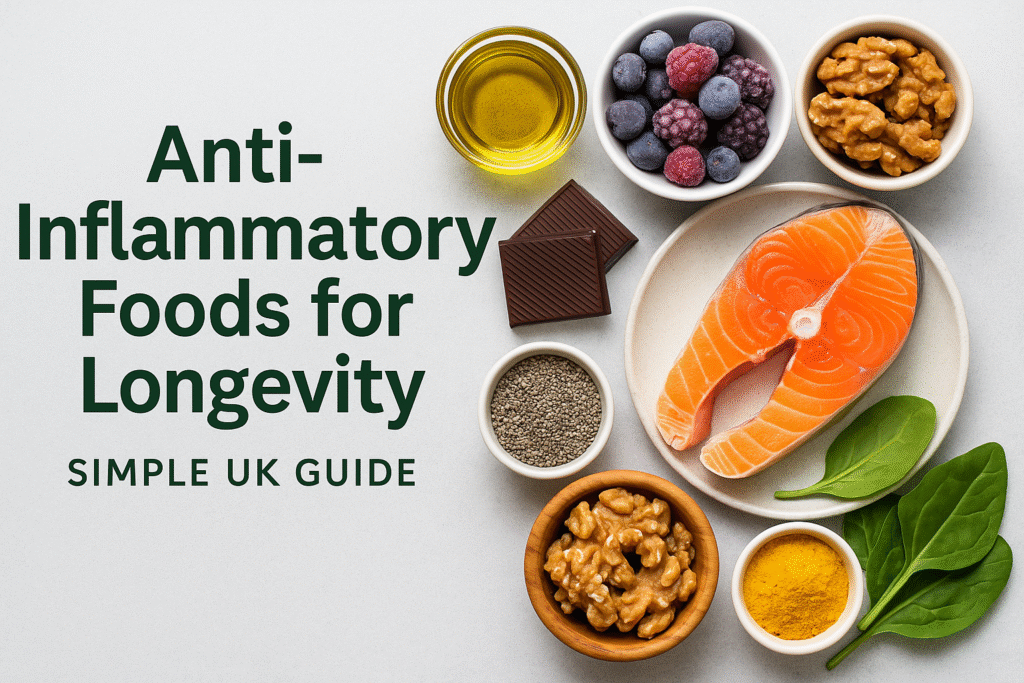
- berries (blueberries, blackberries)
- olive oil (extra virgin)
- dark chocolate and cocoa
- green and black tea
- coffee
- herbs, spices, and leafy greens
Notably, diversity matters more than any single “superfood.”
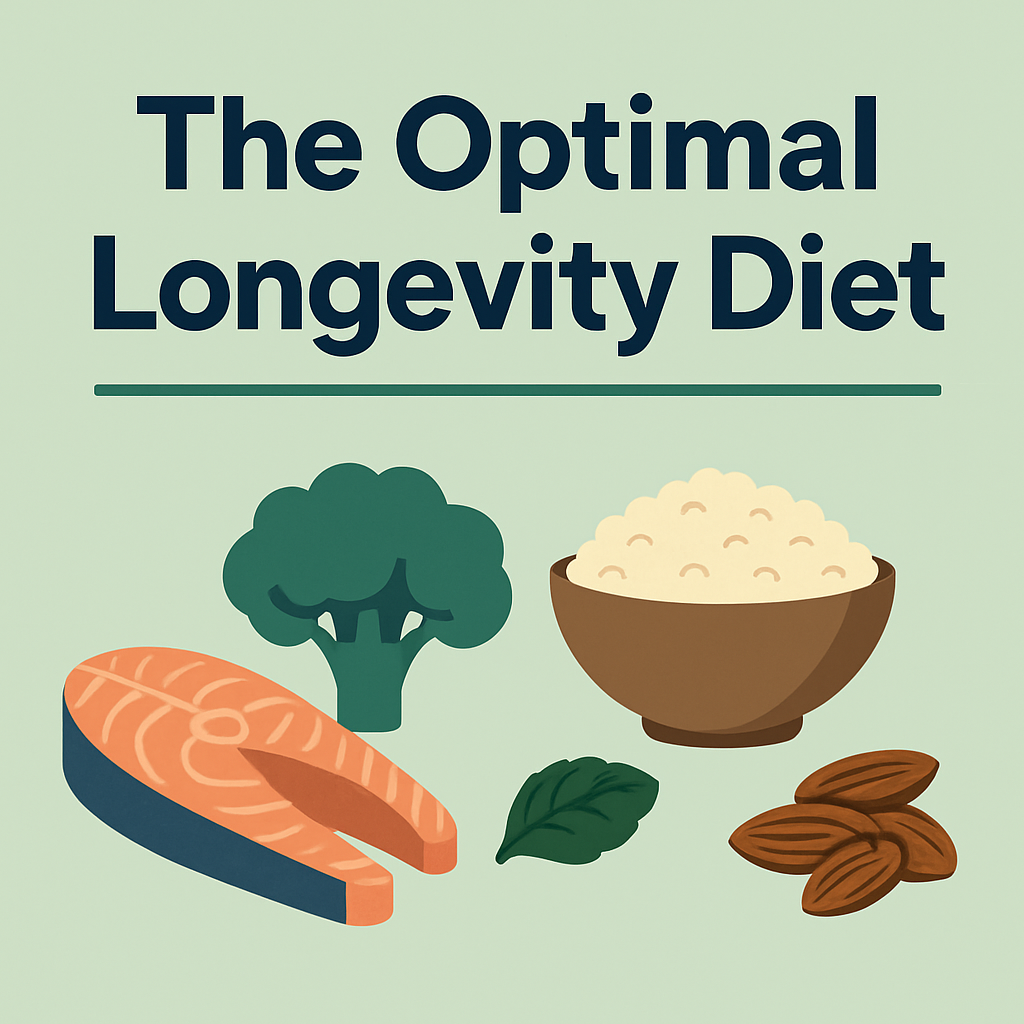
→ Internal link: Optimal Longevity Diet
6. How Much Do You Need?
There is no official recommended intake for polyphenols.
In practice, people who eat a wide variety of plants naturally consume far more polyphenols than those on ultra-processed diets.
A useful rule of thumb is to aim for:
- colour variety across meals
- regular inclusion of bitter and aromatic plants
- whole foods rather than refined products
Supplements are rarely necessary when diet quality is high.
FAQ
Are polyphenols the same as antioxidants?
No. While related, polyphenols primarily act as signalling molecules rather than simple antioxidants.
Is red wine a good polyphenol source?
It contains polyphenols, but alcohol has trade-offs. Whole food sources are more reliable.
Do polyphenols help brain health?
Yes. Many polyphenol-rich diets are associated with slower cognitive decline.
Final Takeaway
Polyphenols are one of the quiet foundations of healthy ageing.
However, their power comes from consistency, variety, and food quality — not from chasing individual compounds.
Eat more plants. Embrace colour and bitterness. Support your gut.
Longevity is built on signals as much as calories — and polyphenols are key messengers.
References
- British Journal of Nutrition – Polyphenols and Health
- Nature Reviews – Polyphenols and Ageing
- NHS – Plant-Based Foods and Health
Disclaimer: This content is for educational purposes only and does not constitute medical advice. Always consult a qualified healthcare professional before making major dietary changes.

Simon is the creator of Longevity Simplified, where he breaks down complex science into simple, practical habits anyone can follow. He focuses on evidence-based approaches to movement, sleep, stress and nutrition to help people improve their healthspan.