Omega-3 for Longevity: Why These Fats Matter More Than You Think
Omega-3s are small molecules with outsized impact on inflammation, brain health and ageing — and most people aren’t getting enough.
Omega-3s (especially EPA and DHA) are one of the rare nutrition topics that show up again and again in longevity conversations for a reason: they sit at the intersection of inflammation control, cell membrane health, and cardiovascular + brain resilience.
And yet, most people still treat omega-3 like a “nice-to-have” — the supplement you might take if you remember, or the nutrient you assume you get “sometimes” from fish. Meanwhile, long-term studies consistently link higher circulating omega-3 levels with lower risk of premature death, including cardiovascular causes. :contentReference[oaicite:0]{index=0}
In practice, omega-3 is less about chasing a magic pill and more about making a simple weekly pattern that quietly shifts your biology in the right direction.
In this guide, you’ll learn:
- what omega-3s actually do (without jargon)
- why EPA and DHA matter more than plant omega-3 alone
- how omega-3 influences inflammation, membranes, the heart, and the brain
- a simple “UK-friendly” omega-3 routine you can stick to
- how to supplement safely (and when not to)
1. The Simple Explanation
Omega-3s are essential fats. Your body can’t make enough of them, so you have to get them from food (best) or supplements (sometimes useful).
For longevity, two omega-3s do the heavy lifting:
- EPA (eicosapentaenoic acid) — strongly linked to inflammation pathways and cardiovascular markers
- DHA (docosahexaenoic acid) — structural “building material” for the brain, eyes, and nervous system
When your omega-3 status is decent, your body is more capable of:
- resolving inflammation instead of letting it smoulder
- keeping cell membranes flexible (better signalling and resilience)
- supporting heart rhythm, triglycerides, and vascular function
- protecting brain structure over the long term
When it’s low, the opposite tends to show up: more background inflammation, poorer metabolic flexibility, and a higher likelihood of “ageing faster than you need to.” (Not overnight — but gradually, and that’s the point.)
2. Why Omega-3 Matters for Ageing
A. It’s one of the most consistent nutrition signals tied to survival
Large observational analyses show that higher circulating levels of marine omega-3s (EPA/DHA) are associated with lower risk of premature death (including cardiovascular causes). That doesn’t prove omega-3 is the only reason — but it’s a strong, repeatable signal. :contentReference[oaicite:1]{index=1}
B. It improves the “terrain” ageing happens in
Ageing is heavily influenced by your baseline environment: chronic inflammation, oxidative stress, and metabolic dysfunction. Omega-3s don’t replace the basics (sleep, movement, whole foods), but they can make those basics work better by nudging inflammation and membrane signalling in a healthier direction.
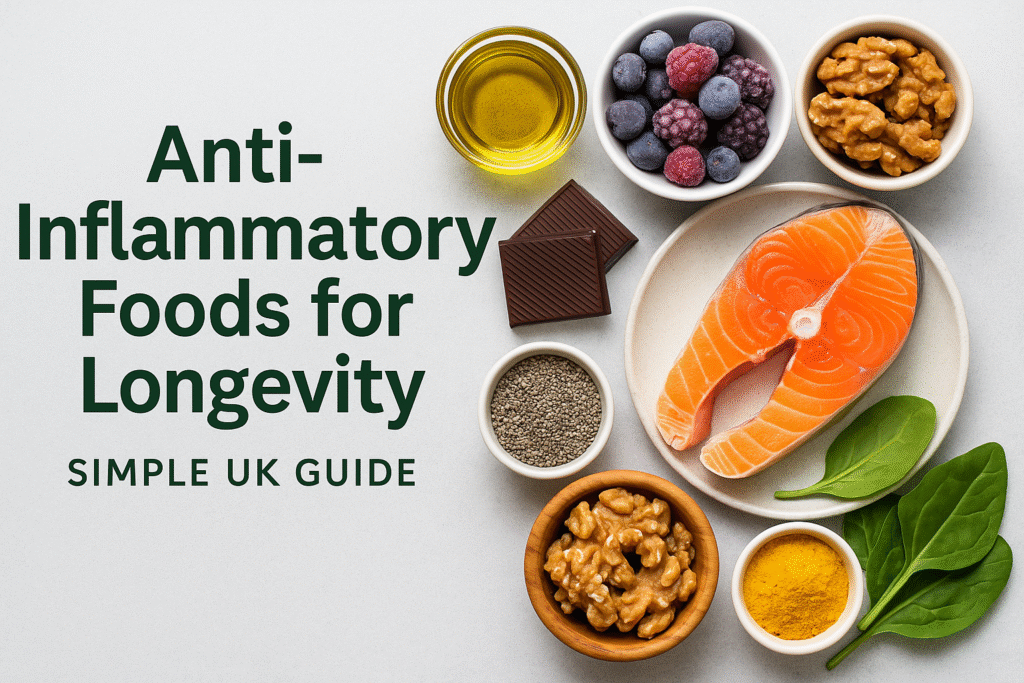
If you’re already building meals around the Anti-Inflammatory Foods cluster, omega-3 is one of the easiest “high leverage” upgrades.
3. Omega-3 and Inflammation Resolution (SPMs)
Most people think inflammation is either “on” or “off.” In reality, your body has active systems designed to switch inflammation off properly once the job is done.
EPA and DHA help form specialised pro-resolving mediators (SPMs) — including resolvins, protectins, and maresins — which are involved in orchestrating the resolution phase of inflammation. :contentReference[oaicite:2]{index=2}
This matters because unresolved inflammation is one of the drivers of “inflamm-ageing” — the slow simmer that quietly damages tissues over decades.
Practical translation: omega-3 supports a body that can mount an inflammatory response when needed — and then land the plane rather than circling for hours.
4. Omega-3 Index: the “Longevity Biomarker” Idea
The Omega-3 Index is a blood measure based on EPA + DHA levels in red blood cell membranes. It’s been proposed as a useful risk marker (especially for cardiovascular outcomes), and more recent discussions continue to argue for its clinical utility. :contentReference[oaicite:3]{index=3}
Importantly, you don’t need a test to benefit from omega-3 — but if you like data, it can be a helpful “are my habits working?” check-in.
My experience: whenever I tighten up my routine to “two oily fish meals per week + nuts/seeds most days,” it’s one of the few nutrition habits that feels noticeable — better joint comfort, steadier mood, and fewer “creaky” days. It’s subtle, but it compounds.
5. Food Sources: the Highest-Leverage Options
A. Best sources of EPA + DHA (the ones that count most)
Fatty fish are the most direct, reliable source of EPA and DHA. A good baseline reference list is the NIH Office of Dietary Supplements omega-3 fact sheet. :contentReference[oaicite:4]{index=4}
- salmon (fresh or tinned)
- mackerel
- sardines
- herring
- anchovies
UK reality: tinned sardines/mackerel/salmon are often the easiest “busy person” solution. Cheap, fast, and surprisingly effective.
B. Plant omega-3 (ALA): helpful, but not the same
Plant omega-3 (ALA) is still worth eating, but conversion into EPA/DHA is limited for many people. So think of ALA as supportive, not the main event.
- ground flaxseed
- chia seeds
- walnuts
- hemp seeds
If you’re fully plant-based, algae-derived EPA/DHA is the most direct substitute (more on that below).
6. A Simple Weekly Omega-3 Plan (UK)
This is the version that works even if you’re busy and not trying to “optimize everything.”
The “2 + 5” structure
- 2 meals/week: oily fish (e.g., salmon one day, sardines/mackerel another)
- 5 days/week: add one omega-3 support food (chia/flax/walnuts) to breakfast
Easy meal ideas
- Sardines on toast + side salad + olive oil
- Mackerel rice bowl + cucumber + frozen veg + chilli/ginger
- Salmon traybake + root veg + olive oil
- Greek yoghurt + berries + ground flax (simple “omega-3 habit” breakfast)
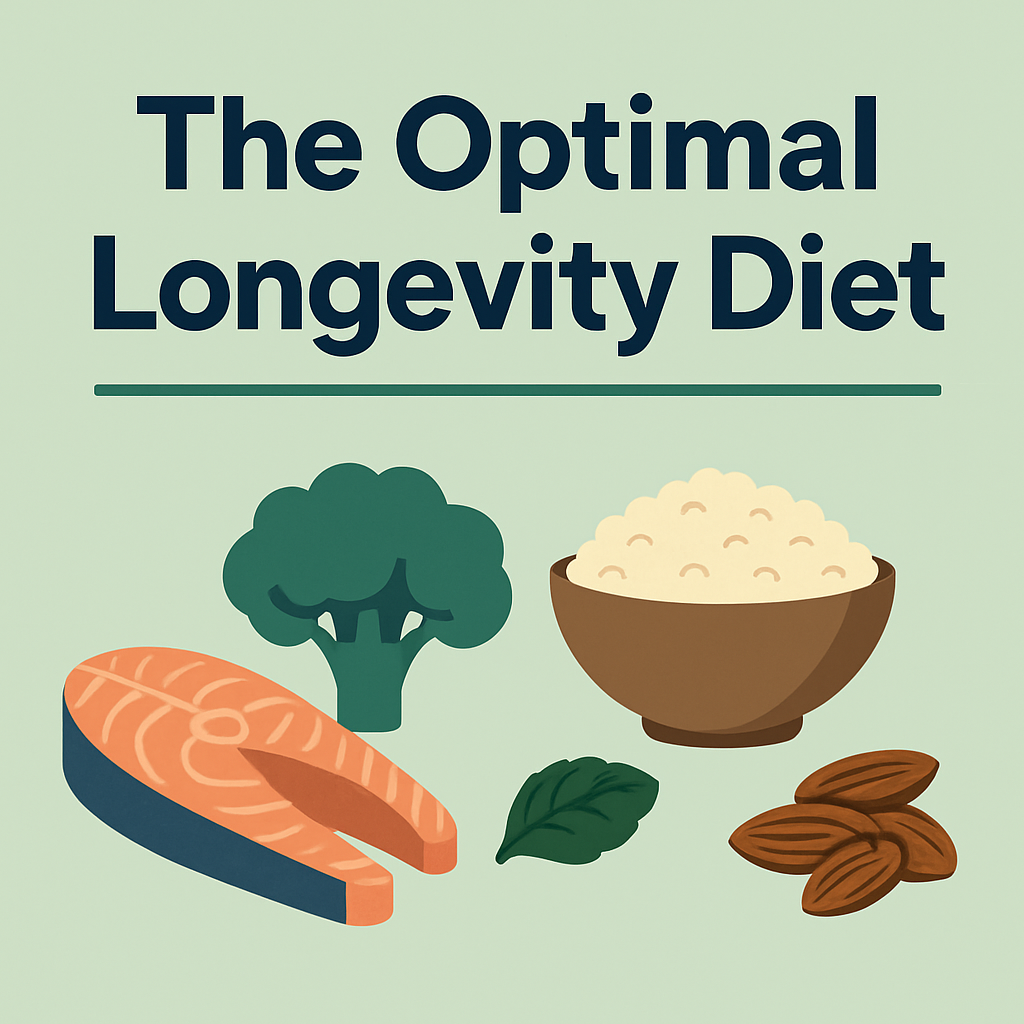
Pair this with Anti-Inflammatory Foods and The Optimal Longevity Diet for the “big picture” pattern.
7. Omega-3 Supplements: When They Help, How to Choose
Food first is still the gold standard. However, supplements can be useful if:
- you rarely eat oily fish
- you’re plant-based (algae omega-3 is the cleanest option)
- you’re targeting specific outcomes like triglycerides under clinical supervision
What to look for on the label
- EPA + DHA amount (ignore “fish oil 1000mg” unless it shows the actual EPA/DHA breakdown)
- quality testing (third-party testing / purity claims where available)
- freshness (fish oil that smells strongly “fishy” can indicate oxidation/rancidity — not what you want)
A safety note that most pages skip
At higher supplemental doses, randomized trial meta-analyses have found an increased risk of atrial fibrillation (AF), especially above ~1 g/day in some analyses. That doesn’t mean “never supplement” — it means don’t mega-dose casually, and talk to a clinician if you have heart rhythm issues or risk factors. :contentReference[oaicite:5]{index=5}
Also: if you’re on anticoagulants/blood thinners, have bleeding risk, or are managing cardiovascular conditions, this is firmly in “GP / clinician first” territory.
If you want the bigger supplement picture (UK-focused), start here: Best Supplements for Longevity (UK).
8. Omega-3 vs Omega-6: Getting the Balance Right
Omega-6 isn’t “bad” — it’s essential. The issue is modern diets often skew heavily toward omega-6-rich ultra-processed foods, while omega-3 intake stays low.
So the practical goal is not “eliminate omega-6.” It’s:
- increase omega-3 frequency (fish + nuts/seeds)
- reduce ultra-processed fats where you can
- use olive oil as your default fat more often
This pairs naturally with stable blood sugar habits too (because ultra-processed foods often hit both problems at once). If you want the simple habit version: Blood Sugar and Longevity.
9. Quick Wins
- Add tinned sardines/mackerel to lunch once this week.
- Put ground flax or chia next to your cereal/yoghurt so you actually remember it.
- Swap one processed snack for walnuts + fruit a few times per week.
- Default to olive oil for dressings instead of “seed-oil-heavy” bottled sauces.
- If you never eat fish, consider algae EPA/DHA — but discuss dosing with a clinician if you have medical conditions.
10. FAQs
Can I get enough omega-3 from plants alone?
You can get ALA from plants, but conversion to EPA/DHA is limited for many people. Algae-derived EPA/DHA is the most direct plant-based substitute.
How often should I eat oily fish?
UK guidance encourages at least one portion of oily fish weekly for the general population, with certain groups advised to limit oily fish to no more than two portions weekly (e.g., pregnancy-related guidance). Check NHS guidance if that applies to you. :contentReference[oaicite:6]{index=6}
Is cod liver oil the same as fish oil?
Not exactly. Cod liver oil includes vitamins A and D, which changes how you should think about dosing and safety. If you’re taking vitamin D separately, be extra cautious and follow product guidance/clinical advice.
Do I need an omega-3 test?
Not essential. But if you’re “data-driven,” the Omega-3 Index concept is a reasonable marker to discuss with a clinician, and it’s often used in research and risk conversations. :contentReference[oaicite:7]{index=7}
Want the simplest anti-inflammatory eating structure?
If you do nothing else, build meals around the Anti-Inflammatory Plate and add omega-3 foods as a weekly anchor habit.
Related Articles
- Anti-Inflammatory Foods for Longevity
- The Optimal Longevity Diet
- Blood Sugar and Longevity
- Best Supplements for Longevity (Simple UK Guide)
- Stress and Longevity
Disclaimer
This article is for educational purposes only and is not medical advice. If you have a medical condition, are pregnant, take anticoagulants/blood thinners, or have a history of heart rhythm problems (including atrial fibrillation), speak with a qualified clinician before changing your diet or using omega-3 supplements.
References
- Harris WS et al. “Blood n-3 fatty acid levels and total and cause-specific mortality…” Nature Communications (2021). :contentReference[oaicite:8]{index=8}
- O’Keefe EL et al. “Circulating DHA and risk of all-cause mortality…” Mayo Clinic Proceedings (2024). :contentReference[oaicite:9]{index=9}
- NIH Office of Dietary Supplements — Omega-3 Fatty Acids Fact Sheet (Health Professionals). :contentReference[oaicite:10]{index=10}
- NHS — Fish and shellfish: nutrition + oily fish guidance (including limits for certain groups). :contentReference[oaicite:11]{index=11}
- Basil MC & Levy BD. “Specialized pro-resolving mediators…” Nature Reviews Immunology (2016). :contentReference[oaicite:12]{index=12}
- Duvall MG & Levy BD. “DHA- and EPA-derived resolvins, protectins, maresins…” (review). :contentReference[oaicite:13]{index=13}
- Gencer B et al. “Effect of long-term marine omega-3 fatty acids on atrial fibrillation…” Circulation (2021). :contentReference[oaicite:14]{index=14}
- Harris WS. “Recent studies confirm the utility of the omega-3 index.” Current Opinion in Clinical Nutrition & Metabolic Care (2025). :contentReference[oaicite:15]{index=15}
— Simon, Longevity Simplified

Simon is the creator of Longevity Simplified, where he breaks down complex science into simple, practical habits anyone can follow. He focuses on evidence-based approaches to movement, sleep, stress and nutrition to help people improve their healthspan.