Microbiome Diversity: The “30 Plants a Week” Guide
Why variety matters more than perfection for gut health and longevity.
← Back to: The Longevity Nutrition Blueprint
If there’s one gut health guideline that consistently outperforms complicated plans, it’s this:
Aim for around 30 different plant foods per week.
This isn’t a diet, a detox, or a rigid target. It’s a simple proxy for microbiome diversity — one of the strongest markers linked to resilience, metabolic health, and healthy ageing.
This guide explains:
- what microbiome diversity really means
- why variety matters more than fibre grams
- how the 30 plants rule works in practice
- how to apply it without tracking stress
What Is Microbiome Diversity?
Your gut microbiome is made up of trillions of microbes — bacteria, fungi, and other organisms.
Diversity refers to how many different species are present, not just how many total microbes you have.
Higher diversity is consistently associated with:
- better metabolic health
- lower chronic inflammation
- greater resilience to stress and illness
Low diversity, by contrast, is linked with many modern chronic conditions.
Why Diversity Matters for Longevity
Different microbes perform different jobs.
A diverse microbiome:
- produces a wider range of beneficial metabolites
- responds better to dietary changes
- resists overgrowth of harmful species
This is why diets associated with longevity — including Mediterranean and traditional diets — consistently emphasise variety rather than restriction.
Diversity works alongside the mechanisms discussed in prebiotics explained and fermented foods for longevity.
The 30 Plants a Week Rule Explained
The “30 plants a week” guideline comes from large observational datasets showing that people who eat a wider variety of plants have more diverse microbiomes.
It’s not about hitting an exact number.
It’s about shifting focus from:
- “What should I eliminate?”
- to “What can I add this week?”
This additive mindset supports consistency and enjoyment — two underrated drivers of long-term health.
What Counts as a “Plant”?
Each distinct plant food counts once per week.
This includes:
- vegetables
- fruit
- legumes
- whole grains
- nuts and seeds
- herbs and spices
Examples:
- spinach and kale count separately
- mixed seeds count individually
- coffee and dark chocolate can count
Portion size matters less than exposure.
How to Hit 30 Without Overthinking
You don’t need perfect meals.
Simple strategies include:
- rotating vegetables week to week
- adding seeds or herbs to meals
- using mixed vegetables and legumes
- varying fruit across the week
Many people reach 20–25 plants without trying — the final few come from variety, not effort.
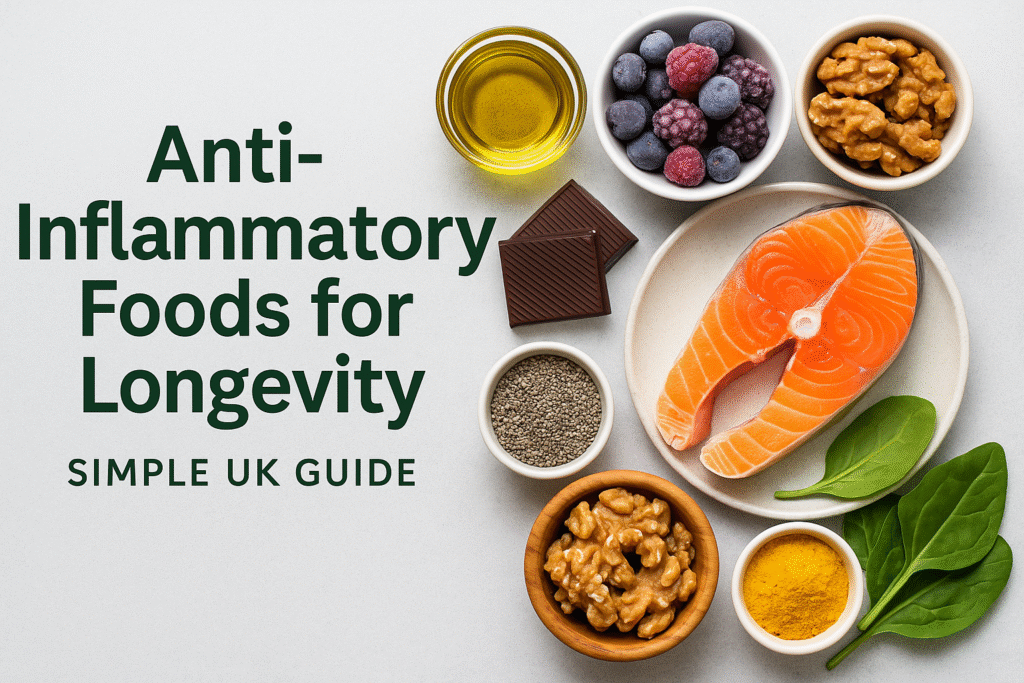
This naturally complements guidance in fibre for longevity and anti-inflammatory foods.
Frequently Asked Questions
Do I need exactly 30 plants?
No. More variety is better than perfection.
Does meat or fish count?
No — but they can coexist alongside plant diversity.
Is this suitable for low-carb or omnivorous diets?
Yes. It’s additive, not restrictive.
The Longevity Takeaway
Microbiome diversity is one of the most powerful — and overlooked — drivers of long-term health.
The 30 plants a week guideline offers a simple, flexible way to support that diversity without tracking, supplements, or restriction.
By prioritising variety over perfection, you build a gut ecosystem that supports resilience, metabolism, and healthy ageing — exactly the goal of the Longevity Nutrition Blueprint.
References
- McDonald D et al. “American Gut: an open platform for citizen science microbiome research.” mSystems. 2018.
- Johnson AJ et al. “Daily sampling reveals personalized diet–microbiome associations.” Cell Host & Microbe. 2019.
Disclaimer: This article is for educational purposes only and does not replace medical advice.

Simon is the creator of Longevity Simplified, where he breaks down complex science into simple, practical habits anyone can follow. He focuses on evidence-based approaches to movement, sleep, stress and nutrition to help people improve their healthspan.