Iron & Ferritin for Longevity: Why Both Low and High Levels Can Accelerate Ageing
Iron is essential for life — but too little or too much can quietly undermine health, energy, and longevity.
Iron is one of the most misunderstood nutrients in health and longevity.
On one side, low iron can cause fatigue, weakness, and impaired cognitive and physical performance. On the other, excess iron can drive oxidative stress, inflammation, and tissue damage.
Importantly, ferritin — the body’s iron storage marker — is often more informative than iron intake alone.
This guide explains:
- what iron and ferritin actually do
- why imbalance matters for longevity
- who is at risk of low or high iron
- how to manage iron intelligently
1. What Iron and Ferritin Do
Iron is essential for oxygen transport, energy production, and cellular metabolism.
It plays key roles in:
- haemoglobin and oxygen delivery
- mitochondrial energy production
- immune function
- cognitive performance
Ferritin is a blood marker that reflects stored iron. While iron levels can fluctuate daily, ferritin provides a more stable picture of iron status.
Crucially, ferritin also rises during inflammation — which means context matters when interpreting results.
2. Why Iron Balance Matters for Longevity
Iron is a double-edged sword.
Too little iron reduces oxygen delivery and energy production. Too much iron accelerates oxidative stress and cellular damage.
From a longevity perspective, excess iron is particularly concerning because it can:
- increase oxidative damage
- promote inflammation
- contribute to cardiovascular disease
- accelerate neurodegenerative processes
Health guidance from organisations such as the :contentReference[oaicite:0]{index=0} emphasises appropriate diagnosis and monitoring rather than blanket supplementation.
3. Low Iron: Symptoms and Risks
Iron deficiency is common — especially in certain groups.
Symptoms may include:
- persistent fatigue
- shortness of breath
- poor exercise tolerance
- brain fog and low mood
Importantly, low iron reduces physical capacity, which can indirectly accelerate ageing by limiting movement and activity.
→ Internal link: Exercises for Longevity
4. High Ferritin: The Hidden Risk
High ferritin is often overlooked unless extreme.
However, elevated ferritin can reflect:
- iron overload
- chronic inflammation
- metabolic dysfunction
- liver stress
Men and post-menopausal women are particularly prone to iron accumulation.
Over time, excess stored iron may increase cardiovascular and neurodegenerative risk.
→ Internal link: Blood Sugar Hacks
5. Who Should Pay Close Attention
Iron status deserves extra attention if you:
- experience unexplained fatigue
- are vegetarian or vegan
- are a menstruating woman
- are male or post-menopausal
- have metabolic syndrome or fatty liver
In these cases, blood testing is far more informative than assumptions.
6. How to Manage Iron for Longevity
A longevity-focused approach to iron prioritises balance.
- test ferritin before supplementing
- avoid routine iron supplementation without need
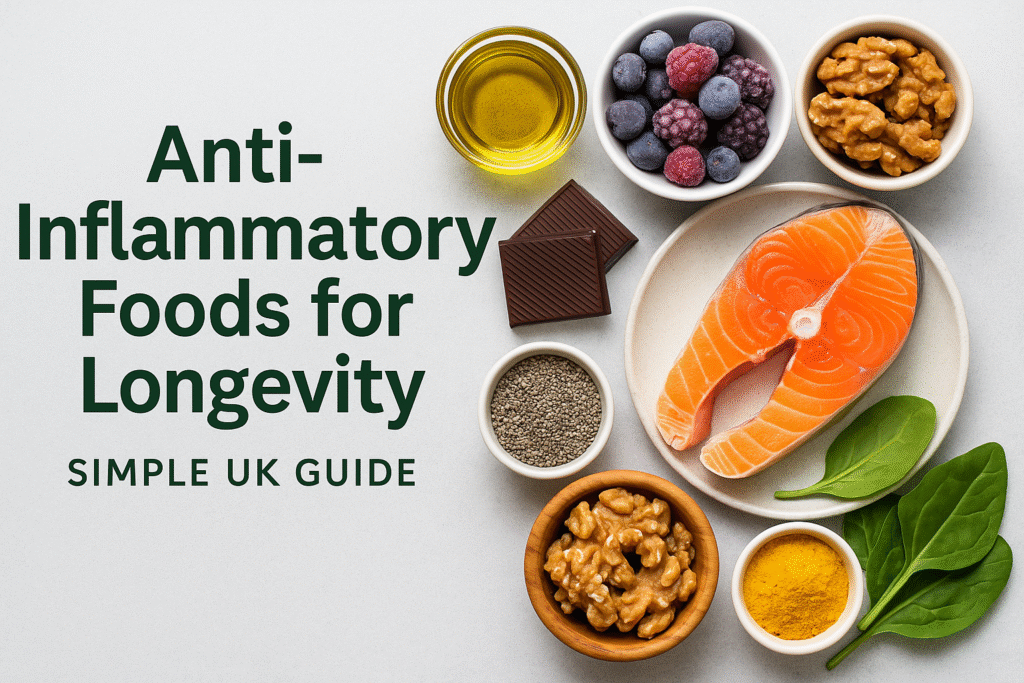
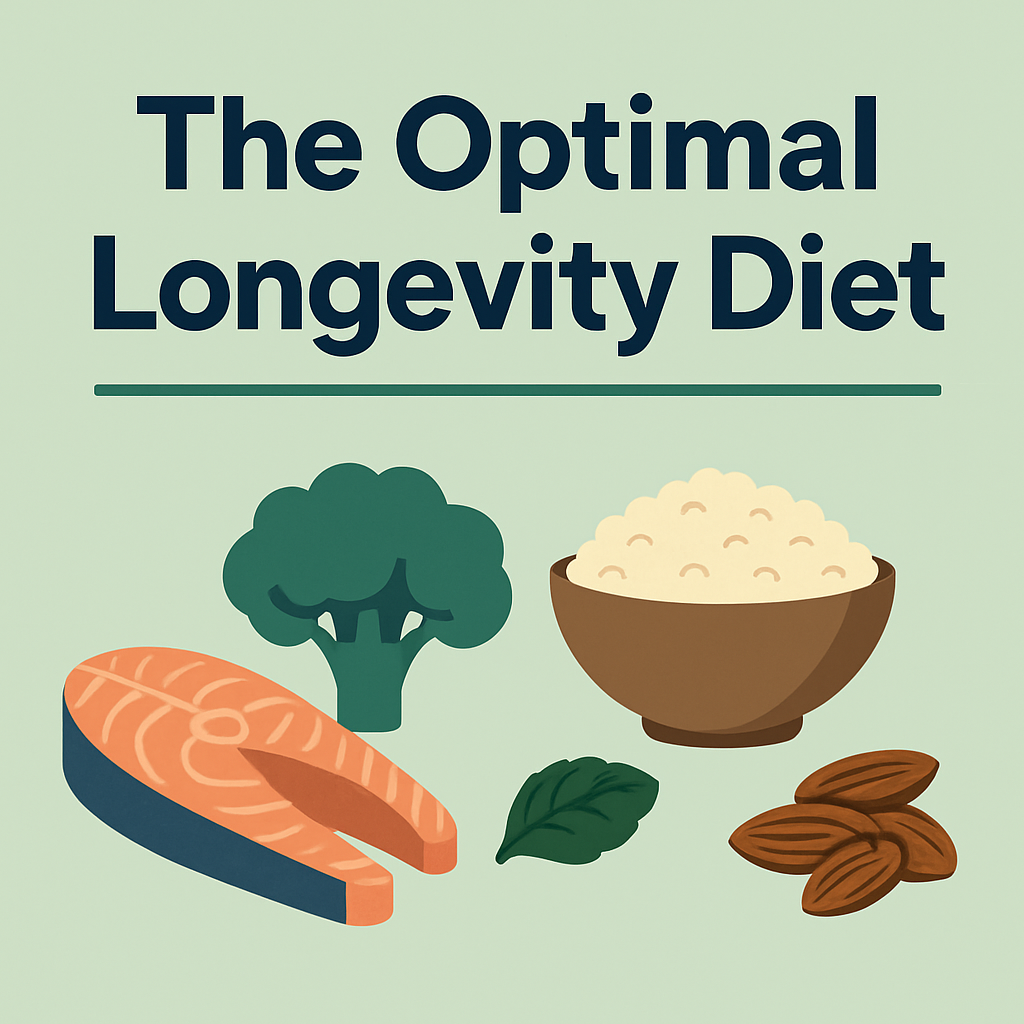
- consume iron from whole foods first
- pair plant iron with vitamin C
In cases of high ferritin, strategies may include:
- addressing inflammation
- improving metabolic health
- medical guidance on blood donation
→ Internal links: Optimal Longevity Diet | Stress and Longevity
7. Common Mistakes
- taking iron “just in case”
- ignoring ferritin levels
- assuming fatigue always equals low iron
- focusing on iron intake instead of iron balance
Instead, longevity is best supported by informed monitoring and targeted action.
FAQ
What is an optimal ferritin level for longevity?
There is no single ideal number, but mid-range levels are generally associated with better outcomes than extremes.
Should men avoid iron supplements?
Most men do not need supplemental iron unless deficiency is confirmed.
Can high ferritin always mean too much iron?
No. Ferritin can rise due to inflammation, infection, or metabolic stress.
Final Takeaway
Iron is essential — but balance is everything.
However, both deficiency and excess can quietly undermine longevity if left unchecked.
Test before supplementing. Address inflammation. Use data, not assumptions.
Longevity isn’t about more nutrients — it’s about the right amount, at the right time.
References
- BMJ – Ferritin, Iron, and Mortality
- Journal of Gerontology – Iron and Ageing
- NHS – Iron Deficiency and Overload
Disclaimer: This content is for educational purposes only and does not constitute medical advice. Always consult a qualified healthcare professional before supplementing iron or interpreting blood test results.

Simon is the creator of Longevity Simplified, where he breaks down complex science into simple, practical habits anyone can follow. He focuses on evidence-based approaches to movement, sleep, stress and nutrition to help people improve their healthspan.