Fibre for Longevity: Why This Overlooked Nutrient Matters More Than You Think
Fibre doesn’t just support digestion — it feeds your gut, stabilises blood sugar, and lowers the risk of chronic disease as you age.
Fibre rarely gets the attention it deserves. It isn’t trendy, it isn’t sold as a supplement miracle, and it doesn’t promise rapid results.
However, fibre is one of the most consistently linked dietary factors to lower mortality, better metabolic health, and healthier ageing.
In practice, most adults consume far less fibre than recommended — especially in modern, ultra-processed diets.
This guide explains:
- what fibre actually is
- why it matters so much for longevity
- how fibre supports gut and metabolic health
- how to increase fibre intake without digestive issues
1. What Fibre Really Is
Dietary fibre is the part of plant foods that your body cannot fully digest.
Instead of being absorbed, fibre passes through the digestive system where it plays several crucial roles.
Broadly, fibre is grouped into:
- Soluble fibre: forms a gel-like substance that slows digestion
- Insoluble fibre: adds bulk and supports regular bowel movements
Importantly, many fibre-rich foods contain both types, along with compounds that feed beneficial gut bacteria.
2. Why Fibre Matters for Longevity
High-fibre diets are consistently associated with lower risk of:
- cardiovascular disease
- type 2 diabetes
- colon cancer
- all-cause mortality
As a result, fibre intake is often used as a marker of overall diet quality.
Public health guidance from organisations such as the :contentReference[oaicite:0]{index=0} highlights fibre as a cornerstone of long-term health, yet intake remains low across most age groups.
From a longevity perspective, fibre supports multiple systems at once — digestion, metabolism, inflammation, and gut health.
3. Fibre, the Gut, and Healthy Ageing
Your gut microbiome changes with age, often becoming less diverse.
Crucially, fibre is the primary fuel for beneficial gut bacteria. When these bacteria ferment fibre, they produce short-chain fatty acids that support:
- gut barrier integrity
- immune regulation
- reduced systemic inflammation
Lower fibre intake starves these microbes, while higher intake helps maintain a more resilient gut ecosystem.
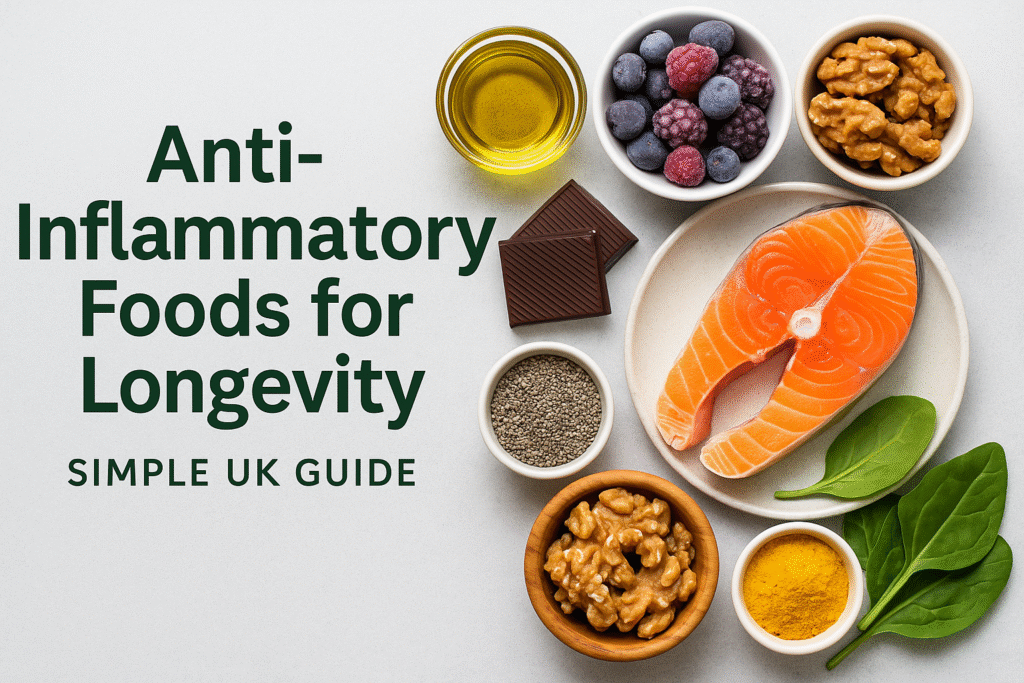
→ Internal link: Anti-Inflammatory Foods
4. Fibre and Blood Sugar Control
Fibre slows the digestion and absorption of carbohydrates.
As a result, meals higher in fibre lead to:
- smaller blood sugar spikes
- improved insulin sensitivity
- better energy stability
This is particularly important as glucose control tends to worsen with age.
→ Internal link: Blood Sugar and Longevity
5. How Much Fibre Do You Need?
In the UK, recommended fibre intake is around 30g per day for adults.
In reality, average intake is often closer to 18–20g.
Rather than counting grams obsessively, a simpler approach is to focus on food quality and variety.
6. Best Fibre Sources
Fibre is found almost exclusively in plant foods.
- vegetables (especially leafy greens, broccoli, carrots)
- legumes (lentils, chickpeas, beans)
- whole grains (oats, barley, brown rice)
- fruit (berries, apples, pears)
- nuts and seeds
Importantly, whole foods provide fibre alongside vitamins, minerals, and polyphenols.
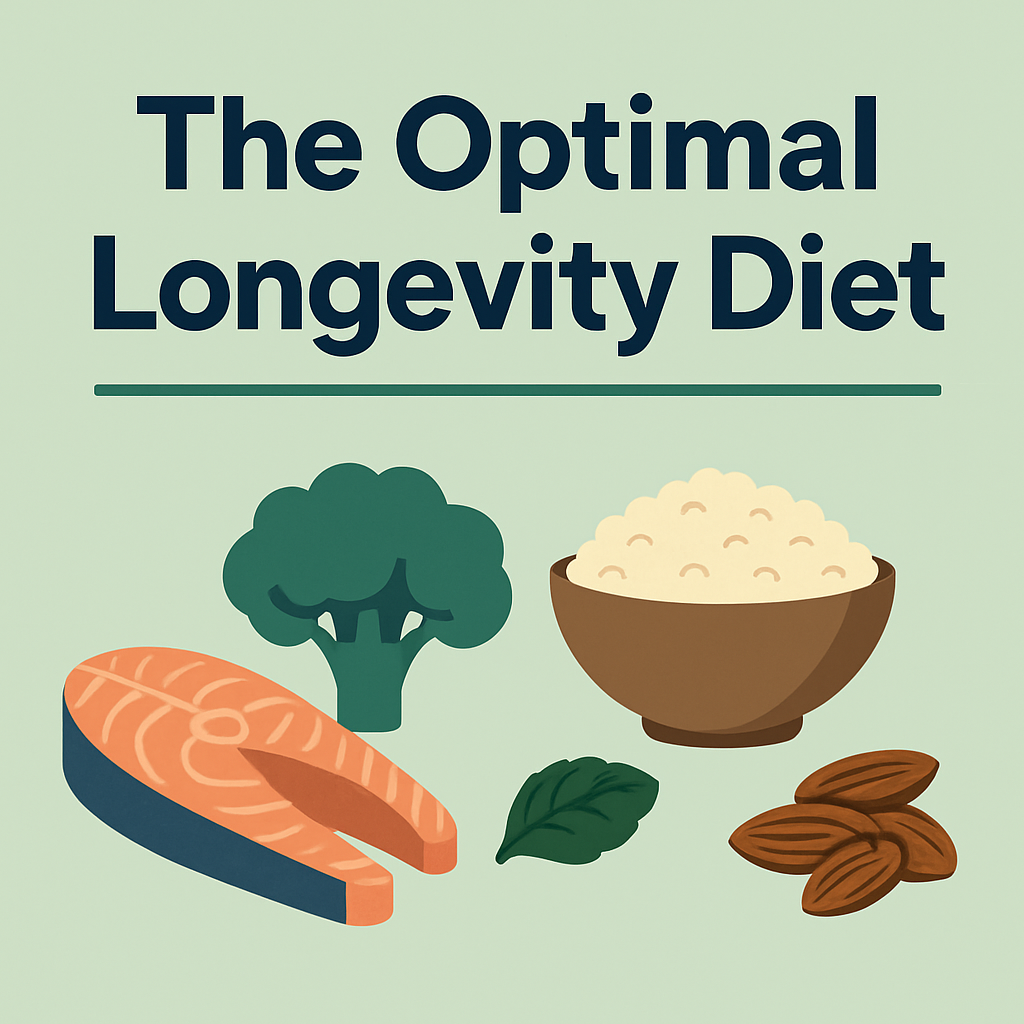
→ Internal link: Optimal Longevity Diet
7. How to Increase Fibre Safely
Increasing fibre too quickly can cause bloating or discomfort.
Instead:
- increase intake gradually over 1–2 weeks
- drink adequate fluids
- spread fibre intake across meals
- prioritise whole foods over supplements
Over time, your gut adapts and tolerance improves.
FAQ
Is fibre more important than protein for longevity?
Both matter. Protein supports muscle, while fibre supports metabolic and gut health. A longevity diet needs both.
Do fibre supplements work?
They can help, but whole foods provide broader benefits and should come first.
Can fibre reduce inflammation?
Yes. Through gut fermentation and blood sugar control, fibre helps lower chronic inflammation.
Final Takeaway
Fibre is one of the simplest, most evidence-backed tools for healthy ageing.
However, its benefits are subtle and cumulative, which is why it’s often overlooked.
Eat more plants. Add variety. Feed your gut consistently.
Longevity isn’t built on hacks — it’s built on fundamentals like fibre.
References
- NHS – Fibre and Digestive Health
- British Journal of Nutrition – Fibre and Mortality
- World Health Organization – Diet and Chronic Disease Prevention
Disclaimer: This content is for educational purposes only and does not constitute medical advice. Always consult a qualified healthcare professional before making major dietary changes.

Simon is the creator of Longevity Simplified, where he breaks down complex science into simple, practical habits anyone can follow. He focuses on evidence-based approaches to movement, sleep, stress and nutrition to help people improve their healthspan.