Blood Tests That Matter Before You Supplement
Supplements work best when they correct a real gap. Blood tests help you avoid guesswork, unnecessary stacking, and chasing symptoms instead of causes.
← Back to: Best Supplements for Longevity (UK Guide)
Disclaimer: This article is for educational purposes only and does not provide medical advice. Blood test interpretation should always be discussed with a qualified healthcare professional.
Supplements are often marketed as universally beneficial — but biology doesn’t work that way.
What helps one person may do nothing for another, and in some cases can even be counterproductive.
Blood tests don’t need to turn health into a medical obsession, but they can be a powerful way to avoid blind supplementation and focus on what actually matters.
This guide explains which blood tests are most useful before supplementing — and which ones are often unnecessary.
Personal observation: The biggest benefit of testing isn’t optimisation — it’s restraint. Knowing what’s normal stops you chasing supplements you don’t need.
1) The simple explanation
Blood tests help you identify real deficiencies, confirm adequacy, and avoid unnecessary supplementation.
You don’t need dozens of markers. A small number of well-chosen tests cover most supplement decisions.
Testing is most useful when symptoms persist, energy is low, or you’re considering long-term supplementation.
2) Why testing can help
Supplements are most effective when they correct a real gap.
Testing can:
- confirm whether a deficiency exists
- prevent unnecessary stacking
- explain persistent fatigue or low mood
- guide safer long-term use
This aligns with a targeted approach discussed in: Do You Need Supplements If You Eat Well?
3) Core blood tests that matter most
Vitamin D (25-OH vitamin D)
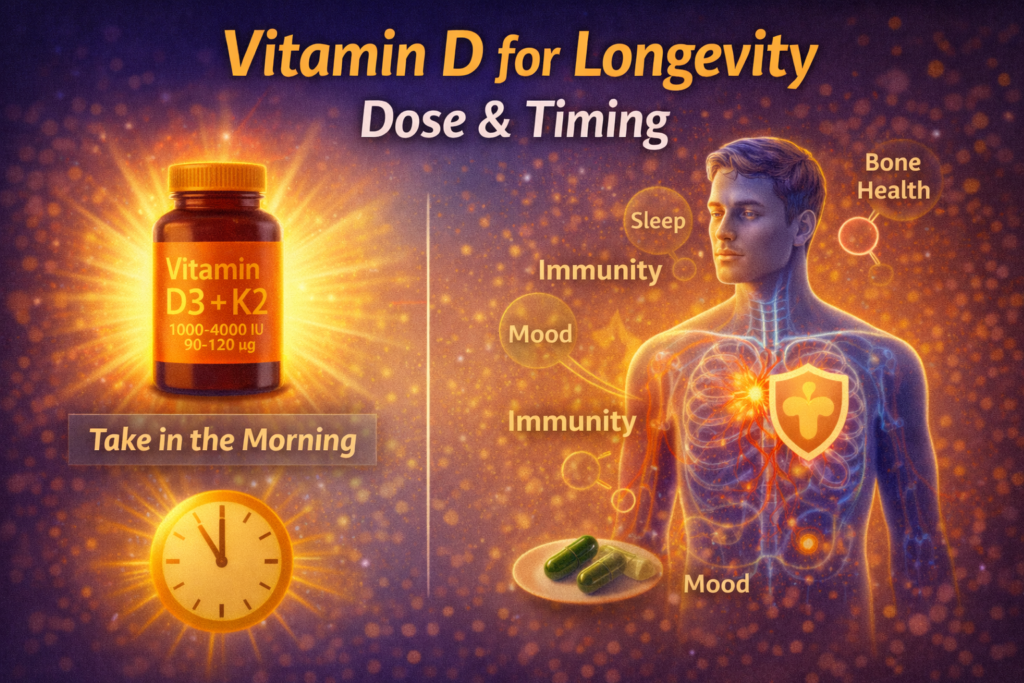
Vitamin D deficiency is common in the UK due to limited sunlight exposure.
Testing helps determine whether supplementation is necessary and avoids excessive dosing.
Related: Vitamin D for Longevity
Ferritin (iron stores)
Ferritin reflects iron storage, not just circulating iron.
Low ferritin is common in menstruating women and endurance athletes and can cause fatigue, brain fog and poor exercise tolerance.
Vitamin B12
B12 supports red blood cell production and nervous system health.
Low levels are more common in:
- vegetarians and vegans
- older adults
- people with digestive issues
Magnesium (context matters)
Serum magnesium is not perfect, but very low values are still informative.
Clinical symptoms and diet often matter more than the number alone.
Guide: Magnesium Types: Which Ones Do What
4) Tests that matter in specific cases
Thyroid markers (TSH, Free T4)
Useful when fatigue, weight changes or cold sensitivity persist despite good habits.
CRP (inflammation marker)
Helps identify chronic inflammation that may blunt recovery or energy.
Fasting glucose / HbA1c
Useful when energy crashes or metabolic issues are suspected.
Related: Blood Sugar & Longevity
5) Tests that are often overhyped
- extensive micronutrient panels without symptoms
- unvalidated “functional” hormone tests
- single-time cortisol saliva snapshots
- genetic supplement recommendations without context
More data doesn’t always mean better decisions.
6) How often to test
- baseline: once if symptoms or concerns exist
- after supplementation: 3–6 months
- ongoing: only if clinically relevant
Routine testing without purpose adds noise.
7) What to do if you can’t access tests
If testing isn’t available or affordable, use:
- diet assessment
- symptom tracking
- conservative dosing
- time-limited trials
Then reassess.
8) Common mistakes
- supplementing iron without ferritin testing
- megadosing vitamin D blindly
- treating lab numbers without symptoms
- testing everything “just in case”
FAQ
Do I need blood tests before all supplements?
No. Some low-risk supplements (e.g. magnesium, creatine) can be used conservatively without testing.
Are private tests worth it?
They can be useful when GP access is limited, but interpretation still matters.
Can supplements skew test results?
Yes. Stop non-essential supplements before testing if advised by a clinician.
Final takeaway
Blood tests help you supplement with intention instead of hope.
A few targeted markers beat guesswork — and often reduce the number of supplements you actually need.
— Simon
Longevity Simplified
References
- NHS — Blood tests overview: NHS Blood Tests
- Wallace TC. (2018). Combining nutrients from foods and supplements.

Simon is the creator of Longevity Simplified, where he breaks down complex science into simple, practical habits anyone can follow. He focuses on evidence-based approaches to movement, sleep, stress and nutrition to help people improve their healthspan.