Best Wearable Devices for Tracking Health and Longevity
Simple technology that helps you understand your body, improve your health, and quietly support a longer, healthier life.
Important: This article is for educational purposes only and is not medical advice. Wearable devices are consumer health tools, not diagnostic equipment. If you have a medical condition or concerns about your health data, speak with your GP or a qualified healthcare professional.
Why wearables matter for longevity
Wearable health devices are no longer just step counters or basic fitness watches. Modern wearables can track sleep quality, heart rate variability (HRV), stress patterns, body temperature trends, recovery, and sometimes early signals that you might be getting ill.
For anyone interested in longevity, that means something powerful: feedback from your own body. Instead of guessing how you are doing, you can see trends and adjust habits in a targeted way.
You do not need to be a scientist or an athlete to benefit. Most devices are designed for everyday use and can help you answer questions like:
- Am I sleeping well enough to recover and think clearly?
- Is my body under too much strain this week?
- Do certain foods, drinks, or late nights affect my heart rate and sleep?
- Is my body fighting something off before I feel symptoms?
Over time, these small insights can nudge you toward better sleep, steadier energy, and healthier habits. Those changes compound and support healthy ageing.
If you want the practical framework first, start here: Wearables & Recovery Tracking.
How I use wearables in real life
I didn’t start using wearables to optimise everything or chase perfect scores. I started because my sleep felt inconsistent and my energy dipped more than it should.
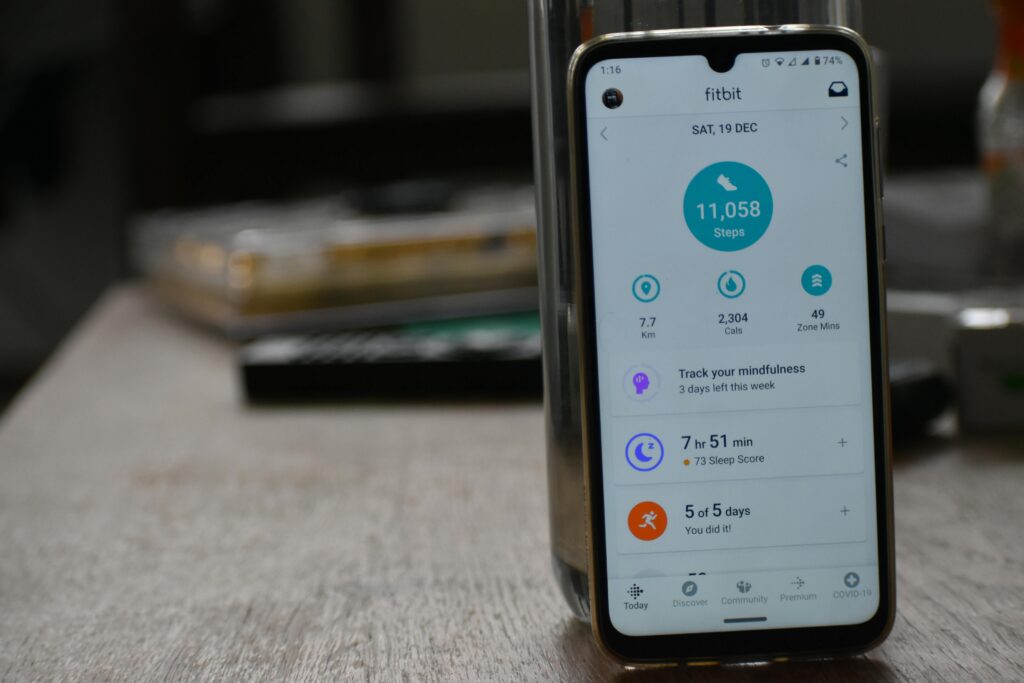
Tracking a few simple metrics — sleep duration, resting heart rate, and trends in HRV — helped me spot patterns quickly. Late meals, alcohol, and irregular bedtimes showed up clearly in poorer sleep and recovery the next day. Small adjustments made a noticeable difference.
What I’ve learned is this: wearables work best as feedback tools, not judges. I use them to guide decisions, not control them — and that mindset matters just as much as the data itself.
What wearables actually track
Most wearables use optical sensors and accelerometers. Raw signals are processed into metrics that are easier to understand and act on. Features vary by device, but these are the big ones.
- Heart rate: how fast your heart beats at rest and during activity.
- Heart rate variability (HRV): tiny differences between beats; higher (relative to baseline) often suggests better recovery.
- Sleep trends: duration, timing consistency, and estimates of sleep stages.
- Resting heart rate (RHR): a useful signal for cardiovascular fitness and overall strain.
- Body temperature trends: small changes can hint at coming illness, menstrual cycle shifts, or recovery status.
- Activity and movement: steps, training load, intensity, and sometimes VO₂ max estimates.
On their own, single data points are not magic. The value comes from seeing trends over weeks and months — how stress, sleep, nutrition, and training interact. That’s where wearables become useful for longevity, not just a gadget.
Consumer wearables are usually most helpful for tracking trends over time rather than precise medical measurements. For example, the NHS notes that resting heart rate trends can be a helpful indicator of overall cardiovascular strain.
Best wearable devices for health and longevity
There are many devices on the market. Below is a simple overview of popular options, what they do well, and who they tend to suit. The goal is not to pick the most expensive device — it’s the one you will actually use consistently.
1) Oura Ring
A lightweight ring that tracks sleep, HRV, resting heart rate, body temperature trends, and overall recovery. It’s designed to be worn day and night without feeling like a traditional watch.
- Best for: sleep tracking, recovery insights, and people who don’t want a watch in bed.
- Pros: detailed recovery data, long battery life, discreet and comfortable.
- Cons: no screen, subscription needed for full insights, higher upfront cost.
Where to buy: Oura Ring (Affiliate)
2) Fitbit (Charge, Versa, Sense)
Fitbit devices are approachable and easy to use. They track steps, heart rate, sleep, and basic activity with a friendly app — ideal for beginners.
- Best for: people starting their health journey who want simple tracking and motivation.
- Pros: relatively affordable, simple interface, decent sleep and step tracking.
- Cons: less detailed recovery metrics than premium devices; accuracy varies by model.
Where to buy: Fitbit Tracker (Affiliate)
3) Apple Watch
A smartwatch first and a health tracker second — but with strong fitness and safety features. It integrates tightly with iPhone and supports a wide range of health and workout apps.
- Best for: iPhone users who want one device for notifications, calls, and health tracking.
- Pros: ECG on supported models, fall detection, good workout tracking, large app ecosystem.
- Cons: battery usually lasts one to two days; sleep tracking is improving but less specialised than rings/straps.
Where to buy: Apple Watch (Affiliate)
4) Whoop Strap
A screenless strap focused on strain, recovery, and sleep rather than step counts. Many athletes use it to balance training load and rest.
- Best for: people who want detailed recovery and strain scores and don’t care about a watch screen.
- Pros: in-depth recovery metrics, continuous HRV and sleep tracking, encourages smarter training.
- Cons: subscription model; needs consistent wear for useful trends.
Where to buy: Whoop Strap (Affiliate)
5) Garmin (Venu, Forerunner, Fenix and others)
Popular with runners, cyclists, and outdoor enthusiasts. Garmin combines strong GPS accuracy with long battery life and detailed training data.
- Best for: active people and anyone who wants serious fitness and outdoor tracking.
- Pros: excellent GPS, long battery life, robust build quality, in-depth performance metrics.
- Cons: interface can feel complex; premium models can be expensive.
Where to buy: Garmin Watch (Affiliate)
If you want a broader view of tools that support long-term health, you can explore the Longevity resources and tools page.
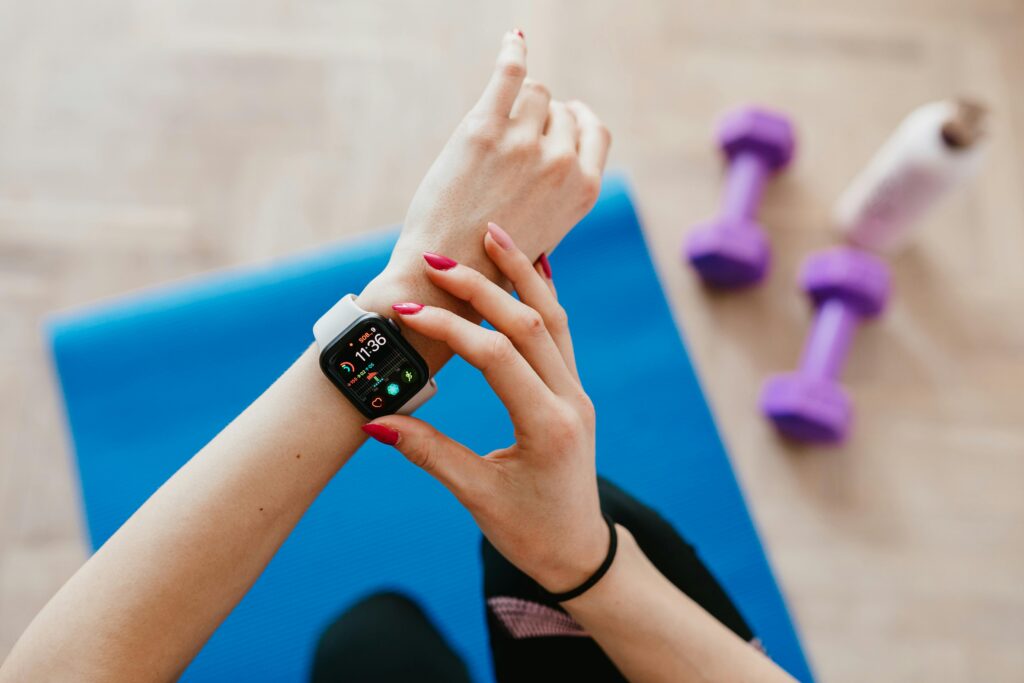
How wearables help with longevity
Wearables are most powerful when they help you change behaviour, not just collect numbers. Here are the most useful ways they support healthier ageing in real life.
Better sleep awareness
Wearables show how long you sleep, how often you wake, and how consistent your sleep timing is. Over time you may notice patterns such as:
- late caffeine or alcohol reducing sleep quality
- screens in bed delaying sleep onset
- earlier dinners improving overnight recovery
If sleep is your priority, start here: Sleep for Longevity.
Monitoring stress and recovery
HRV, resting heart rate, and recovery scores give a window into how your body is coping with life, training, and work. If trends suggest you’re under too much strain, the right move is usually more sleep, lighter days, and simpler routines.
Practical tools live here: Stress and Longevity.
Spotting habits that help (or harm)
Wearables connect how you live with how you feel. For example, you might notice that:
- recovery is better when bedtime is consistent
- late meals push resting heart rate up overnight
- short post-meal walks improve energy and sleep
Encouraging daily movement
Many devices nudge you to move after long periods of sitting and help reduce uninterrupted sedentary time. If you want longevity-focused movement ideas: Exercises for Longevity and Zone 2 Cardio Explained.
Helping catch early signs of illness
Some wearables track trends in temperature, resting heart rate, and breathing rate. Small shifts can appear before you feel unwell — giving you a chance to ease off early and prioritise recovery.
Used well, wearables aren’t about perfection. They’re quiet feedback tools that support better decisions before problems become bigger.
Which wearable is best for you?
There is no single best device for everyone. The right choice depends on your priorities, lifestyle, and budget. A few questions can help narrow it down.
-
Care most about sleep and recovery?
Consider Oura or Whoop for deeper HRV and recovery insights. -
Want something simple to start?
A Fitbit can be a friendly entry point. -
Want one device for everything?
An Apple Watch suits people who want calls, notifications, fitness, and health tools in one place. -
Run, cycle, or hike regularly?
Garmin is often the best fit for GPS and training tools.
All of these can support longevity by nudging better habits. The most important factor is this: choose something you’ll happily wear most days for the next year.
FAQ
Do I need a wearable to improve my longevity?
No. You can improve sleep, movement, stress, and nutrition without any technology. Wearables simply give extra feedback that can make patterns easier to spot. Think of them as helpful tools, not requirements.
How accurate are wearables?
Most consumer devices are useful for trends over time, but they are not perfect medical instruments. Focus on patterns rather than single-night precision.
Which metrics should I focus on first?
For most people: sleep consistency, resting heart rate, and daily movement. HRV and advanced metrics are useful once the basics are steady.
Is it safe to share my health data with wearable companies?
Each company has its own privacy policy and data practices. Read how your data is stored and controlled, and share only what you are comfortable with.
Next steps: use wearables as a quiet guide, not a judge
Wearables are most valuable when they support gentle course corrections rather than obsession. Let them nudge you toward better sleep, more movement, calmer days, and smarter training — while remembering that how you function matters more than any single score.
If you want to get the most from your device, focus on one area at a time (sleep, stress, steps, recovery), watch trends for a few weeks, and experiment with small changes.
For the foundational framework, read Wearables & Recovery Tracking and then return to the Environment & Lifestyle hub.
Written by Longevity Simplified — practical tools to help you live longer and better.
Affiliate Disclaimer: Some links in this article are affiliate links. If you click and purchase, we may earn a small commission at no extra cost to you. We only recommend products we believe offer good quality and value. This content is for information only and is not medical advice.
For the bigger picture, explore the Environment & Lifestyle Blueprint.

Simon is the creator of Longevity Simplified, where he breaks down complex science into simple, practical habits anyone can follow. He focuses on evidence-based approaches to movement, sleep, stress and nutrition to help people improve their healthspan.