Anxiety, Cortisol & Ageing: How Chronic Stress Quietly Speeds Up Biological Decline
Stress isn’t just a mental experience — when cortisol stays elevated, it accelerates ageing across the body.
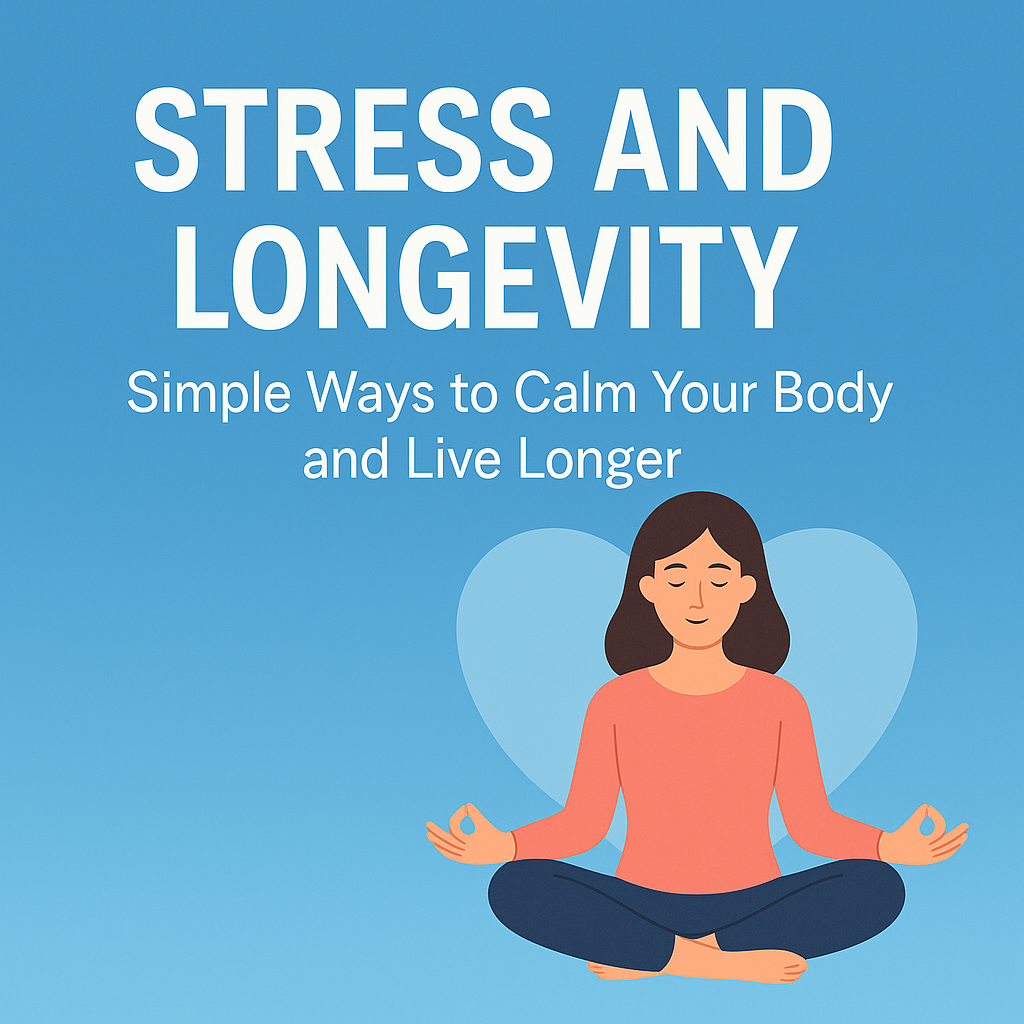
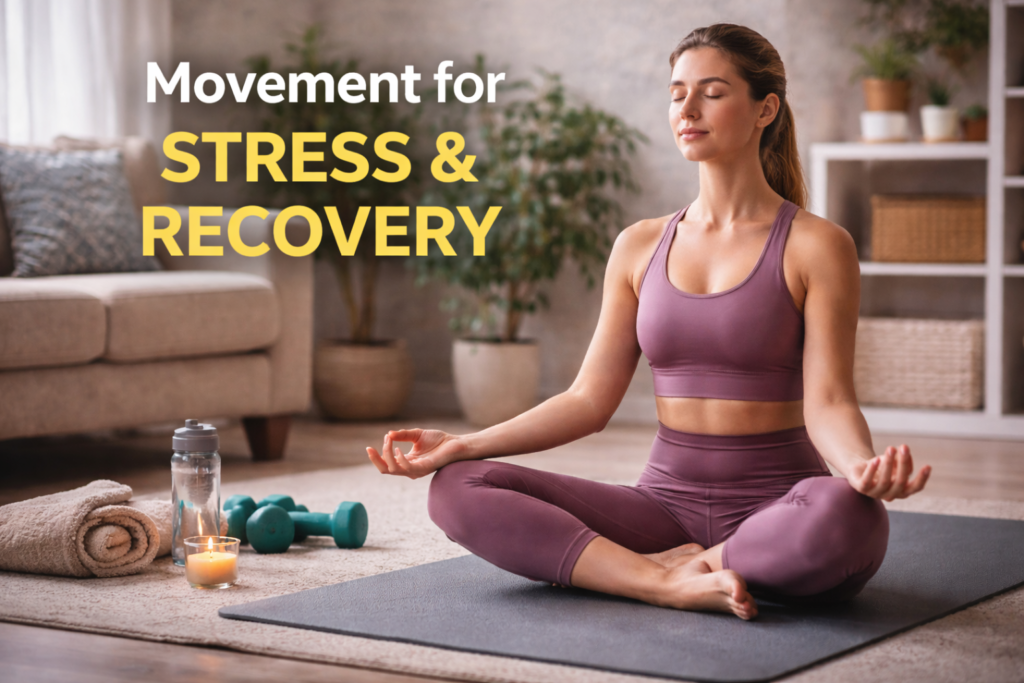
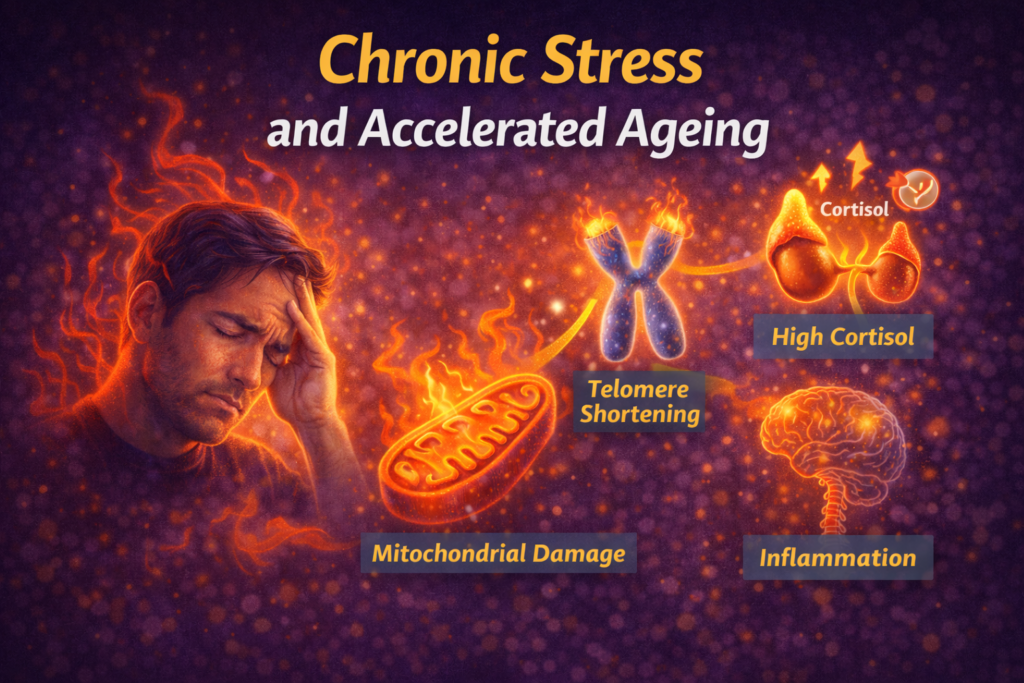
Stress & Longevity • Nervous System Ladder • Breathwork (Lower Cortisol Fast) • Reset Techniques • Chronic Stress & Accelerated Ageing • Anxiety, Cortisol & Ageing • Movement for Stress & Recovery • High vs Low Cortisol Training Days
Anxiety is often treated as a purely psychological issue.
However, chronic anxiety is also a physiological state — one that keeps stress hormones elevated long after any immediate threat has passed.
Cortisol, the body’s primary stress hormone, is essential in short bursts. But when cortisol remains chronically high or poorly regulated, it becomes a powerful accelerator of biological ageing.
This guide explains:
- how cortisol actually works in the body
- why chronic anxiety speeds up ageing
- how stress hormones affect sleep, muscle, and metabolism
- practical ways to lower cortisol without forcing calm
1) What Cortisol Does in the Body
Cortisol is released by the adrenal glands in response to stress.
In healthy patterns, cortisol:
- rises in the morning to promote alertness
- supports energy availability
- helps regulate inflammation
Crucially, cortisol is meant to fluctuate. Problems arise when it remains elevated throughout the day or spikes repeatedly without sufficient recovery.
2) Anxiety vs Acute Stress
Acute stress is short-lived and often adaptive.
Anxiety, by contrast, keeps the nervous system in a state of anticipation — preparing for threats that may never arrive.
This leads to:
- frequent cortisol release
- reduced parasympathetic recovery
- higher baseline inflammation
Over time, the body begins to age under constant hormonal pressure.
3) How Cortisol Accelerates Ageing
Chronically elevated cortisol affects nearly every ageing pathway.
It contributes to:
- muscle breakdown and reduced strength
- increased abdominal fat storage
- impaired immune resilience
- accelerated cognitive decline
Cortisol also antagonises insulin, worsening blood sugar regulation.
→ Internal link: Blood Sugar & Longevity
From a longevity perspective, unmanaged stress hormones quietly erode resilience year after year.
4) Cortisol, Sleep, and Recovery
Cortisol and sleep are tightly linked.
Healthy rhythms involve:
- higher cortisol in the morning
- lower cortisol in the evening
However, anxiety often inverts this rhythm, leading to:
- difficulty falling asleep
- early morning awakenings
- light, fragmented sleep
This creates a feedback loop where poor sleep further elevates cortisol.
→ Related: Sleep for Longevity • Caffeine Cut-Off Times
5) How to Lower Cortisol Safely
Lowering cortisol is not about forcing relaxation.
A longevity-focused approach includes:
- consistent sleep and wake times
- morning light exposure
- regular low-intensity movement
- clear boundaries around work and stimulation
Breathing practices with longer exhales can also shift the nervous system toward safety.
→ Try: Breathwork That Lowers Cortisol Fast
6) Common Stress Mistakes
- trying to eliminate stress entirely
- using stimulants to override fatigue
- ignoring early signs of burnout
- treating anxiety as purely mental
Instead, focus on restoring rhythm and recovery capacity.
FAQs
Is cortisol always bad?
No. Cortisol is essential — the problem is chronic elevation or poor timing.
Can exercise raise cortisol?
Yes, temporarily. When followed by recovery, this is beneficial.
Does reducing anxiety improve longevity?
Indirectly, yes — by improving sleep, metabolic health, and immune function.
Final Takeaway
Anxiety is not just an emotional burden — it is a biological signal.
However, when stress hormones remain elevated for years, ageing accelerates quietly.
Longevity depends on stress regulation, not stress elimination.
Disclaimer: This content is for educational purposes only and does not constitute medical advice.

Simon is the creator of Longevity Simplified, where he breaks down complex science into simple, practical habits anyone can follow. He focuses on evidence-based approaches to movement, sleep, stress and nutrition to help people improve their healthspan.