Anti-Inflammatory Foods for Longevity (Simple UK Guide)
Chronic inflammation accelerates ageing — but everyday foods can help lower it. This simple UK guide shows which foods calm inflammation, why they matter, and how to add them to your daily meals.
Note: This guide is educational, not medical advice. If you have a health condition or take medication, please speak with your GP.
Inflammation is part of your body’s natural defence system. Short-term inflammation helps you heal — but chronic, long-lasting inflammation can quietly accelerate ageing and increase the risk of heart disease, arthritis, diabetes and cognitive decline.
The good news: diet is one of the most powerful ways to reduce inflammation daily. This guide covers the foods with the strongest evidence behind them, why they matter, and how to easily add them into everyday UK-friendly meals.
How I Think About Inflammation in Everyday Life
When I first started learning about inflammation, I assumed it was something you’d only worry about if you had a diagnosed condition or obvious symptoms. What surprised me was how strongly everyday habits – poor sleep, stress, ultra-processed food – quietly pushed inflammation higher without anything feeling “wrong” in the moment.
Paying attention to sleep quality, daily movement and food choices made the effects much more obvious. When meals were built around whole foods – oily fish, vegetables, olive oil – my energy felt steadier, joint stiffness reduced, and recovery from exercise felt easier. When ultra-processed foods and late nights crept back in, the difference showed up quickly.
That’s why this guide focuses on simple, realistic foods rather than extremes. You don’t need a perfect diet for longevity – you need patterns that consistently reduce inflammation over time.
Table of Contents
Why Inflammation Matters for Longevity
Chronic inflammation is sometimes called “silent inflammation” — it builds slowly, often without symptoms, damaging cells and tissues over time. Researchers link chronic inflammation with:
- Faster biological ageing
- Heart disease and high blood pressure
- Type 2 diabetes and insulin resistance
- Arthritis and joint pain
- Memory decline and neurological ageing
Reducing inflammation through diet is one of the simplest, most reliable ways to support long-term health and extend your healthspan.
What Is Inflammation? (Explained Simply)
Inflammation is your body’s built-in defence system. When you get a cut, fight an infection or recover from exercise, your immune system sends signals to repair damage and protect you. This short-term response is called acute inflammation — and it is essential for healing.
Problems begin when this response stays switched on for too long. Chronic inflammation happens when the immune system remains slightly activated for weeks, months or even years. Instead of helping, it slowly increases stress on tissues, blood vessels and organs.
Why this matters for longevity: Chronic inflammation is linked with processes that accelerate ageing — including oxidative stress, reduced cellular repair, and insulin resistance. Over time, this increases the risk of heart disease, cognitive decline, arthritis, and metabolic conditions. Because of this, lowering background inflammation is one of the simplest ways to support long-term healthspan.
The good news: everyday food choices play a major role. Anti-inflammatory foods provide antioxidants, healthy fats, fibre and plant compounds that help calm the immune system and support healthier ageing.
Best Anti-Inflammatory Foods
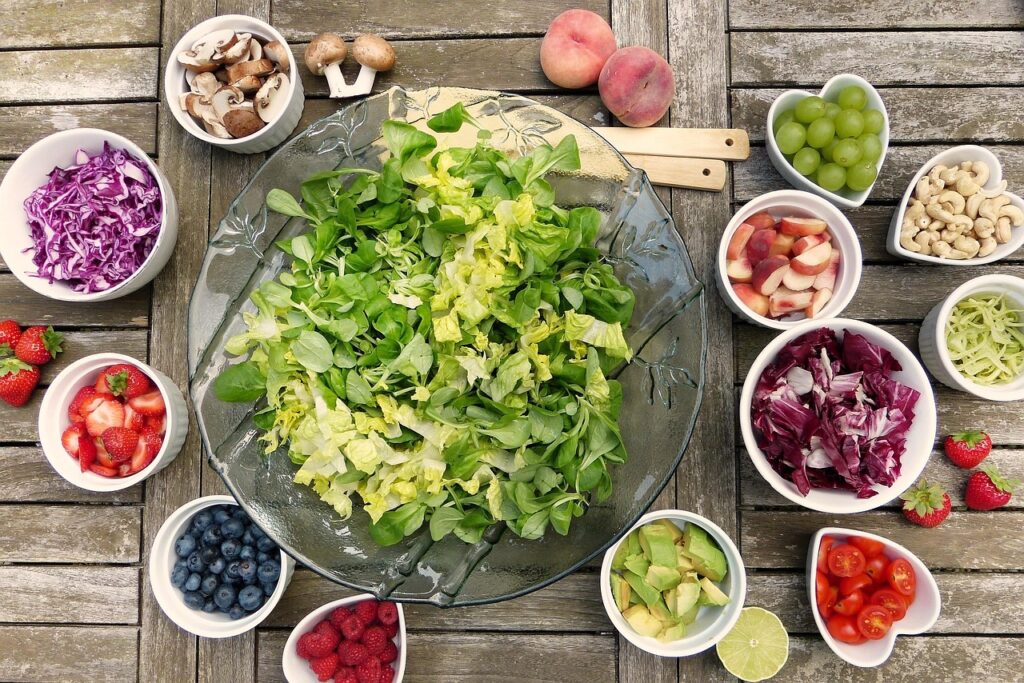
These foods are well-studied, easy to include in a UK diet, and support healthy ageing through reduced inflammation, improved metabolic health and better immune function. Each one offers a different mechanism of action, so including several is more effective than relying on just one.
1) Oily Fish (Salmon, Mackerel, Sardines)
Why it matters: Oily fish is the richest dietary source of the omega-3 fatty acids EPA and DHA. These lower inflammation by reducing the production of inflammatory molecules (cytokines) and supporting the cell membranes of the heart and brain.
Science highlight: Multiple large studies show higher omega-3 intake is linked with lower inflammation markers such as CRP (C-reactive protein) and reduced cardiovascular risk.
How to use: Aim for 2–3 servings per week. Tinned sardines and mackerel are affordable, shelf-stable and provide the same benefits as fresh fish.
Supplement option:
High-Strength Omega-3 (Affiliate)
2) Extra Virgin Olive Oil
Why it matters: Extra virgin olive oil contains powerful antioxidants called polyphenols (especially oleocanthal) which reduce oxidative stress and inflammation. Oleocanthal has been shown to act similarly to ibuprofen in its anti-inflammatory effect — but through food, not medication.
Science highlight: Olive oil is a core part of the Mediterranean diet, which consistently shows reductions in cardiovascular disease, inflammation markers and biological ageing.
How to use: Use as your daily “default” oil for salads, vegetables and low–medium heat cooking.
Extra Virgin Olive Oil (Affiliate)
3) Leafy Greens (Spinach, Kale, Rocket)
Why it matters: Leafy greens provide vitamins A, C, K, folate and minerals such as magnesium. They also contain phytonutrients that help the body neutralise inflammation and support detoxification processes.
Science highlight: Diets rich in leafy greens are linked with lower inflammation and slower cognitive decline, likely due to their antioxidant load and gut-friendly fibre.
How to use: Add to omelettes, blend into smoothies, mix into soups or simply use as a daily base for salads.
4) Berries (Blueberries, Raspberries, Blackberries)
Why it matters: Berries are rich in anthocyanins, potent antioxidants that help protect cells from inflammatory damage. They also support blood vessel health and metabolic stability.
Science highlight: Studies show regular berry intake improves inflammatory markers and may improve cognitive function through reduced oxidative stress in the brain.
How to use: Add to porridge, yoghurt, smoothies or eat from frozen for an affordable option.
5) Nuts & Seeds (Walnuts, Chia Seeds, Flaxseed)
Why it matters: Nuts and seeds provide healthy fats, fibre and minerals that support heart health and stable blood sugar — key factors in lowering inflammation.
Science highlight: Walnuts contain plant-based omega-3 (ALA), which supports lower inflammatory markers, while chia and flaxseed contribute to gut health, which is strongly linked to systemic inflammation.
How to use: Sprinkle on breakfast bowls, salads, yoghurt or blend into smoothies.
Chia Seeds (Affiliate) | Flaxseed (Affiliate)
6) Turmeric & Ginger
Why it matters: Turmeric contains curcumin, one of the most studied anti-inflammatory compounds in food. Ginger also reduces inflammatory pathways and supports digestion.
Science highlight: Curcumin has been shown to reduce inflammatory markers (such as TNF-alpha and IL-6) in clinical studies. Absorption improves significantly when paired with black pepper (piperine).
How to use: Use in curries, soups, teas or smoothies. Supplements offer higher, more consistent doses.
Turmeric/Curcumin Supplement (Affiliate)
7) Green Tea
Why it matters: Green tea contains EGCG, a catechin with strong anti-inflammatory and antioxidant effects. EGCG helps reduce oxidative stress, supports metabolic health and may protect brain cells.
Science highlight: Research shows EGCG can reduce inflammatory signalling pathways and may support cardiovascular and cognitive health through improved blood vessel function.
How to use: Replace one coffee or sugary drink with green tea, matcha, or jasmine green tea.
Foods to Reduce or Avoid (They Increase Inflammation)
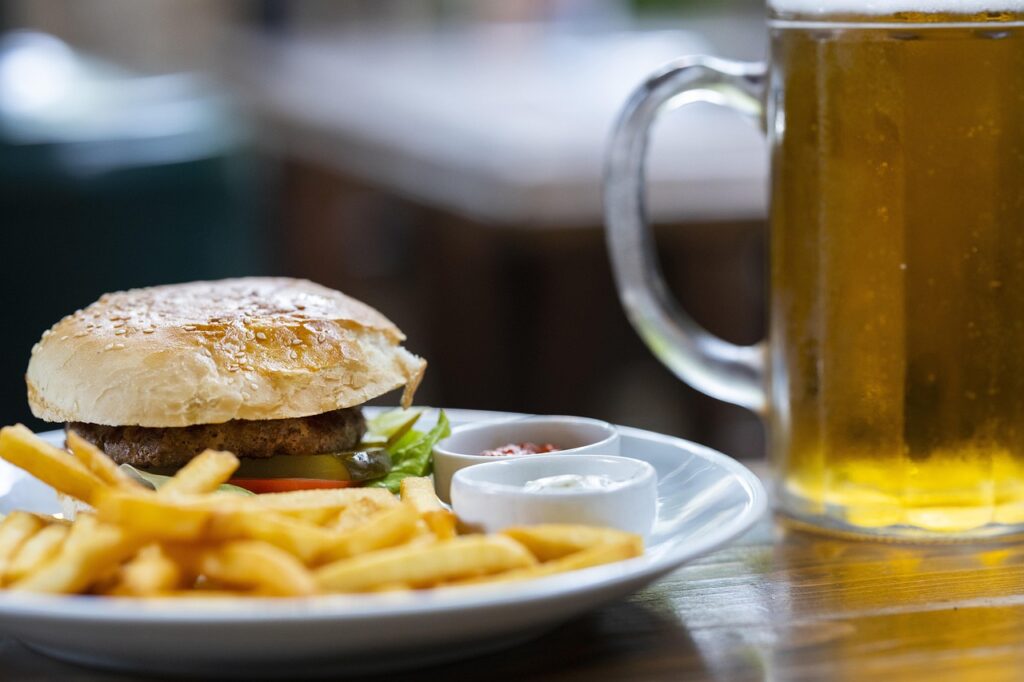
You don’t need a perfect diet to lower inflammation. What matters most is what you eat most of the time. The foods below are linked with higher inflammation, blood sugar spikes or metabolic stress — all of which can accelerate ageing if eaten daily. Reducing them (not eliminating them) is enough to make a noticeable difference.
1) Sugary Drinks
Regular consumption of fizzy drinks, energy drinks, sweetened coffees and fruit juices leads to rapid blood sugar spikes. Over time, this increases inflammation and insulin resistance.
Why it matters: High sugar intake raises inflammatory markers such as CRP and contributes to weight gain around the organs (visceral fat), which is highly inflammatory.
Better choices: Sparkling water with lemon, unsweetened tea, or diluted fruit juice.
2) Processed Meats (Sausages, Bacon, Ham, Pepperoni)
Processed meats contain preservatives such as nitrates and nitrites, which can increase oxidative stress and inflammation when eaten frequently.
Why it matters: Studies consistently link processed meats with higher inflammation, heart risk and gut microbiome imbalance — all of which accelerate ageing.
Better choices: Fresh chicken, fish, turkey, eggs, tinned tuna/salmon or lentils.
3) Refined Carbohydrates (White Bread, Pastries, Sweets)
Refined carbs digest quickly, causing sharp blood sugar rises followed by crashes. Frequent spikes contribute to chronic inflammation and metabolic stress.
Why it matters: Diets high in refined carbs are linked with higher levels of inflammatory markers and increased risk of type 2 diabetes.
Better choices: Whole grain bread, oats, brown rice, wholemeal wraps or quinoa.
4) Excess Alcohol
While occasional alcohol is fine for many people, frequent or heavy drinking irritates the gut, disrupts sleep and increases inflammation in the liver and bloodstream.
Why it matters: Alcohol breakdown creates compounds that trigger oxidative stress and can weaken the immune system.
Better choices: Alcohol-free alternatives, sparkling water with lime, or limiting alcohol to weekends.
5) Industrial Seed Oils in Processed/Fried Foods
Seed oils like sunflower, soybean and generic “vegetable oil” become problematic mainly when used for deep frying or found in ultra-processed foods.
Why it matters: When overheated, these oils create oxidised fats that increase inflammation and can stress the cardiovascular system.
Better choices: Cook with olive oil, avocado oil or butter; choose baked or air-fried foods when possible.
Key takeaway: You don’t need to eliminate these foods completely. Simply eating them less often — and replacing them with whole, nutrient-rich alternatives — can significantly lower inflammation and support healthy ageing.
Simple One-Day Anti-Inflammatory Meal Plan (Example)
This sample day shows how anti-inflammatory foods can fit naturally into everyday meals. Each option supports lower inflammation through fibre, antioxidants, healthy fats and stable blood sugar. Vegetarian and vegan alternatives are provided where helpful.
Breakfast
Option: Greek yoghurt or oats topped with berries, chia seeds and a drizzle of honey.
Why it helps: Berries provide polyphenols that protect cells from oxidative stress, while chia seeds offer plant-based omega-3 (ALA) that supports inflammation control.
Veg / Vegan Alternative: Use soy or coconut yoghurt, or oats with plant milk + nuts or seeds for healthy fats.
Lunch
Option: Salmon or tuna salad with spinach, cherry tomatoes, extra virgin olive oil and lemon.
Why it helps: Oily fish provides EPA & DHA — two omega-3 fats strongly linked with lower inflammation and heart health. Leafy greens add antioxidants that reduce cellular stress.
Veg / Vegan Alternative: Swap fish for lentils, chickpeas or tofu + walnuts for a plant-based source of omega-3.
Snack
Option: A handful of walnuts or almonds + a cup of green tea.
Why it helps: Nuts supply anti-inflammatory fats and minerals. Green tea contains EGCG, a powerful antioxidant linked to reduced inflammation and improved brain health.
Veg / Vegan Alternative: Same as above — fully plant-based.
Dinner
Option: Stir-fried vegetables with turmeric and ginger + brown rice or quinoa.
Why it helps: Turmeric contains curcumin, shown in research to reduce inflammatory signalling. Colourful vegetables provide vitamins and polyphenols that support long-term cellular health.
Veg / Vegan Alternative: Naturally vegan — add tofu, tempeh or beans to increase protein.
FAQs
Do anti-inflammatory foods really help with longevity?
Yes. Chronic low-grade inflammation is linked with faster biological ageing and a higher risk of heart disease, metabolic issues and cognitive decline. Eating more whole, anti-inflammatory foods provides antioxidants, healthy fats and polyphenols that help calm the immune system and support healthier ageing over time.
Can I follow an anti-inflammatory diet on a budget?
Absolutely. Some of the most effective anti-inflammatory foods — such as tinned oily fish, frozen berries, olive oil, lentils, oats and leafy greens — are inexpensive and widely available in UK supermarkets. You don’t need special “superfoods” to get results.
How quickly will I notice a difference?
Many people notice better digestion or more stable energy within a few weeks. However, the biggest benefits — such as reduced inflammation markers, better heart health and improved metabolic function — build gradually over months. Longevity changes work quietly in the background.
Is turmeric enough to reduce inflammation on its own?
Turmeric and curcumin can help, especially when consumed with black pepper for better absorption. Even so, no single food or supplement can control inflammation alone. It works best as part of a broader pattern of whole foods, healthy fats and reduced processed foods.
Is coffee inflammatory?
Surprisingly, most research suggests coffee is neutral or mildly anti-inflammatory, thanks to its antioxidants. Problems arise when it’s combined with excess sugar, syrups or consumed late in the day, which affects sleep and indirectly increases inflammation.
Are cooking oils like vegetable or sunflower oil inflammatory?
These oils are high in omega-6 fats. While omega-6 is not harmful on its own, eating too much of it — especially from deep-fried or ultra-processed foods — can contribute to an imbalanced inflammatory response. Swapping to extra virgin olive oil for everyday use is a simple improvement.
Conclusion
You don’t need a perfect diet — just start by adding more of these foods and reducing heavily processed ones. Over time, these small changes compound into lower inflammation, better energy and healthier ageing.
Next step: Get our free Longevity Starter Guide with simple daily habits.
Get the Free Longevity Starter Guide →
References
Written by Longevity Simplified — turning complex health science into practical daily habits.
Affiliate Disclaimer: This guide contains affiliate links. If you click and purchase, we may earn a small commission at no extra cost to you. We only recommend products we genuinely believe offer value.

Simon is the creator of Longevity Simplified, where he breaks down complex science into simple, practical habits anyone can follow. He focuses on evidence-based approaches to movement, sleep, stress and nutrition to help people improve their healthspan.